
I felt it immediately coming over the rise above the Río Serrano Entrance.
This was different.
More beautiful than expected—dramatically so. After six months in the Andes, living among mountains, we’re not easily surprised by big landscapes anymore. But this… this landed somewhere deeper. I feel it in my chest, it actually took my breath away.
March 2-4. Below us, the plains stretched wide and open, the Río Serrano snaking its way out from the mountains in the distance. We stopped on the hill and just stood there, taking it in, before finally rolling down toward the gate and into Torres del Paine National Park.
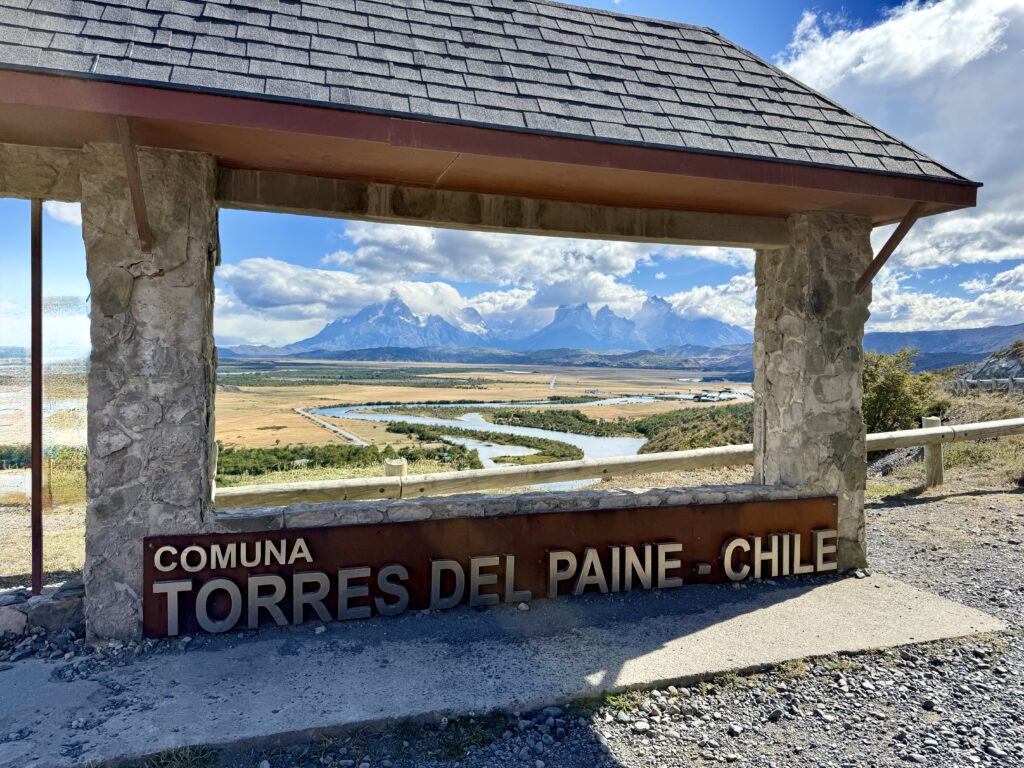
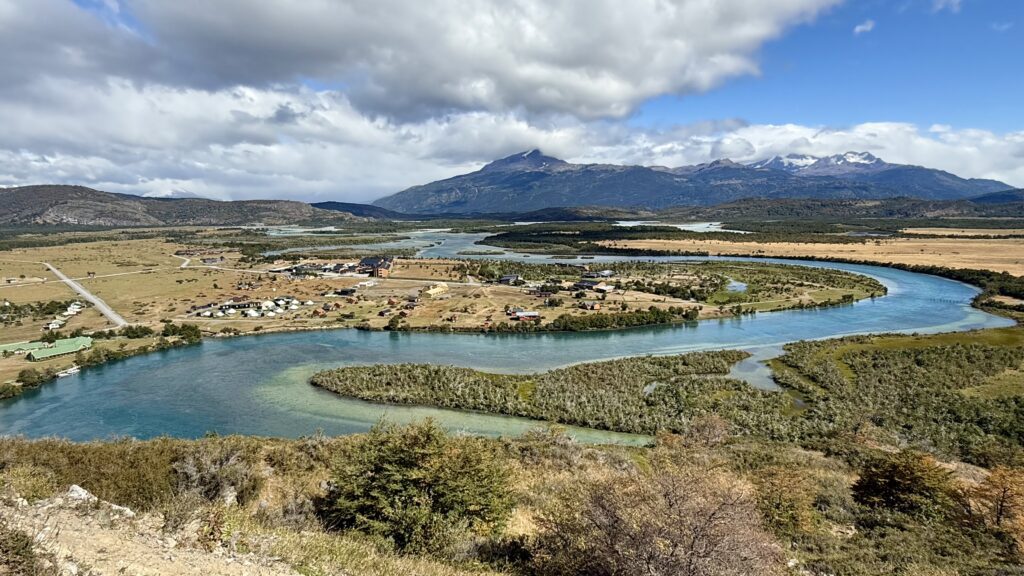
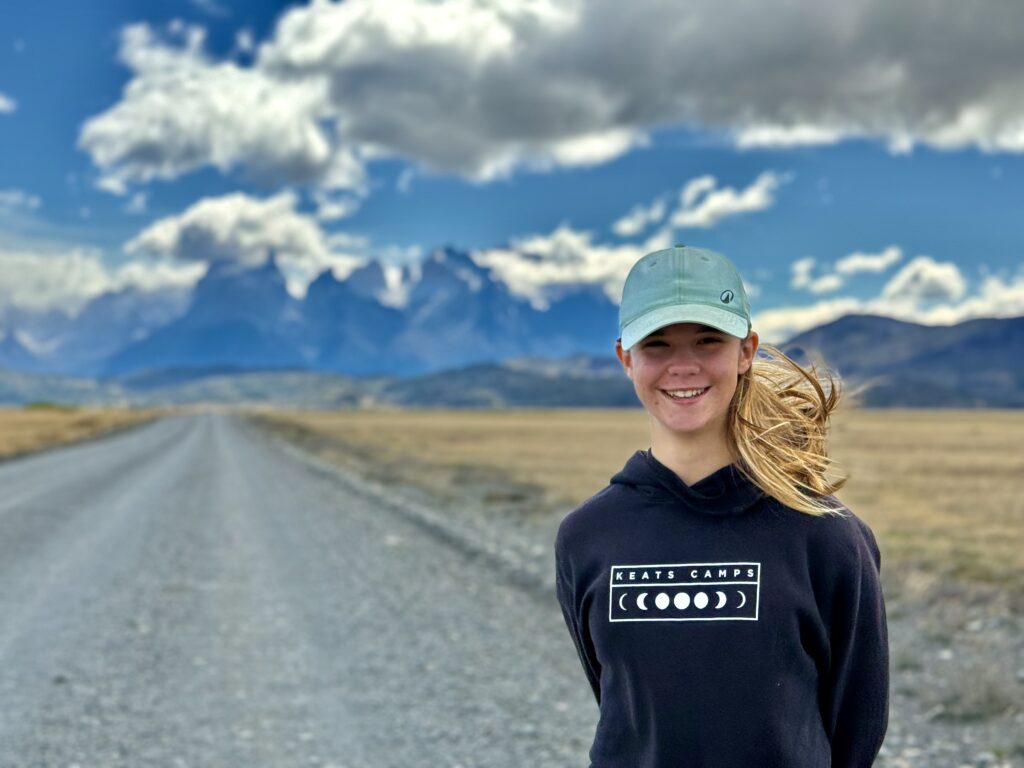
We’ve watched the forecast carefully, and come in a few days early, hoping to squeeze in a couple of warm-up hikes before setting out for a week on the 5th. Partly to ease into things, mostly to break in Jaxon’s new boots.
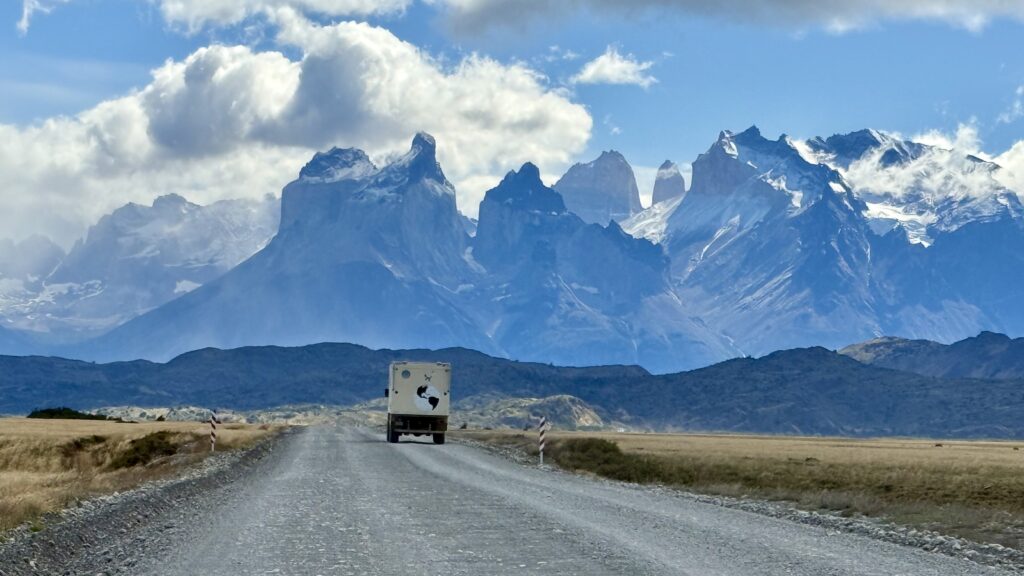
Driving through the more remote, and much less used Río Serrano entrance. Down the long dusty road with the mountains straight ahead, we felt that familiar surge of excitement to explore.
The massif’s commanding presence made it immediately clear why this is Torres del Paine National Park. The scale, the fragility, the sheer beauty. A landscape that demands to be preserved and shared. One of the last great places on our ‘must visit’ list.
GEOLOGICALLY
The jagged granite towers are the exposed roots of an ancient magma intrusion—once buried deep underground, now revealed after millions of years of uplift, erosion, and glaciation. Ice carved the valleys, sharpened the peaks, and left behind the dramatic mix of rock, water, and space that defines the park today.
The landscape feels almost unreal, with lakes shifting through different shades of blue and green. Established in 1959, the park protects a fragile ecosystem shaped by extremes—ferocious weather, shifting ice, and vast, open space.
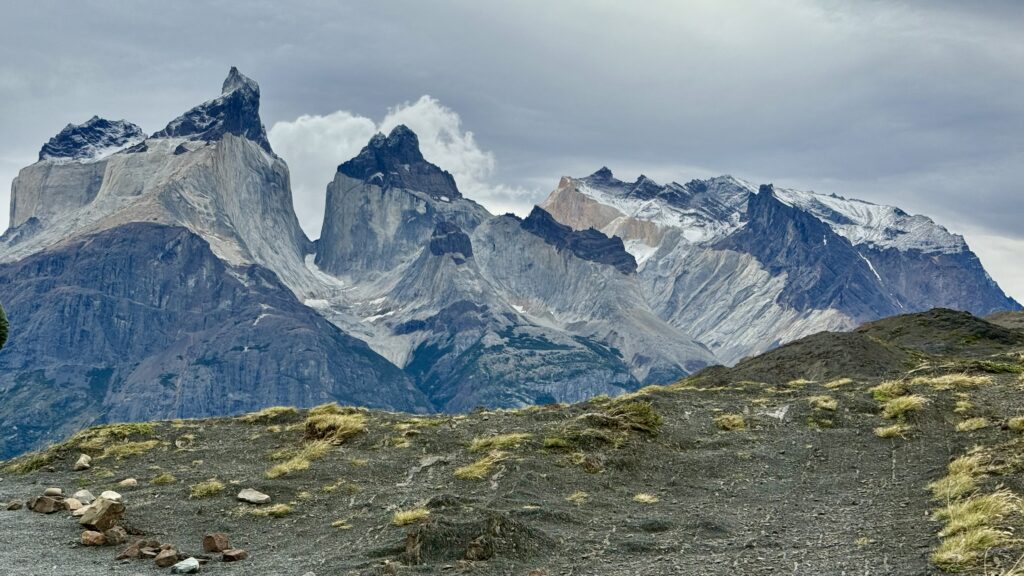
MIRADOR CUERNOS
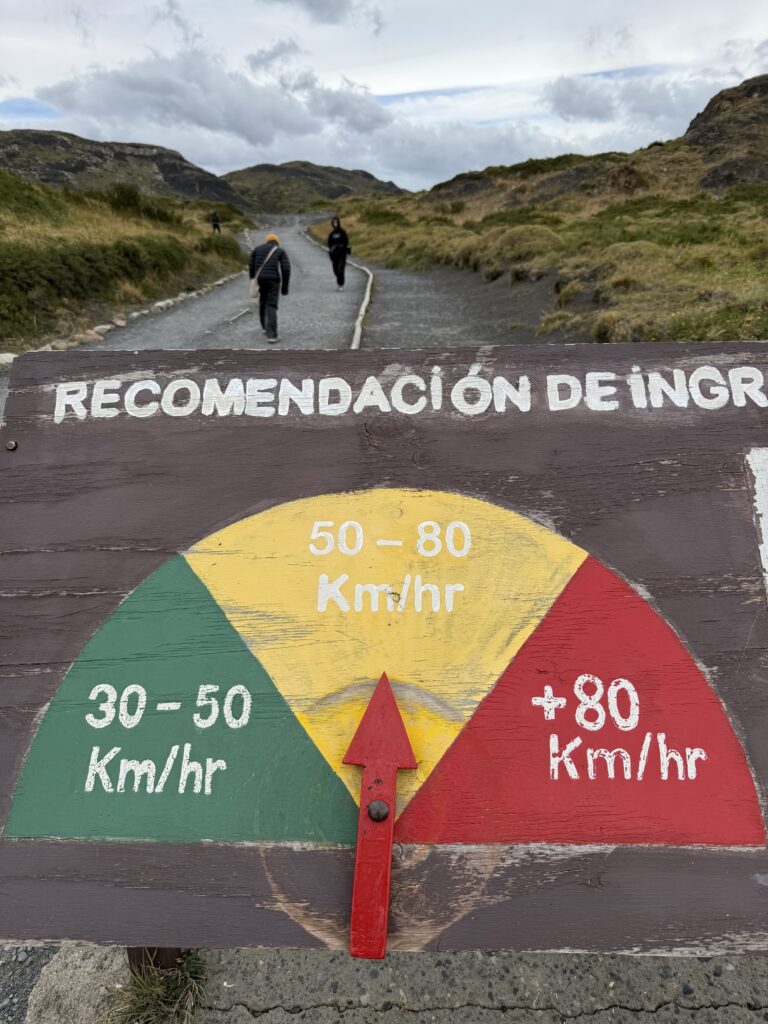
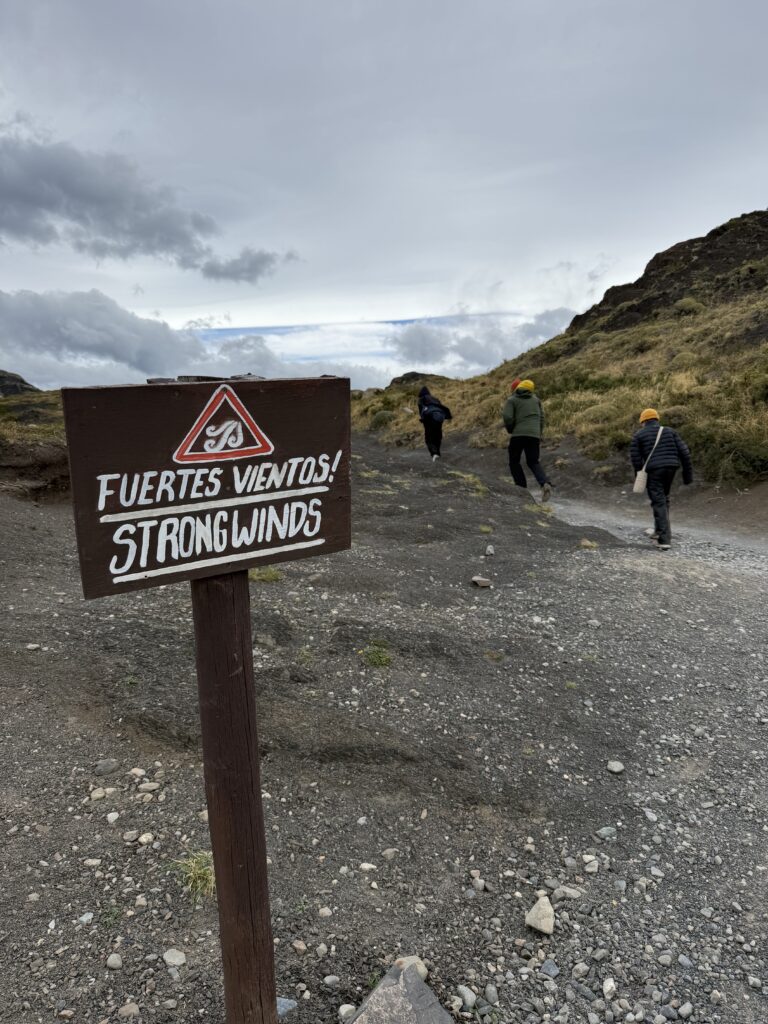
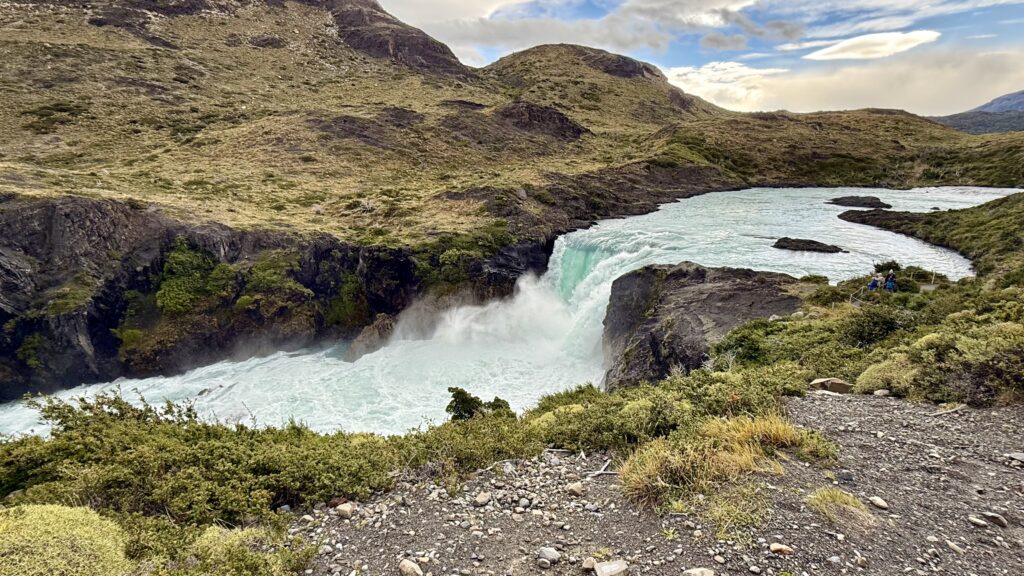
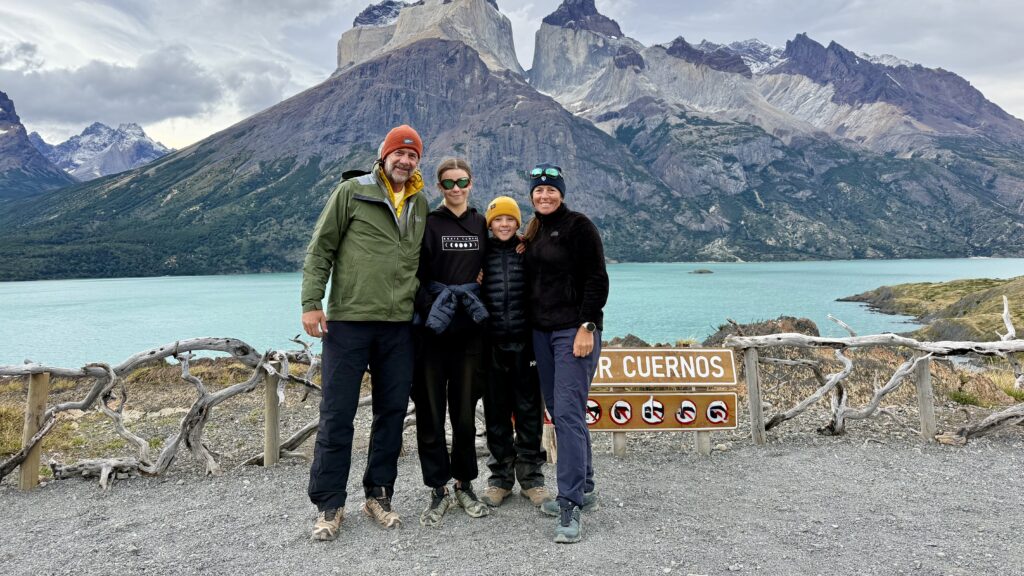
The first hike was less of a walk and more of a battle with the wind. Patagonia throws everything at you from right here. Walking at an angle as the gusts hit head-on. First view was to the falls, where a staggering amount of water flows every second, then pushed just a couple of km out toward Cuernos lookout and a set. That night we did camp inside the park, in the parking lot of a ranger station. Nothing fancy, but it did have a great sunset view.
MIRADOR FERRIER HIKE
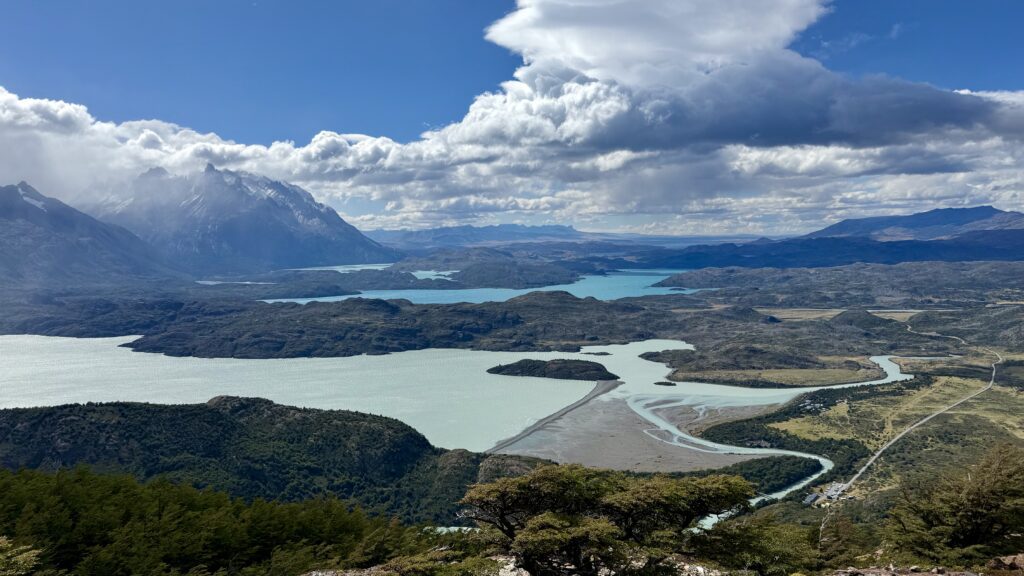
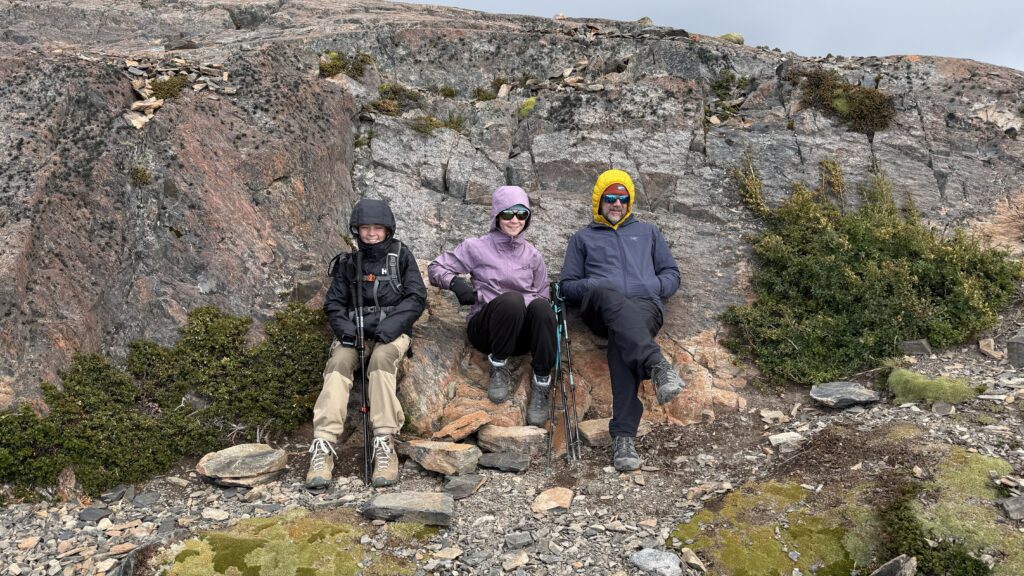
The second was Mirador Ferrier—short, but brutal. Just 3 km, climbing nearly 1,000 metres straight up. No warm-up. The trail launches straight into the ascent through forest, roots underfoot, lungs working hard.
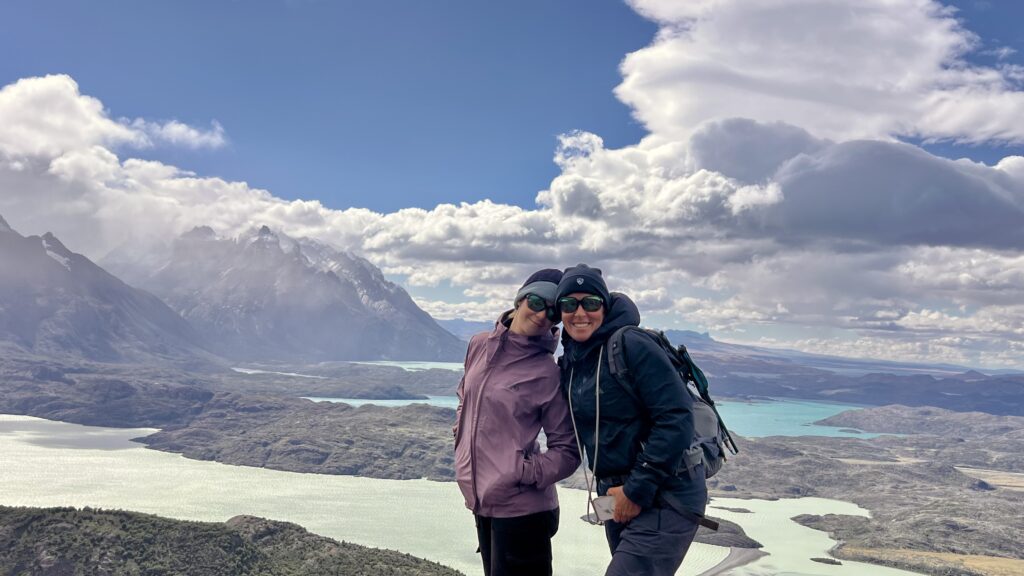
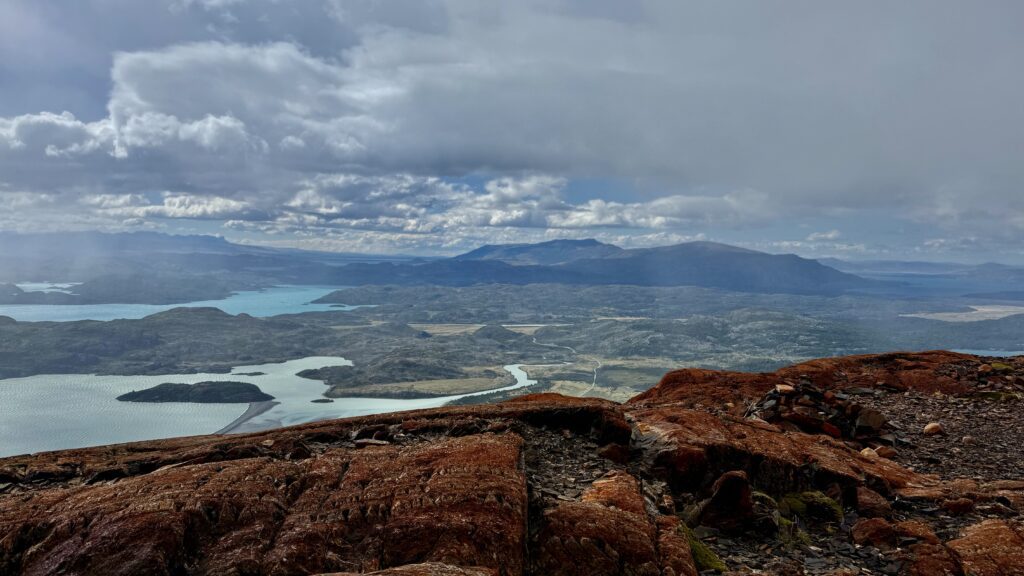
Higher up, the trees thinned and the wind came back with force. At the top, it felt like it could lift us clean off the ridge. Rain lashed sideways, sending us scrambling back into the shelter of the trees to wait it out.
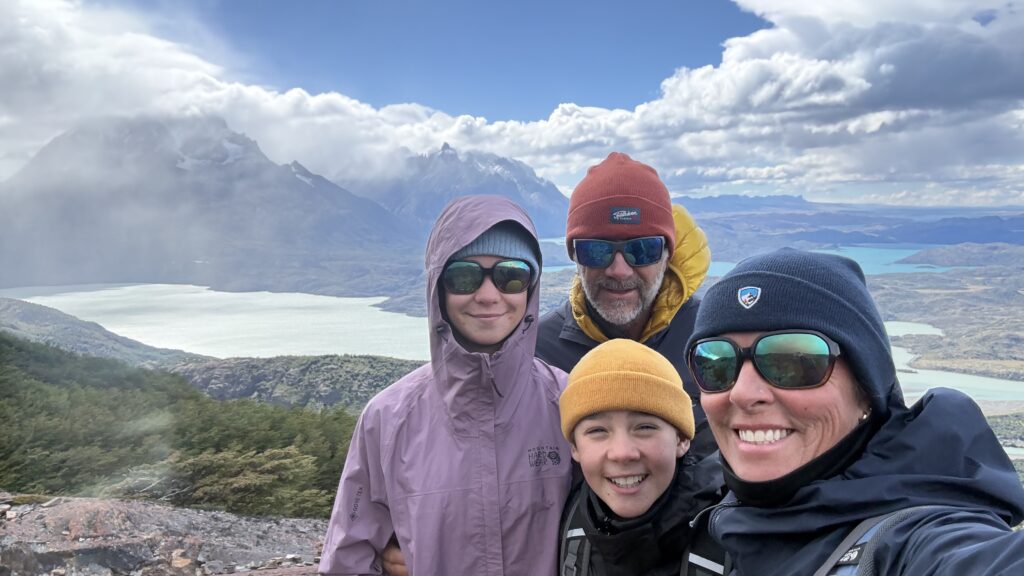
But when it passed… the reward.
A sweeping view of lakes, glaciers, and jagged peaks—our route for the coming week laid out, right there in front of us.
LAGO SARIMENTO
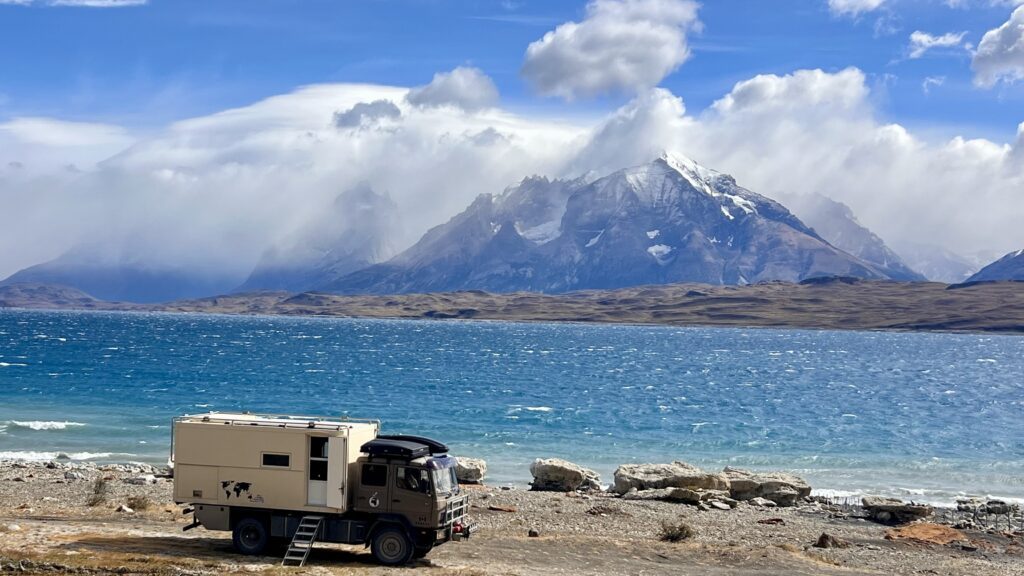
With no options for camping inside the park that night, we drove out and set up along the shores of Lago Sarmiento.
But first, we blasted back to Puerto Natales for some diff oil. Bruce had been leaking for a while, and with no way of knowing where the level sat, it felt smarter to play it safe and top it up. We made it back before dark, parking up along the lakeshore.
The wind never stopped. Parked facing into it, the truck rocked steadily while we made dinner, packed, and prepped for the hike up to the Torres the next day. I was relieved to hear Jaxon’s new boots were comfortable—no blisters, no complaints.
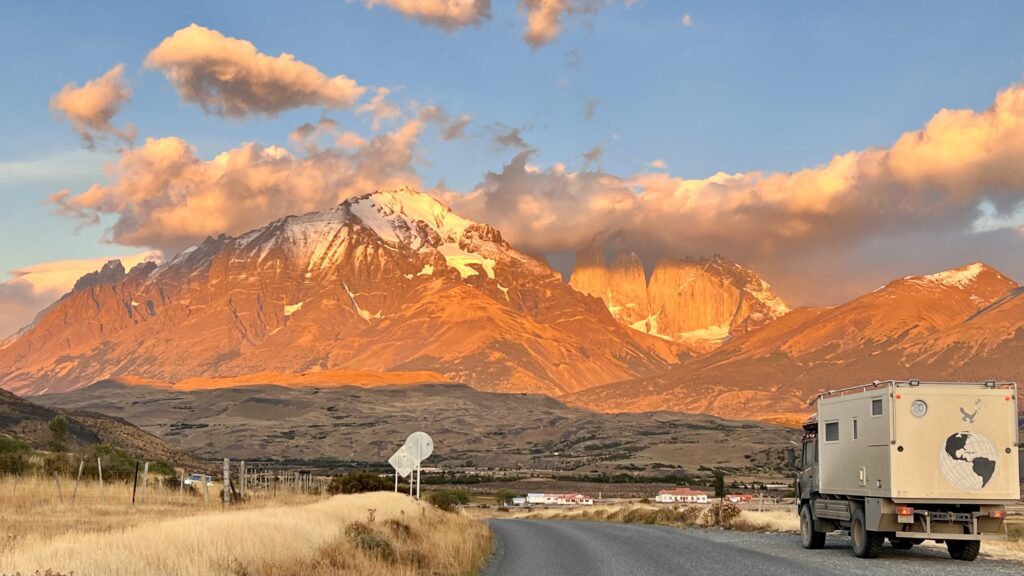
We were up and driving before dawn. Stopping at a lookout for ten minutes, we watched the Torres glow pink in the early morning light. Plenty of people hike up in the dark to catch the sunrise on the rock—but we had front-row seats from the warmth of the truck, and still got the full show.
TOMORROW
We hike the most popular trail in the park and likely in all South America… the famed Torres Hike.
One Response
Beautiful, Sarah 😊