
29 May – 12 June
LOBITOS
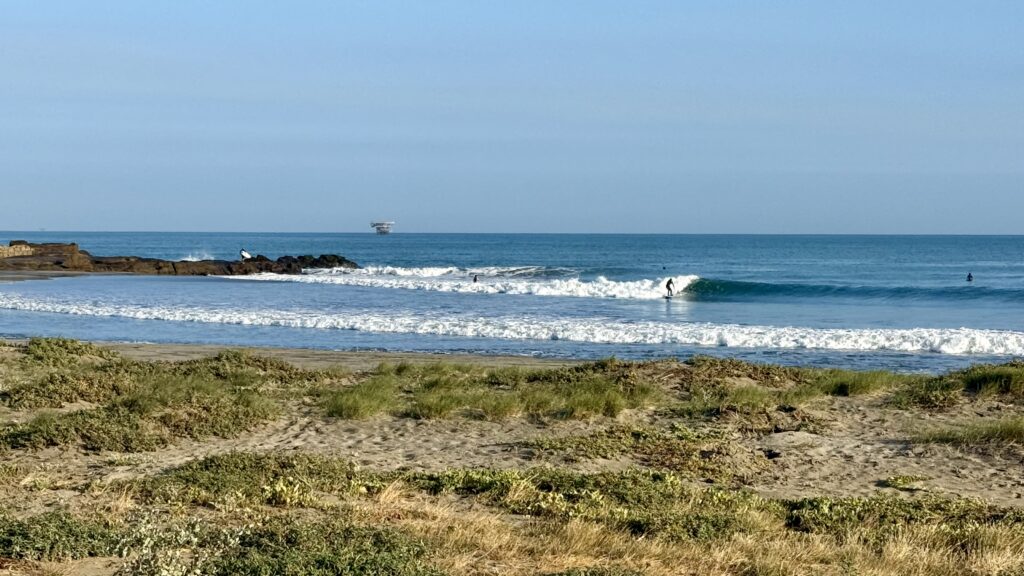
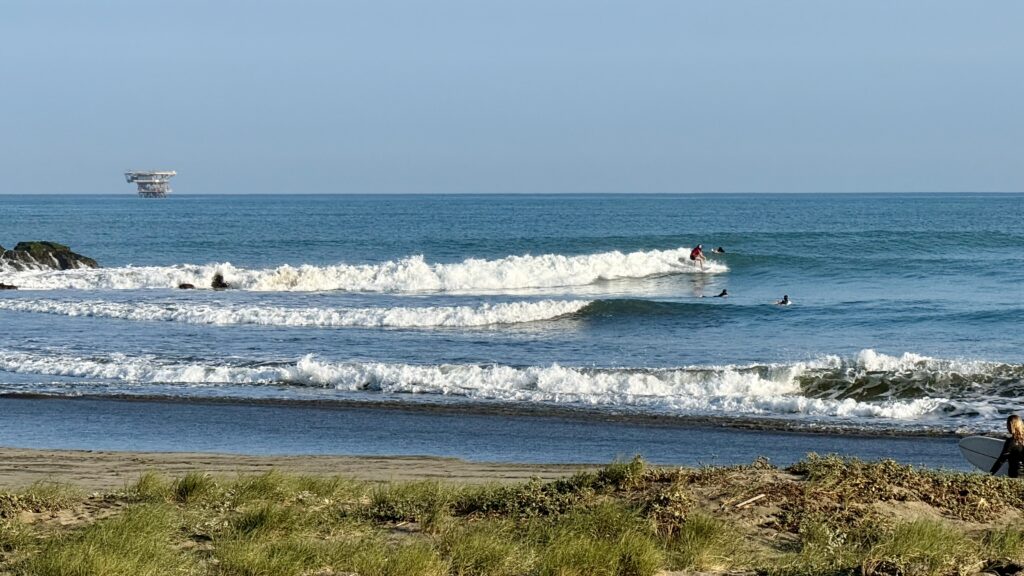
Ah, a nice-ish beach with a perfectly peeling surf break. We spent three nights camped here, relaxing after the stress of navigating Piura’s road blockades.
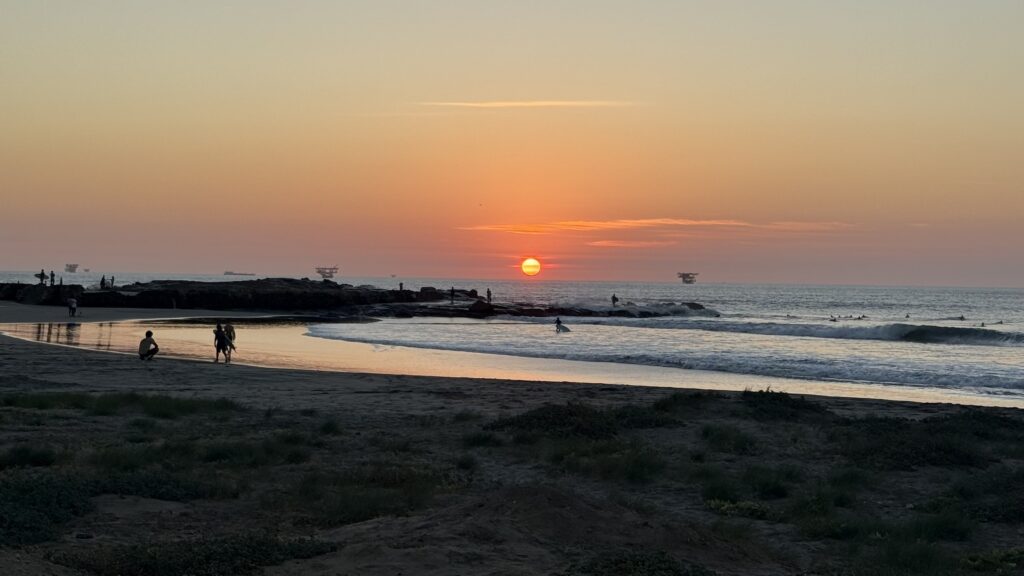
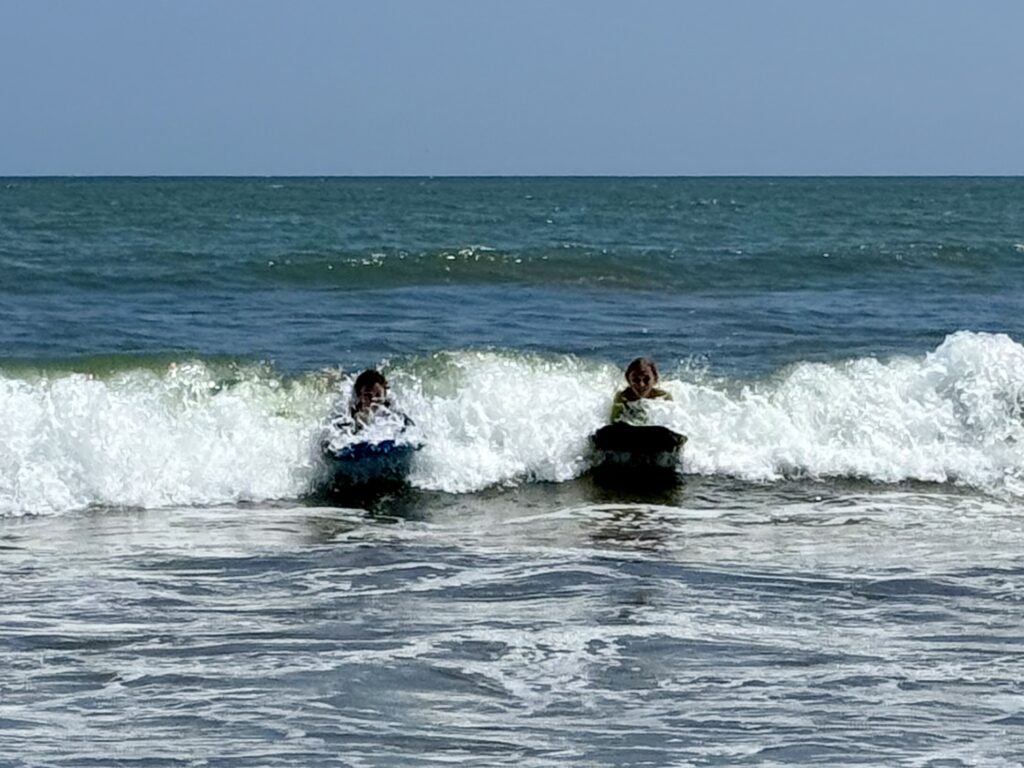
Jaxon spent hours each day boogie boarding, mixed in with a little schoolwork and some stunning sunsets. By day three, the wind had turned nasty, whipping up dust and coating everything inside the truck with a fine layer of sand.
Leaving Lobitos, we picked up the new coastal road that had been under construction on our way south. Although not completely finished, we enjoyed the smooth blacktop and ocean breeze.
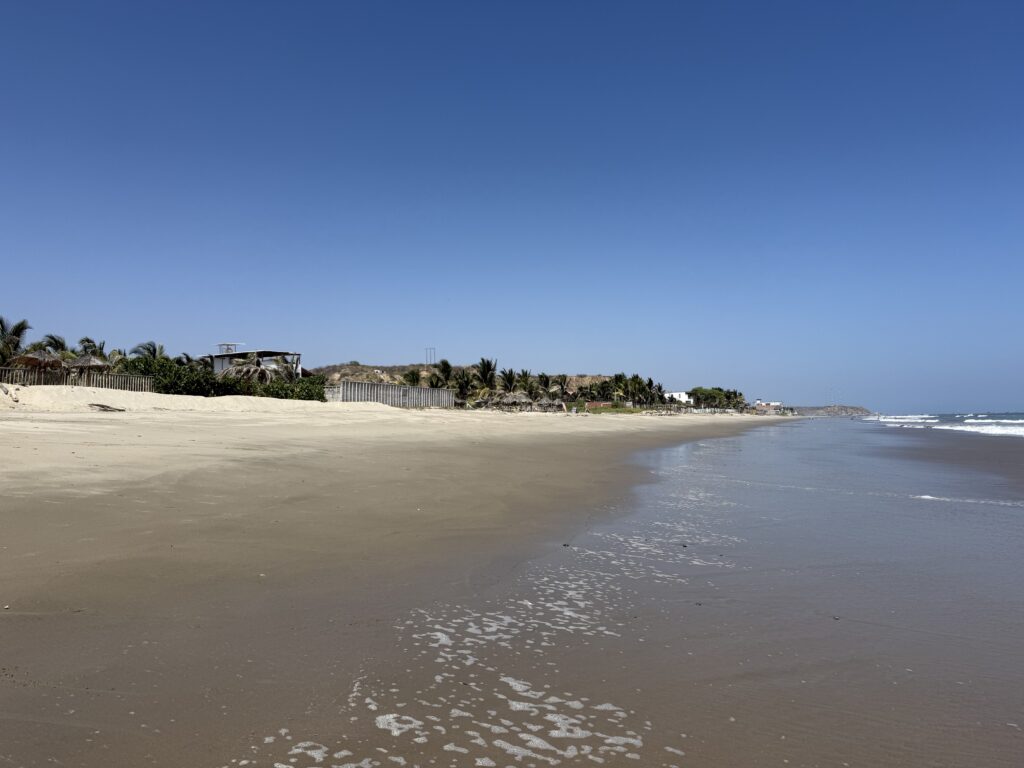
To be honest, Peru’s north coast isn’t much to write home about. We passed through Máncora, the popular surf and kiteboarding town. The water and waves are undoubtedly its most redeeming features, because the town itself is just a dusty, dirty tourist trap. We didn’t quite see the appeal and drove straight through, trying to ignore the kites dancing overhead.
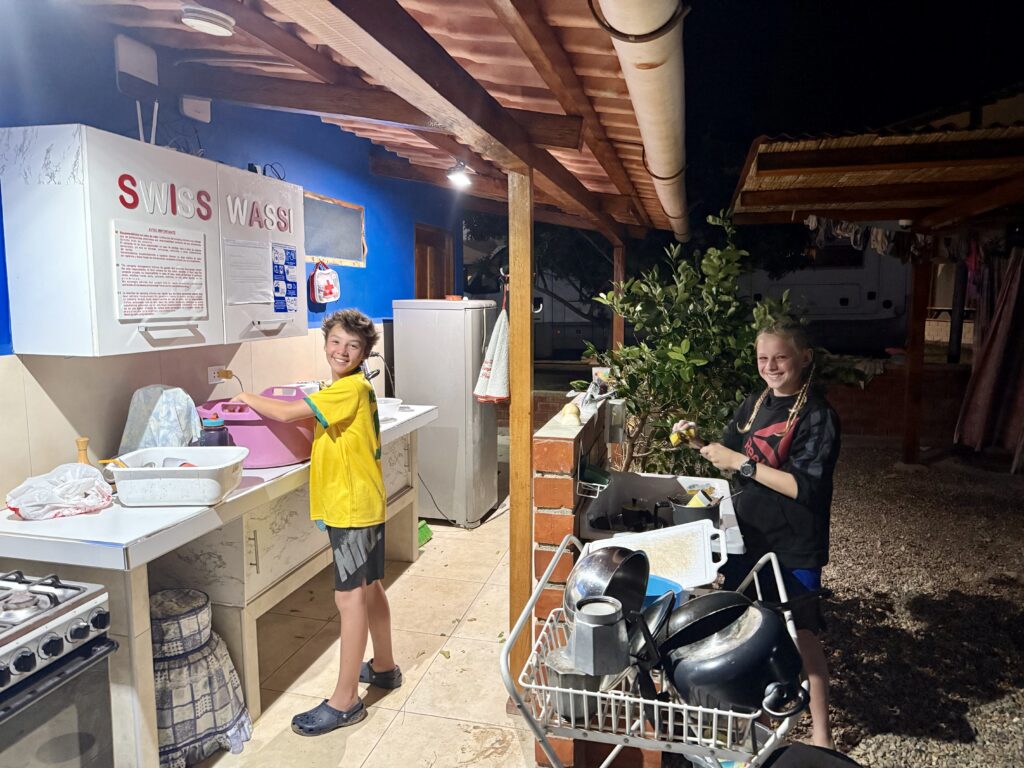
We’d met up with the French family again and continued together to Swiss Wasi, our final campsite in Peru.
SWISS WASI
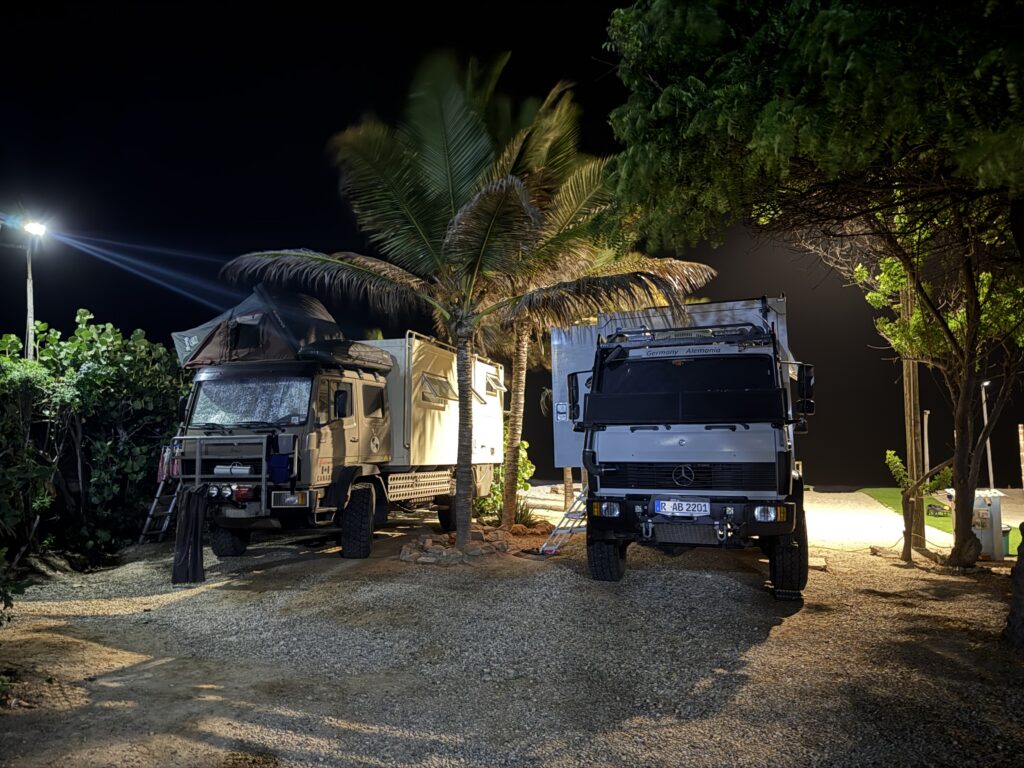
It was a pleasant campground where we parked beside another truck we recognised from Mexico. Tanya and Boris from Germany were first met back in December 2024. With no fixed timeline, they are certainly taking the slow-travel approach.
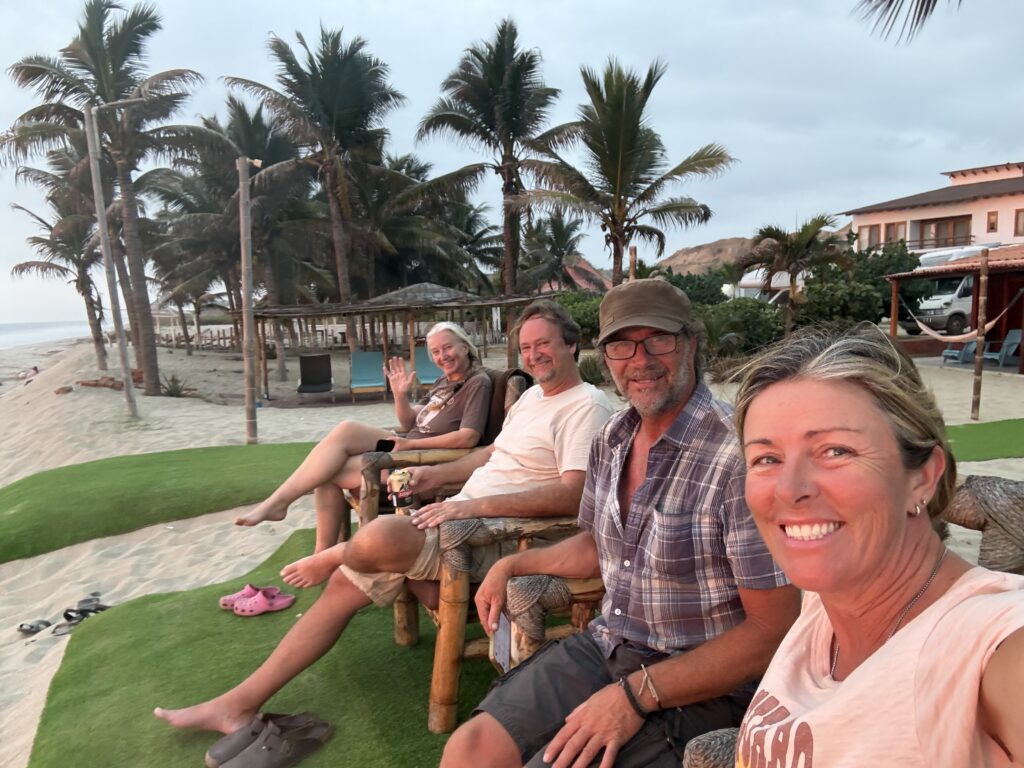
Over the next couple of days, we relaxed, enjoying every moment. Knowing our trip is coming to an end, remembering all that we have done, seen and experienced I’m deeply grateful for it all.
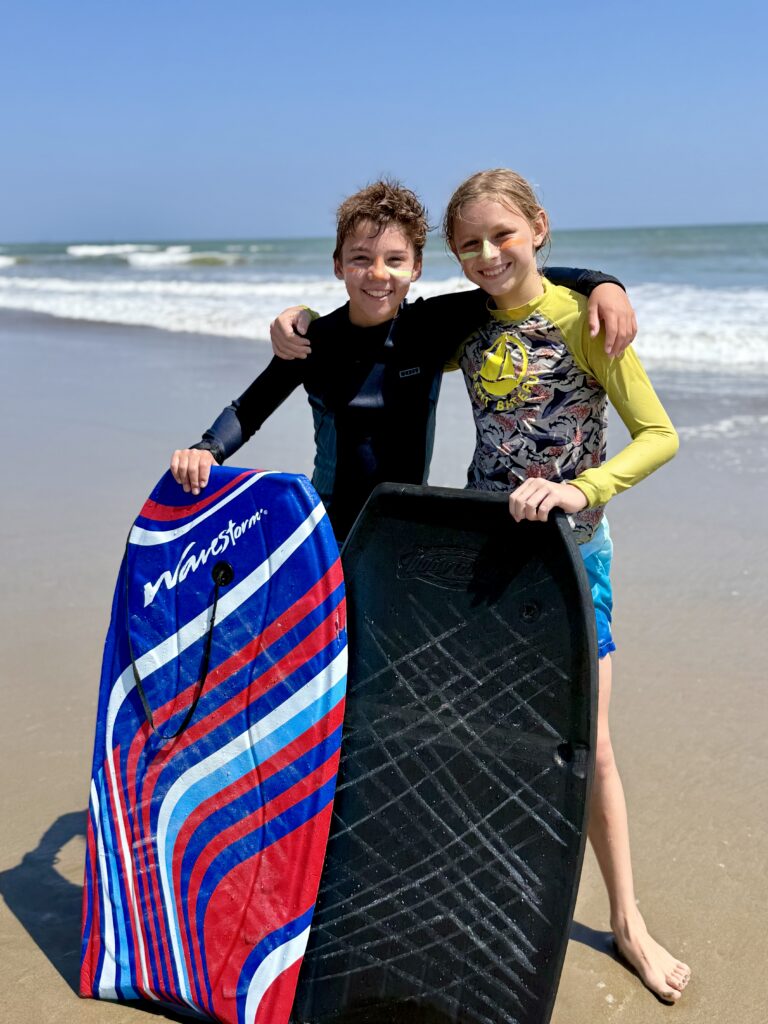
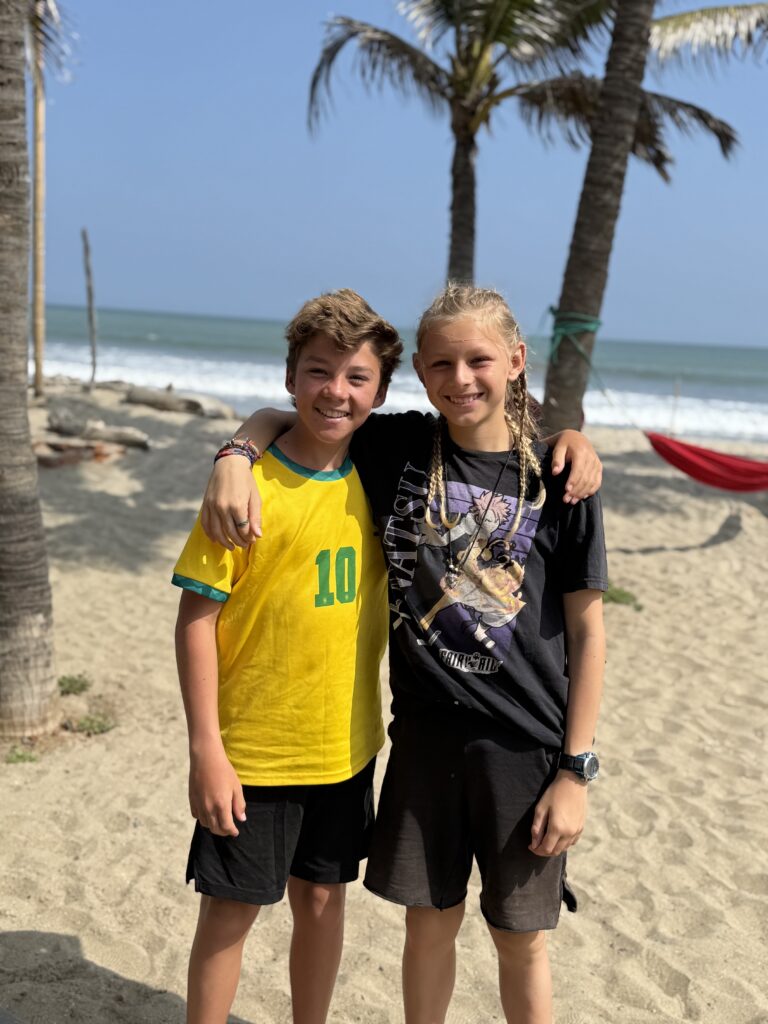
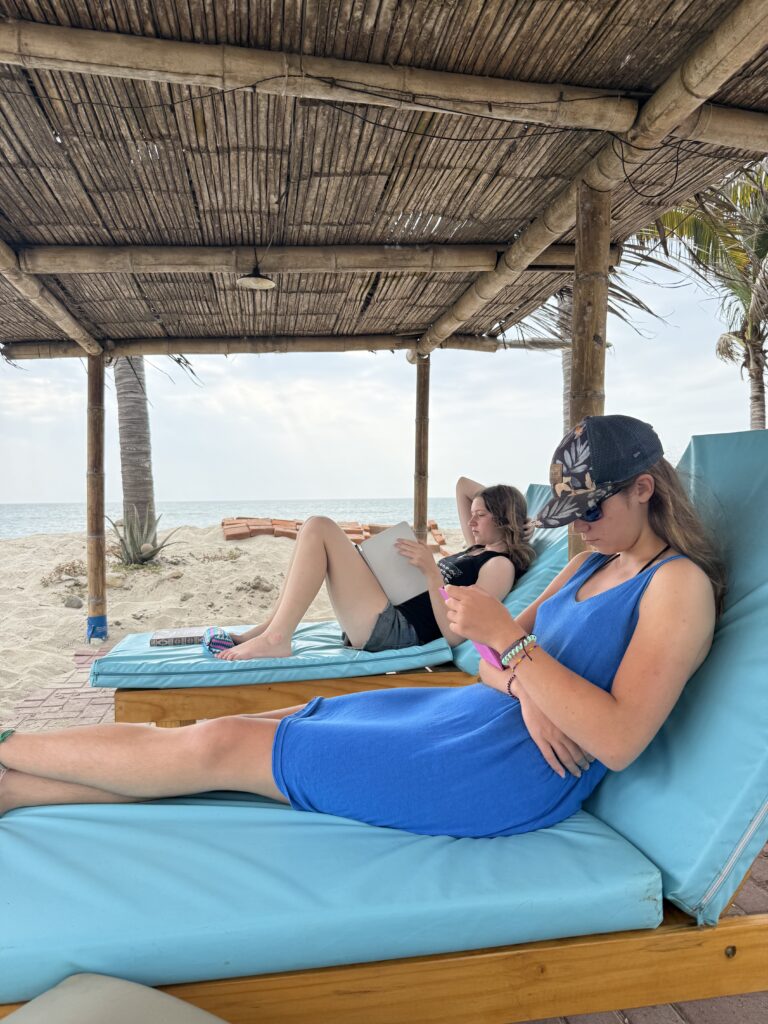
Jaxon and Timothée spent their days in the water with the boogie boards, while Charley and I read and did very little else. Tim caught up on world news and the latest political disasters.
ECUADOR
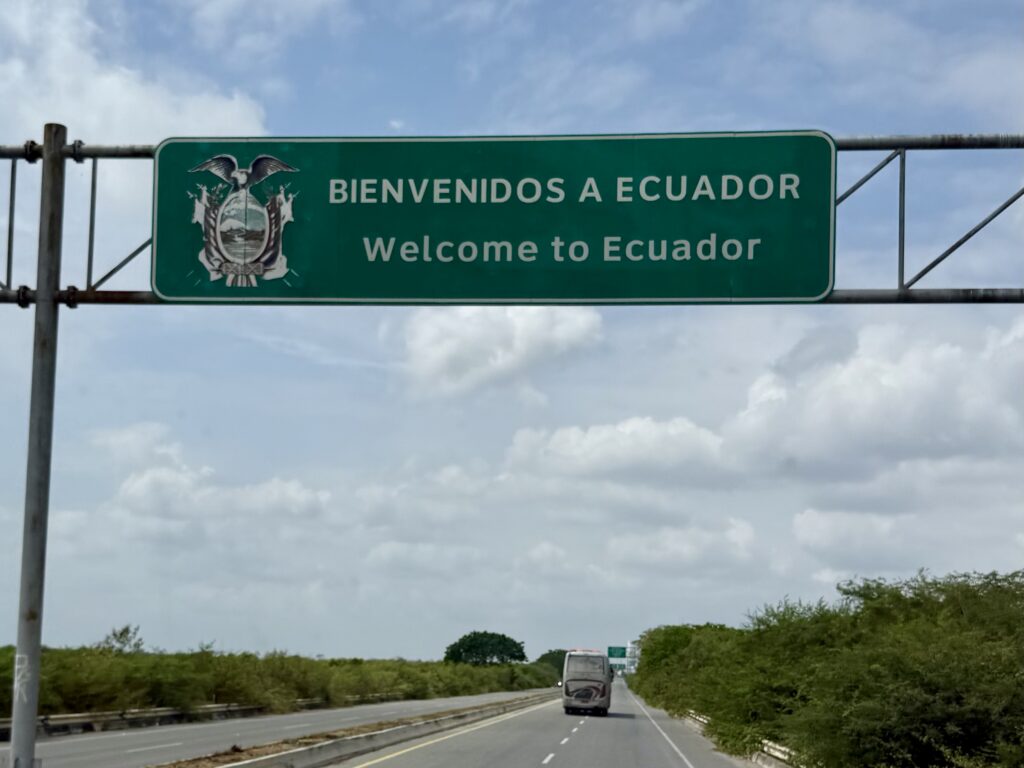
Crossing the border was quick and easy, within 30 mins we were back in Ecuador.
The roads improved dramatically, although the terrain immediately reminded us that progress through the Andes is never fast. The route climbed up and over mountain passes, but we weren’t in any hurry.
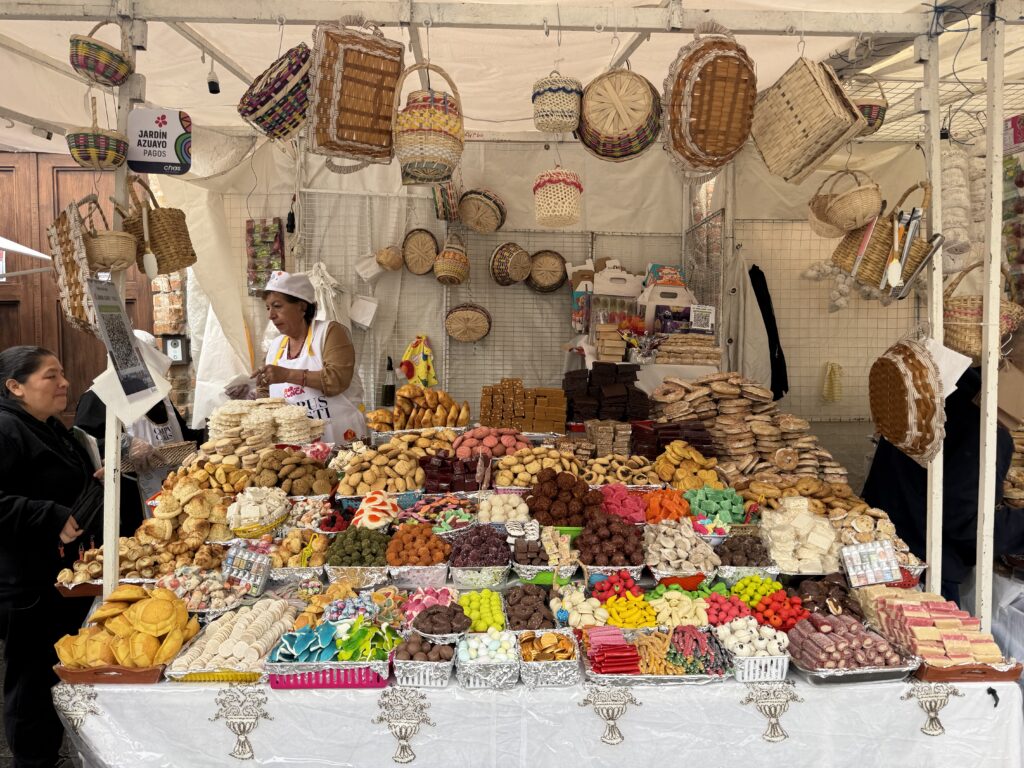
We arrived to another warm welcome at Paul and Pam’s home. Our visit was brief. We spent a morning in Cuenca where I had my hat professionally reshaped and picked up a handful of vanilla beans.
Back home, a single vanilla bean costs around $8. Here, I paid just $1 each. Pop them into a bottle of vodka and leave them for six months or more, and I’ll have enough homemade vanilla extract to last for years.
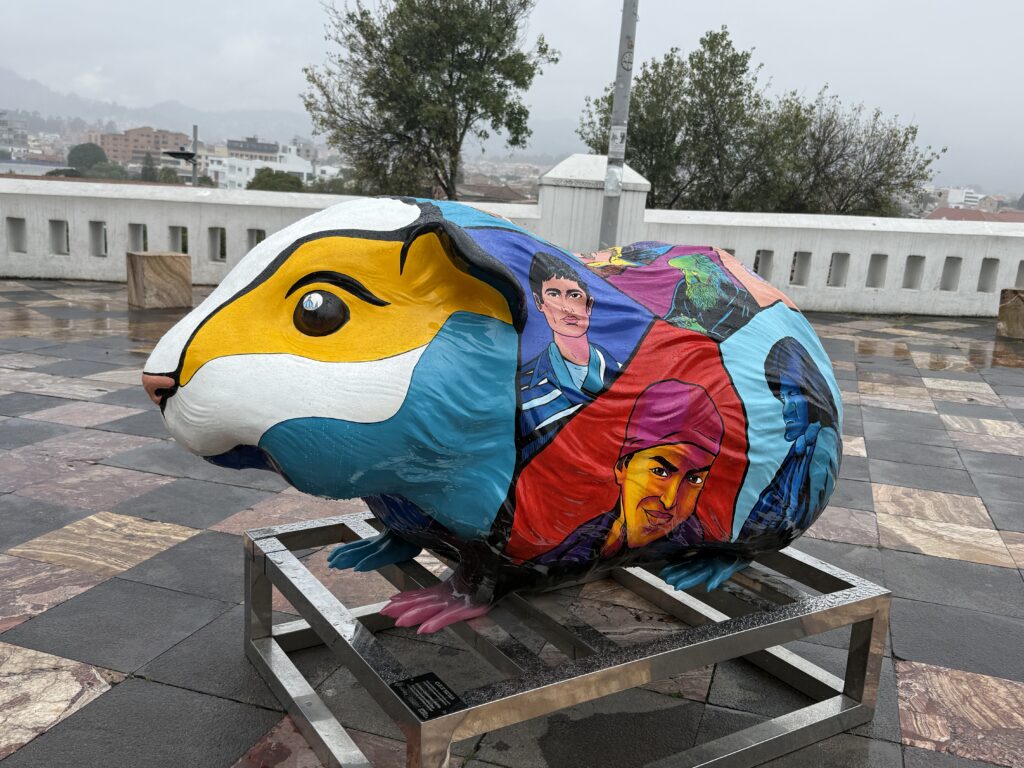
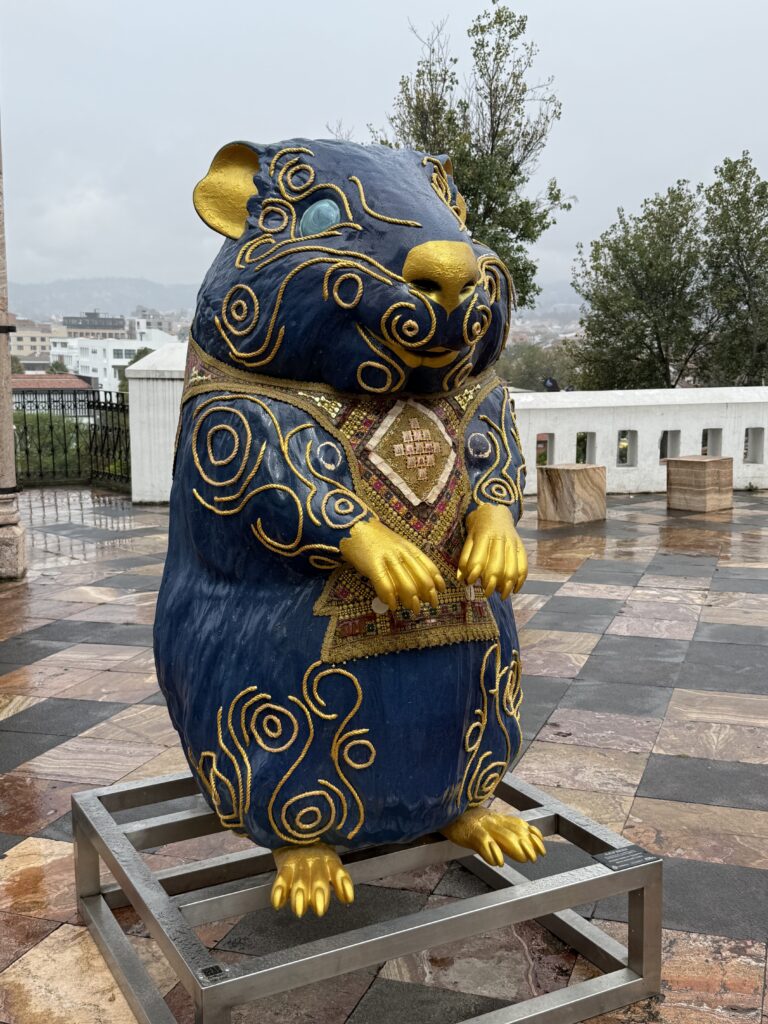
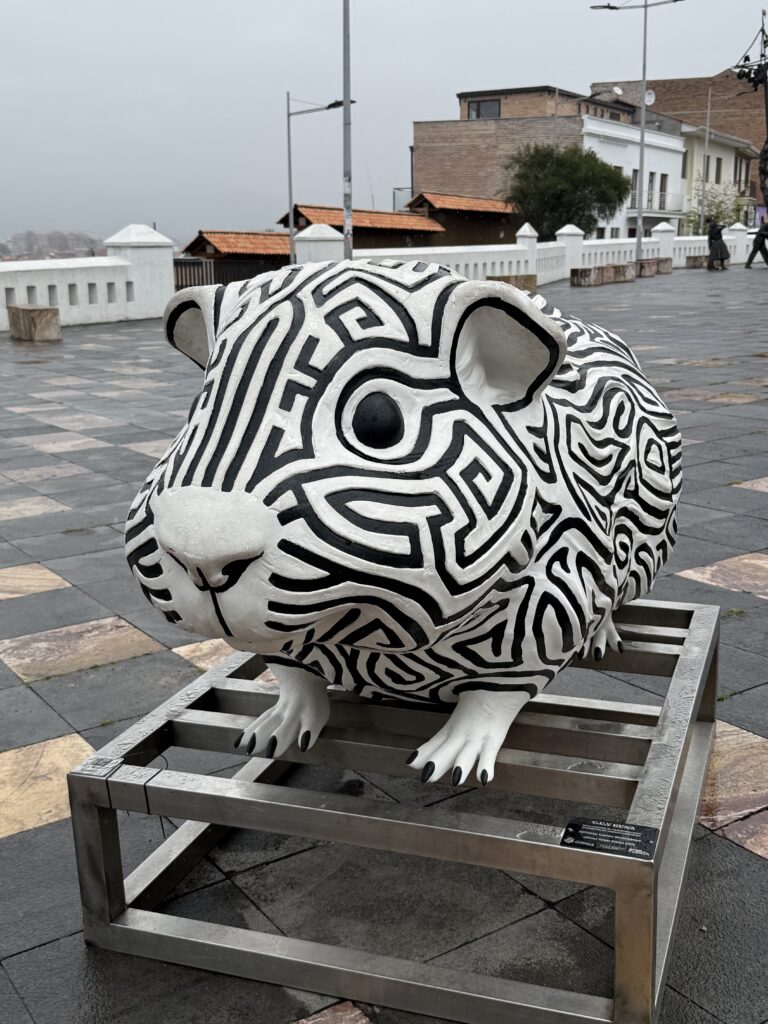
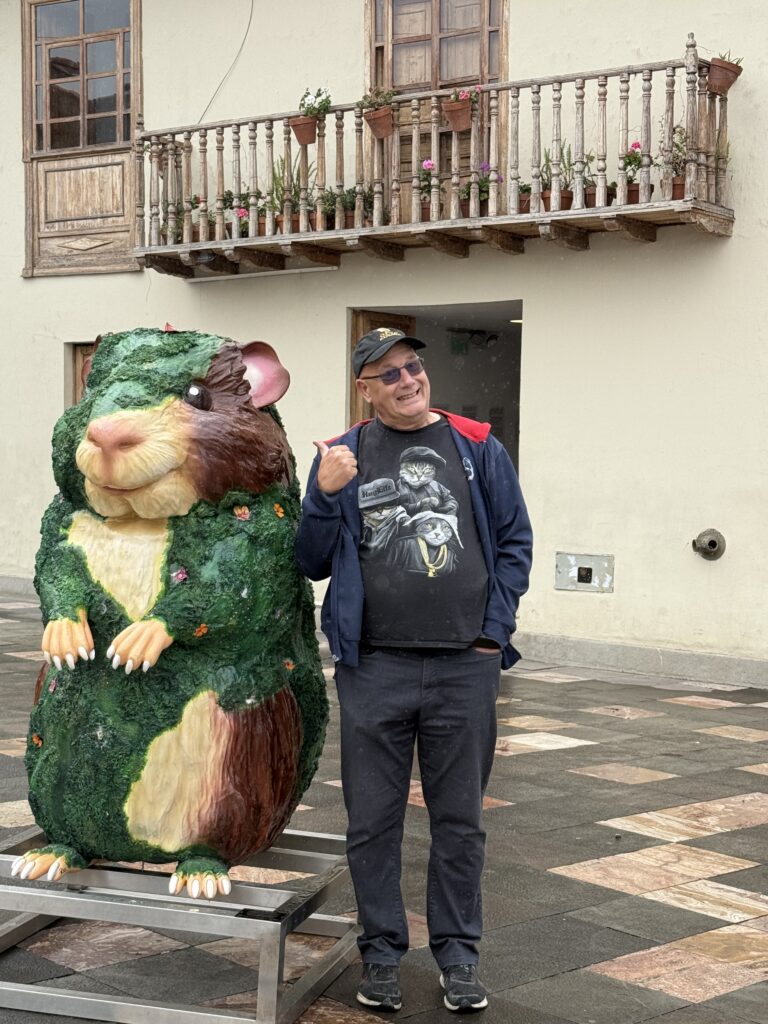
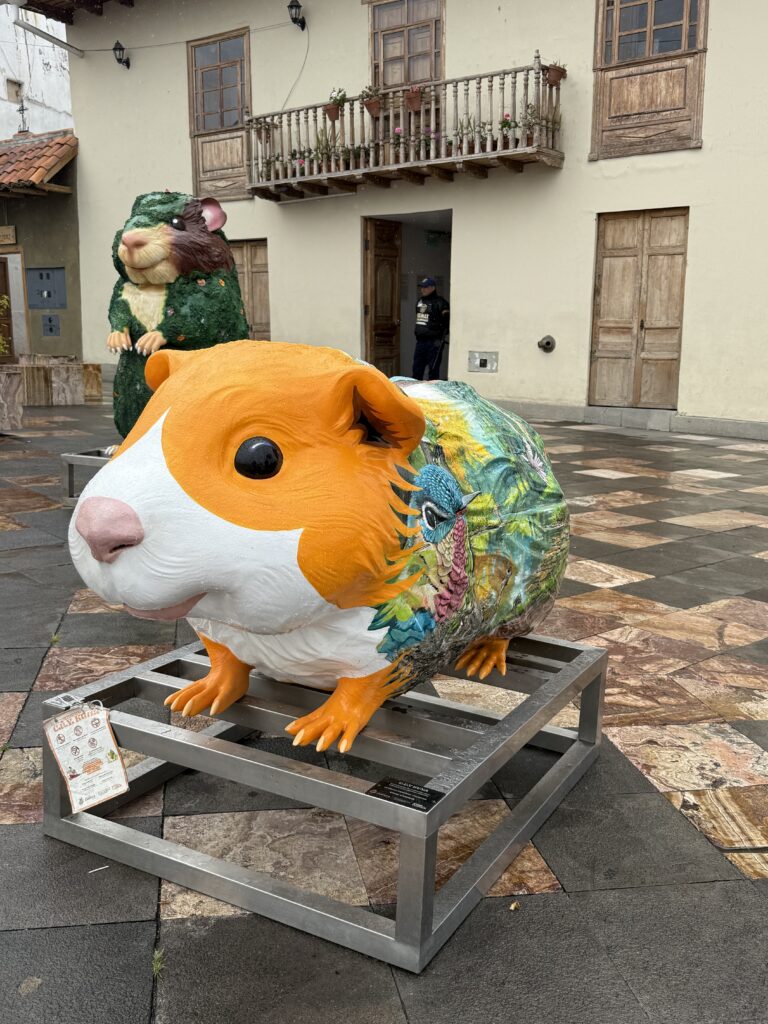
QUITO
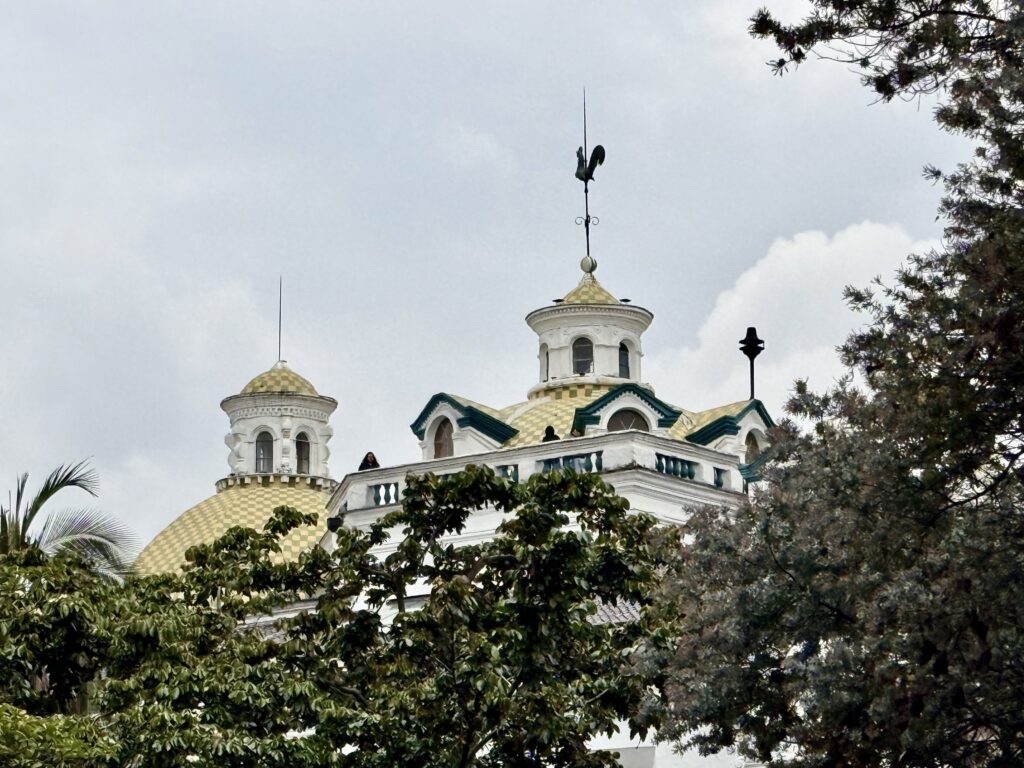
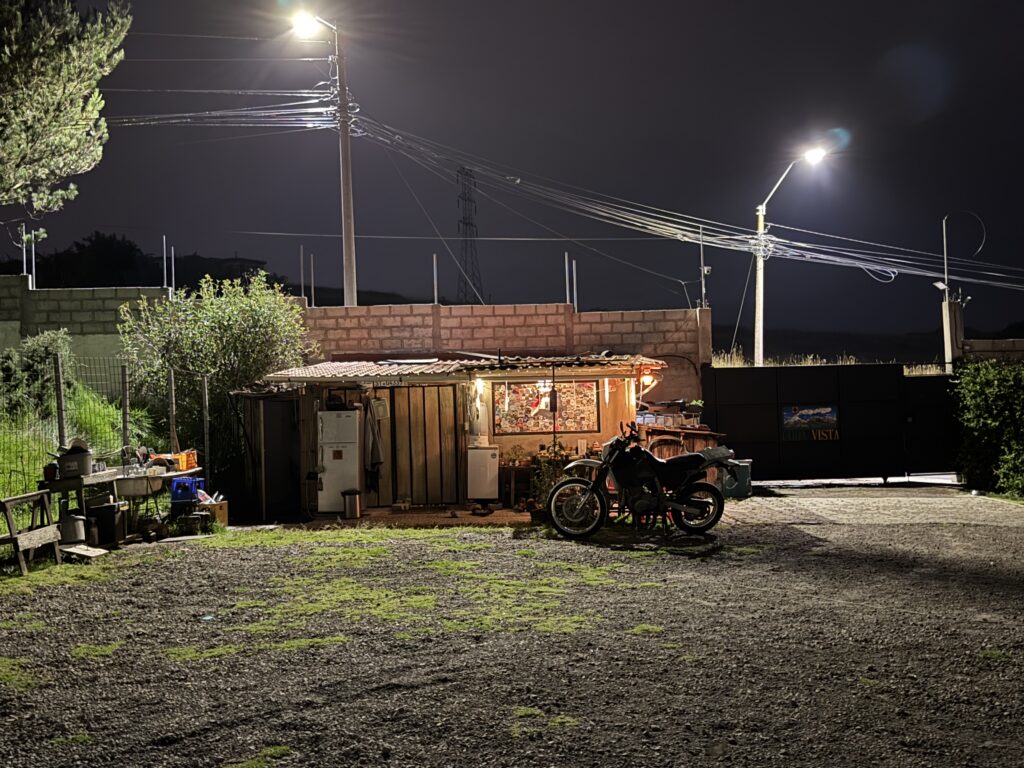
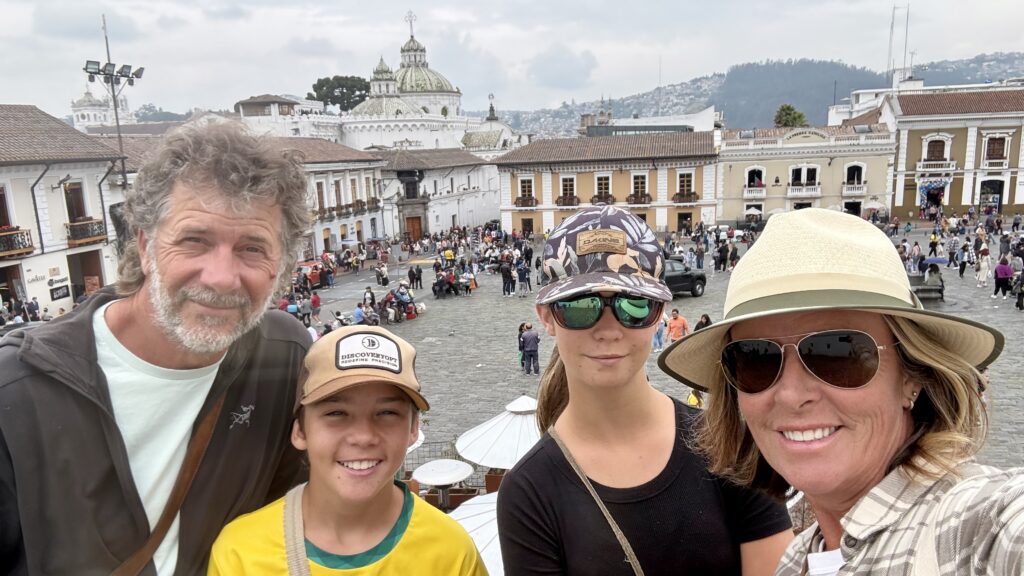
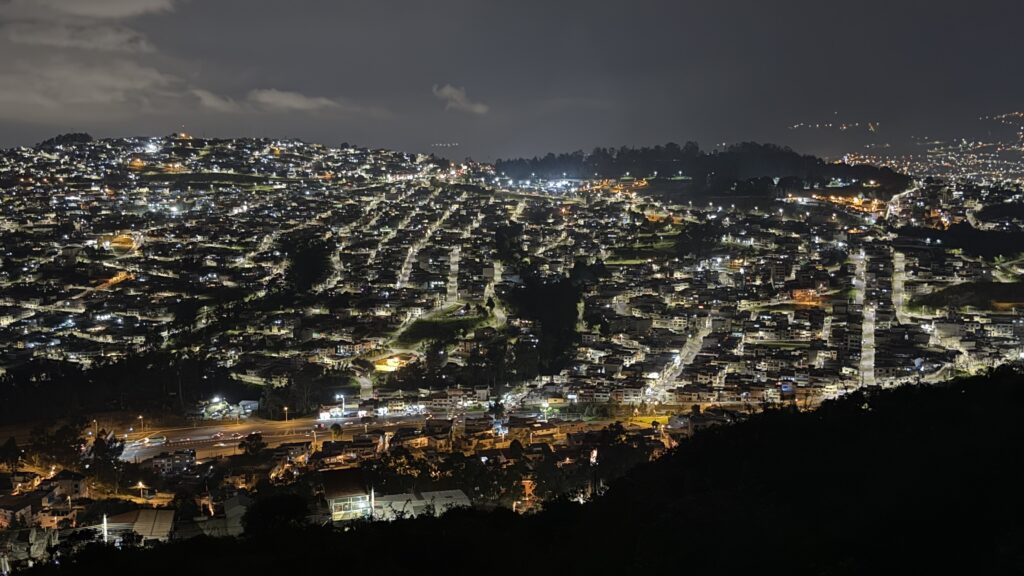
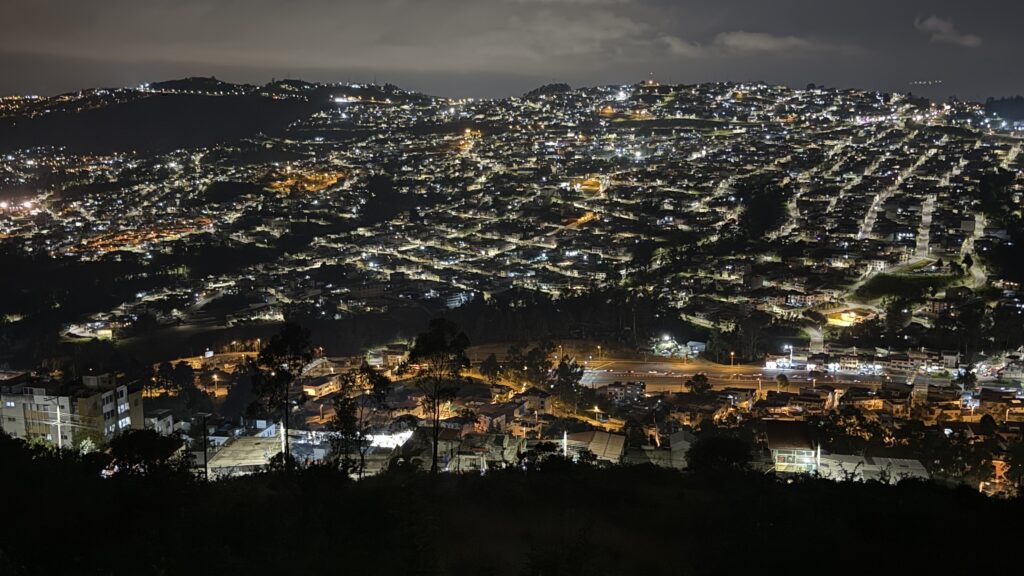
From Cuenca, we made our way north to Quito and back to Andy’s at Coda Vista, where we’d stayed on our journey south.
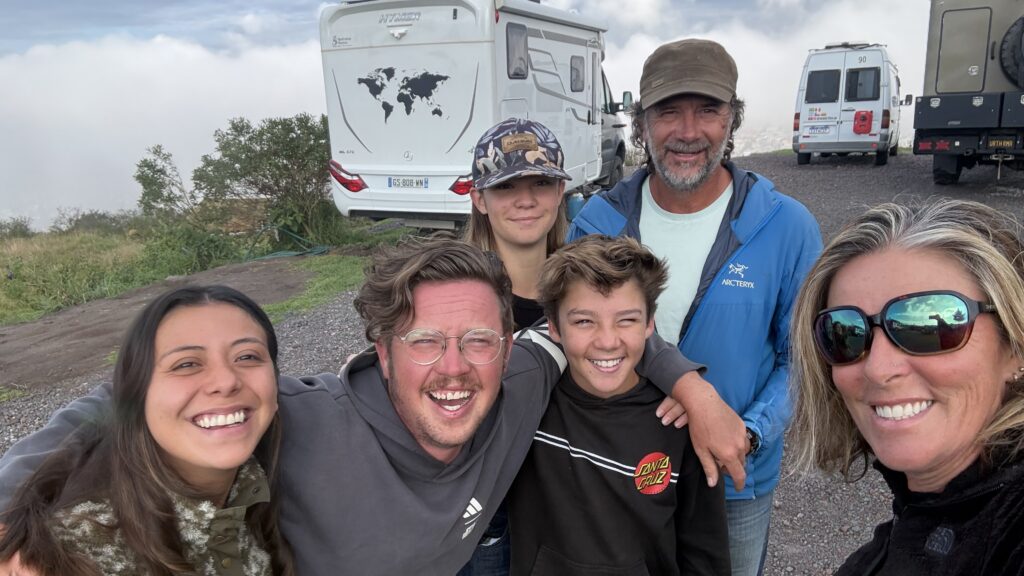
We are now the first family Andy has hosted where he has met three generations. My dad also stayed here on his way south back in 2023. We are only the second guests to have returned, which is surprising given how popular the place is with overlanders.
Andy immigrated to Ecuador more than ten years ago after spending four years exploring the continent by motorcycle.
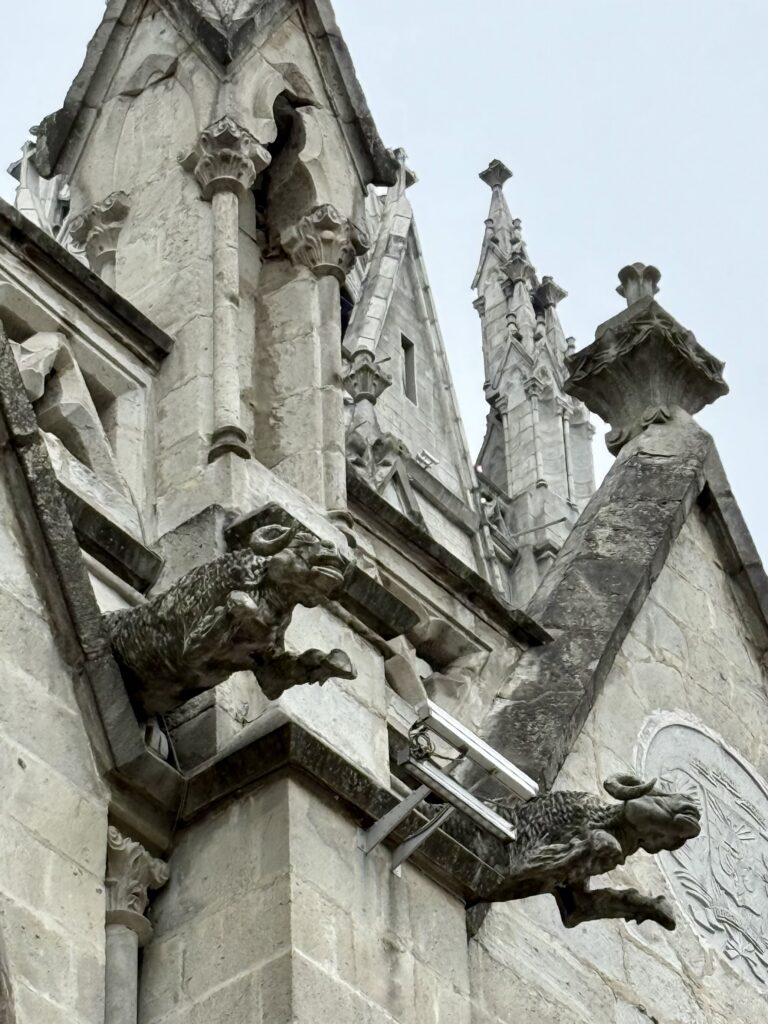
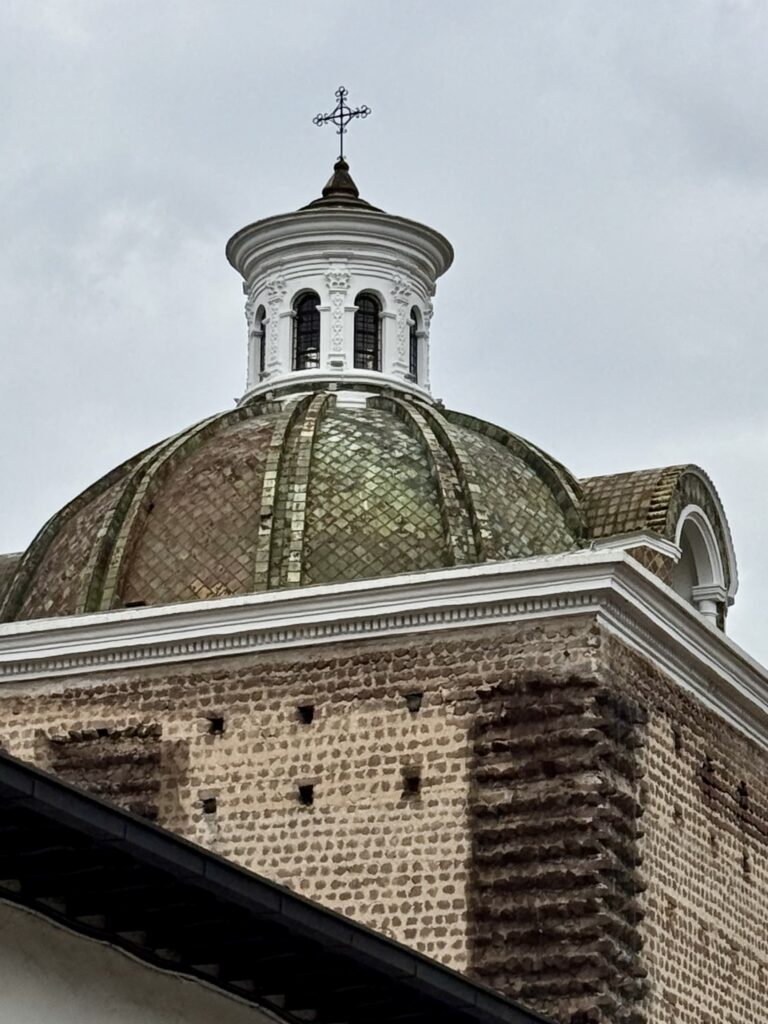
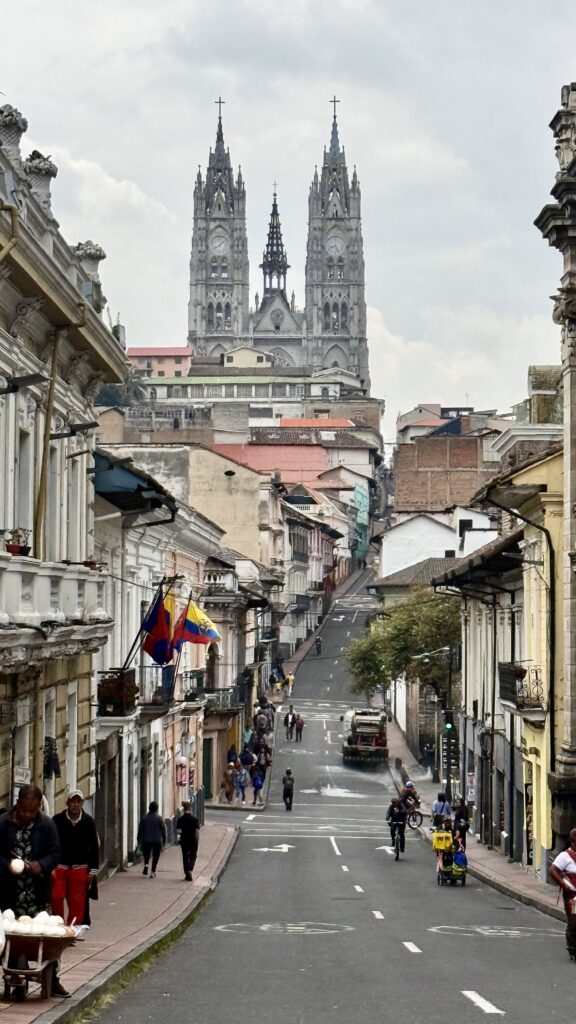

IBARRA
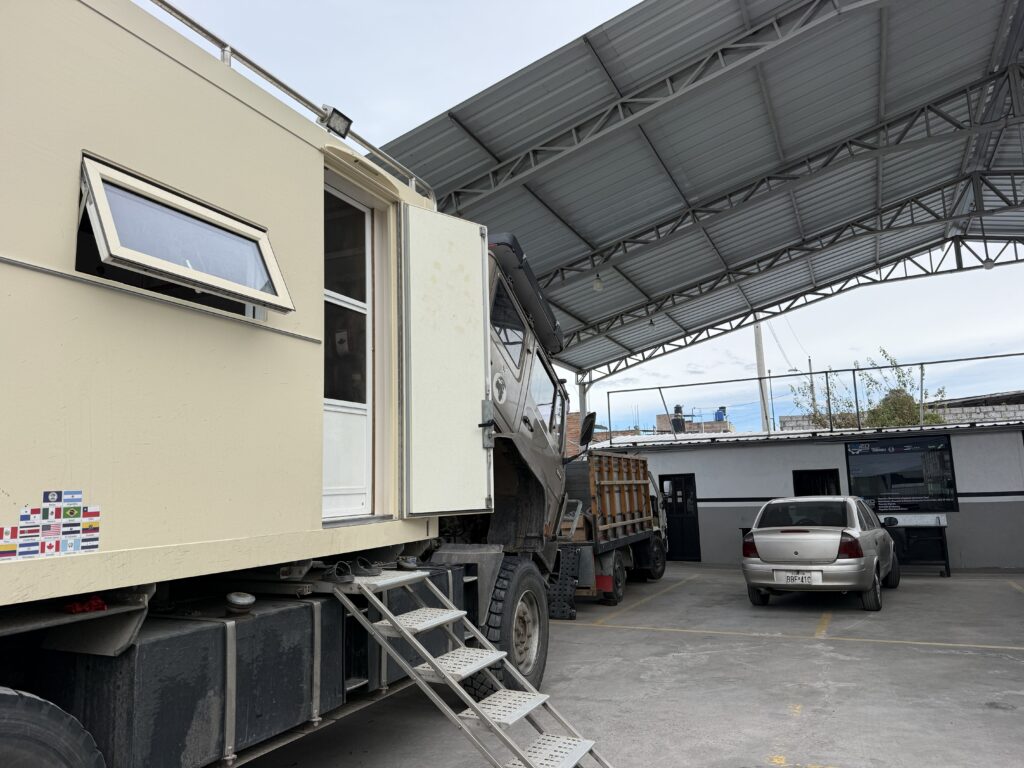
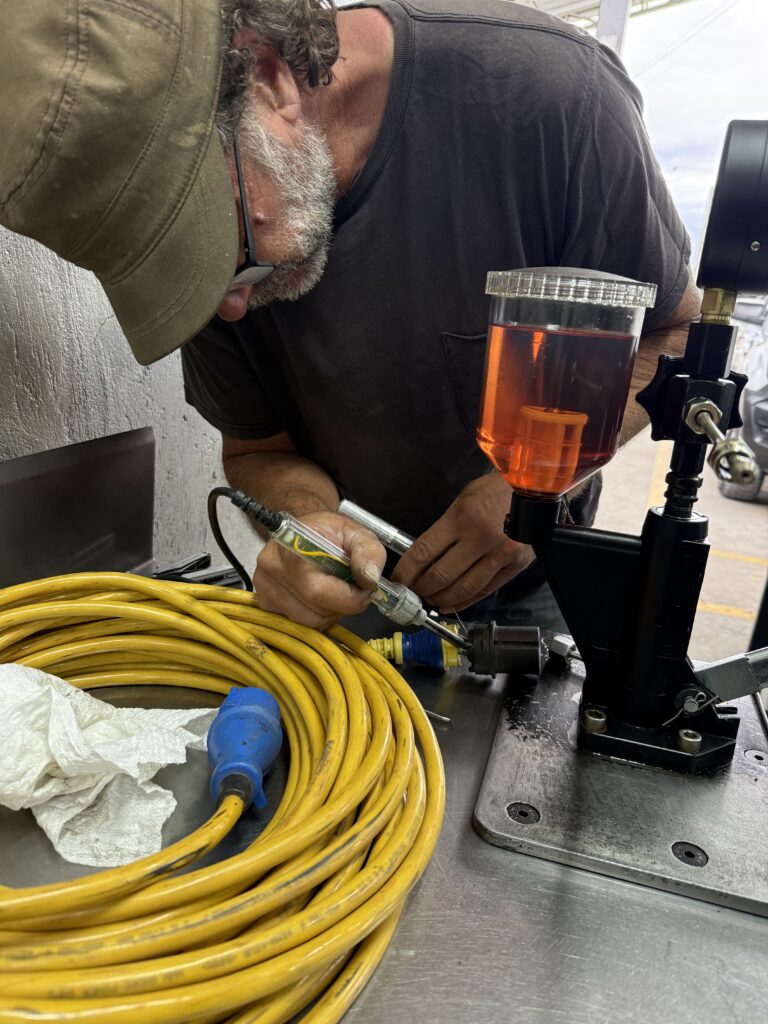
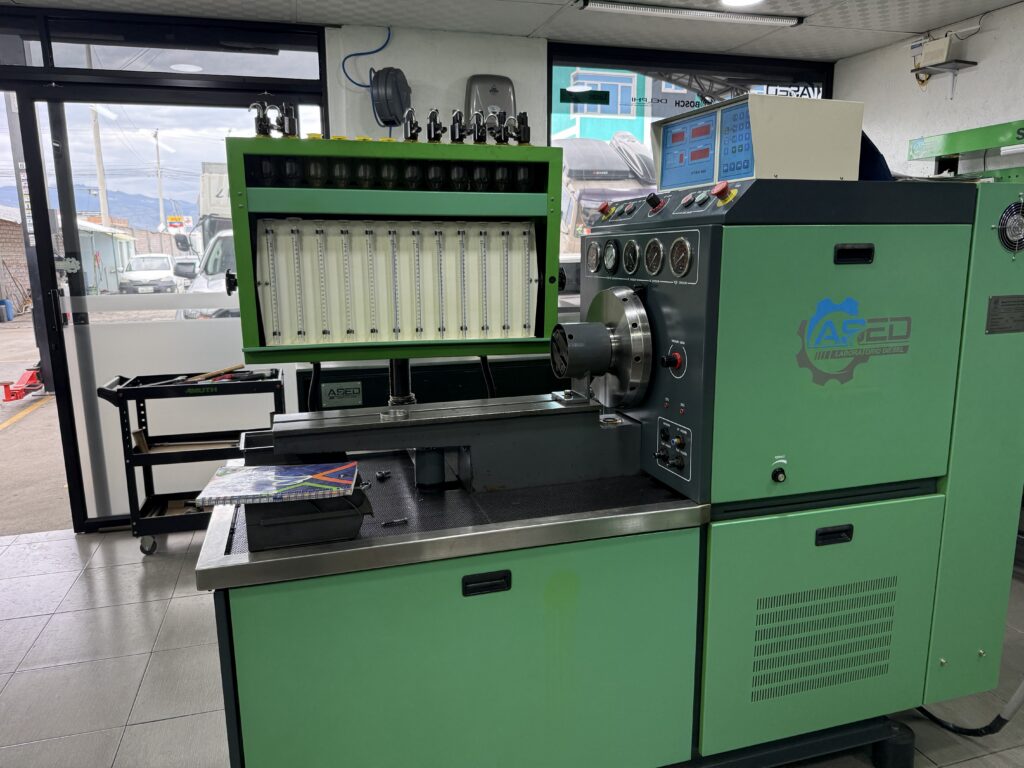
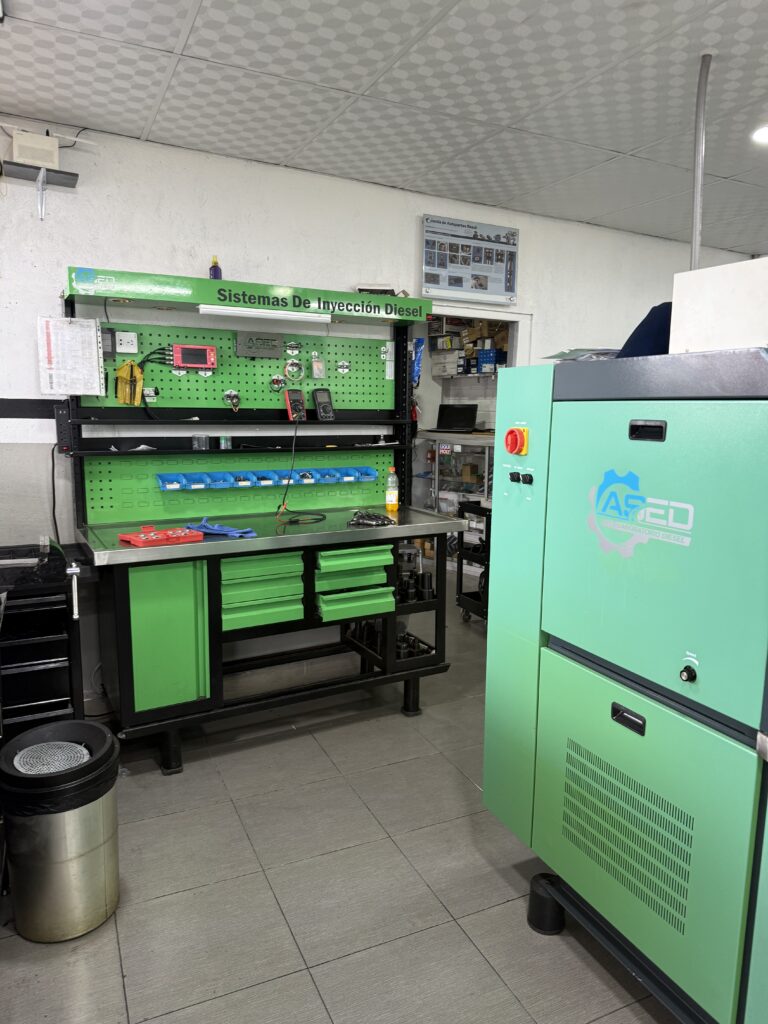
We spent two nights with Andy and Gaby over the weekend before turning around and driving three hours south again on Monday morning for an 8 a.m. appointment with an injection specialist. The plan was to test the motor, change the oil, and repair or replace the worn pivot bushings on the cab.
Ambato isn’t the most exciting city, and the work wasn’t completed in a single day. Instead, we spent the night locked inside the mechanic’s yard, camping between workshops and spare parts.
OTAVALO
Crossing the Equator once again, we didn’t bother stopping at any of the tourist monuments marking the line between hemispheres. We’d done that on the way south.
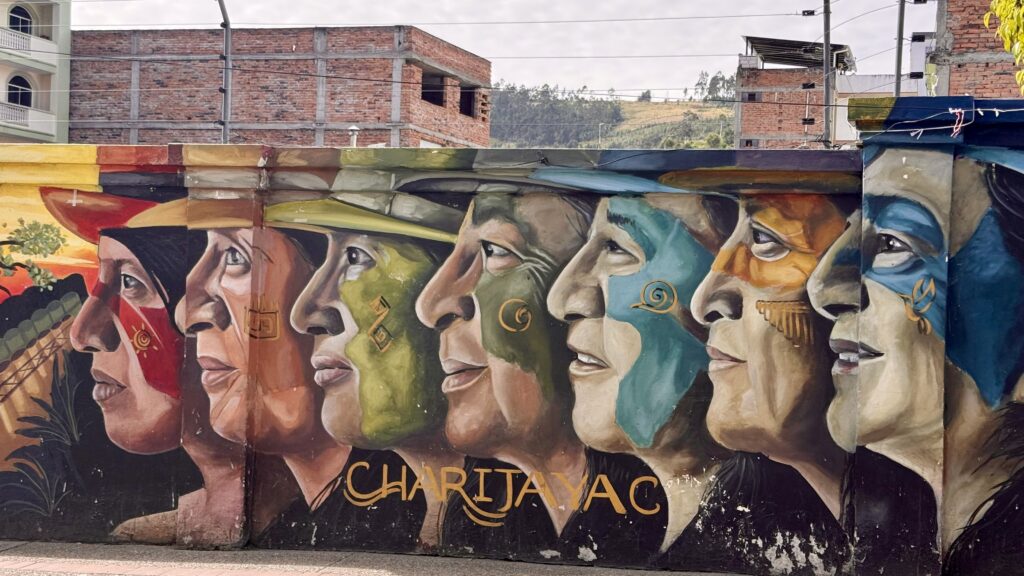
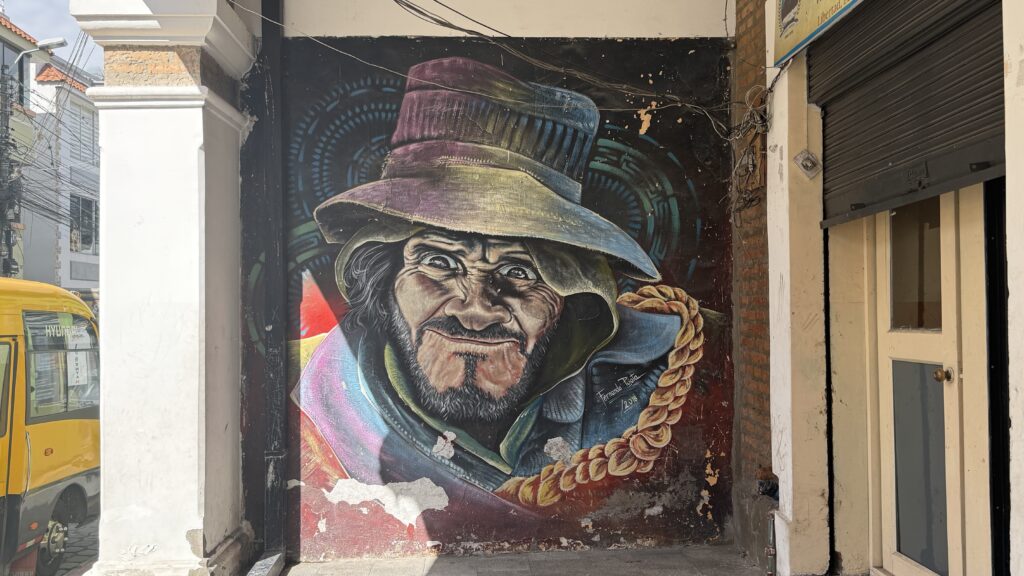
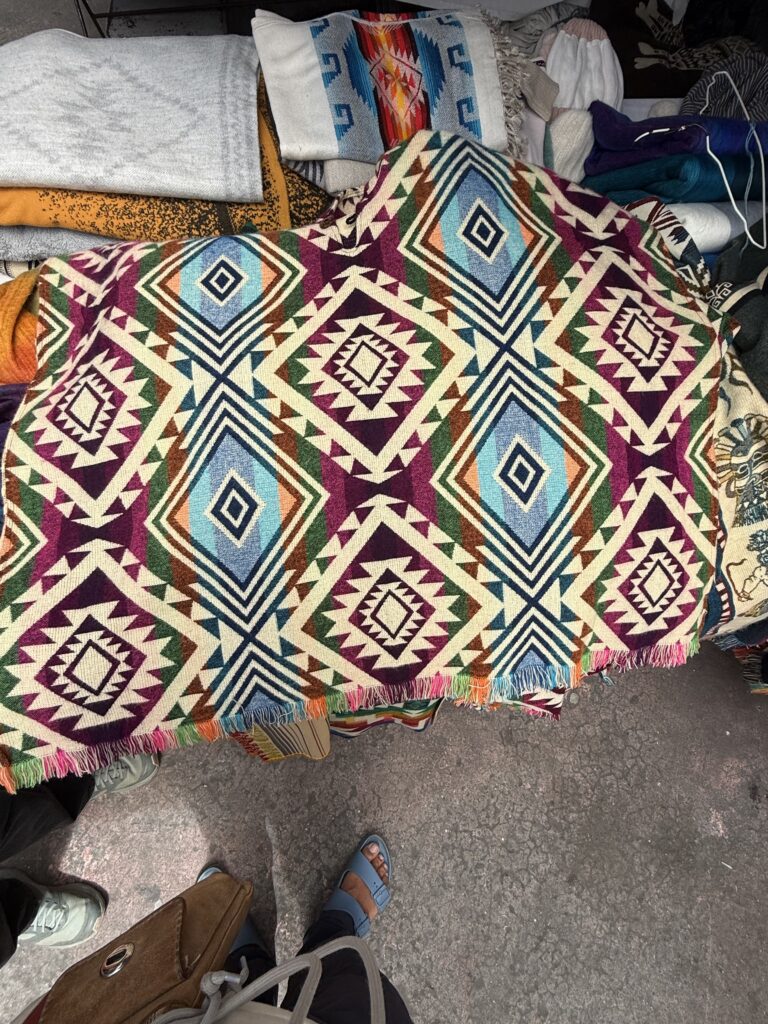
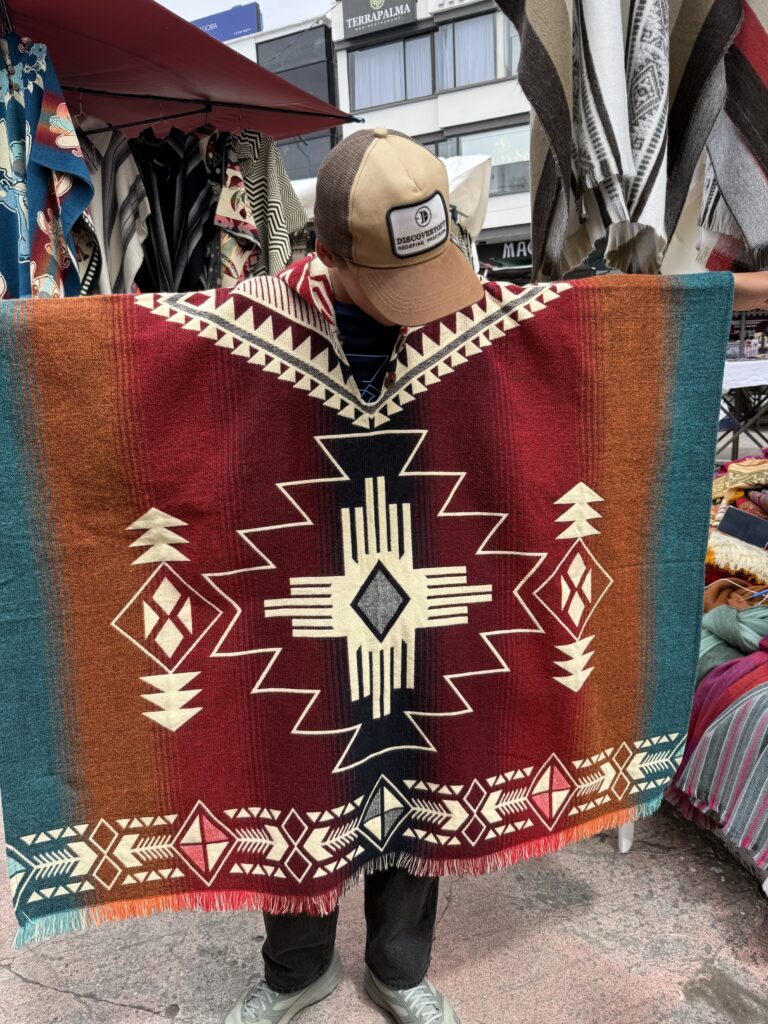
Instead, we continued to the lovely town of Otavalo and spent a few hours wandering through the famous Poncho Market. Somehow, we managed to buy three more ponchos.
Where we’re going to store them all remains a mystery, but they’ll be perfect for cool evenings around the campfire when we’re eventually back home.
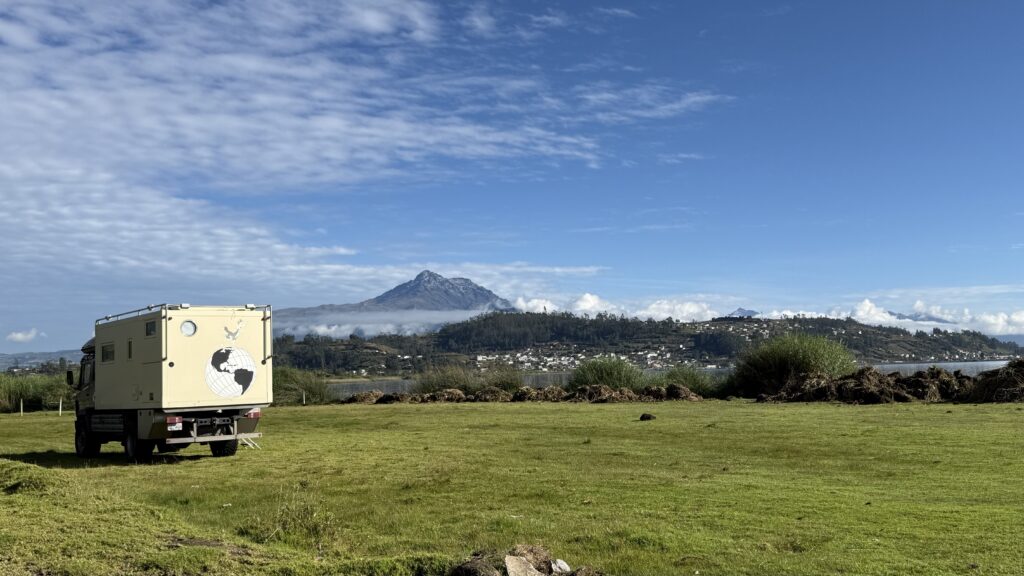
One night was spent camped beside a beautiful lake surrounded by volcanoes, a fitting backdrop for our final days in Ecuador.


IBARRA
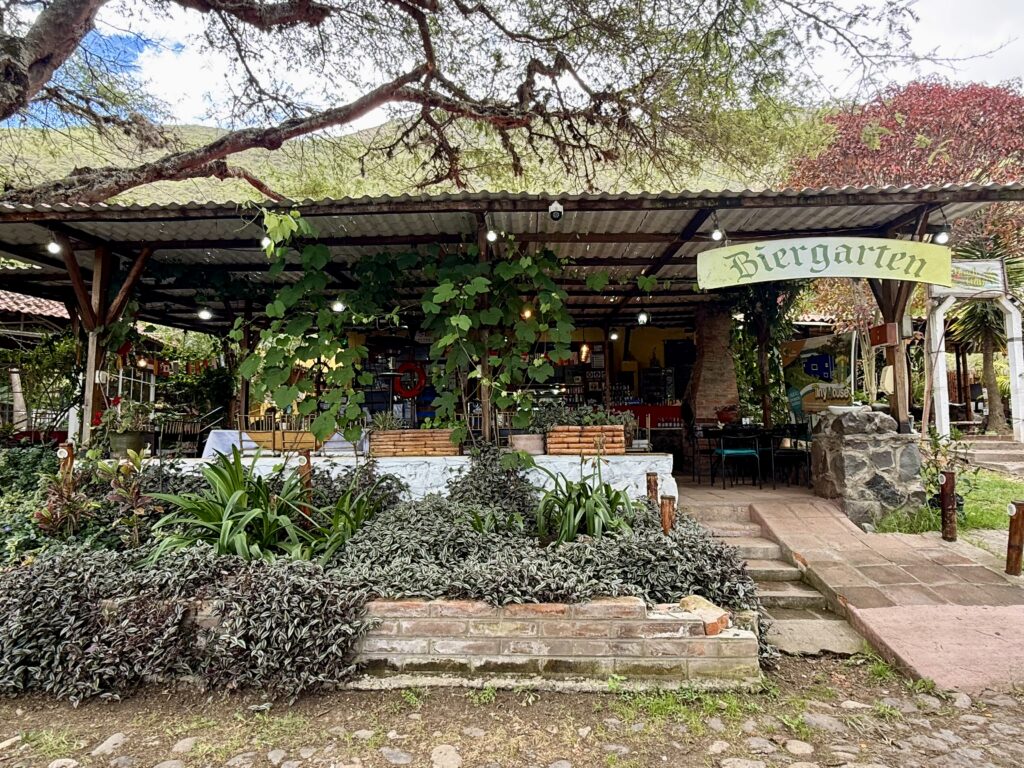
By now we were well and truly retracing our steps, arriving back at Finca Summerwind.
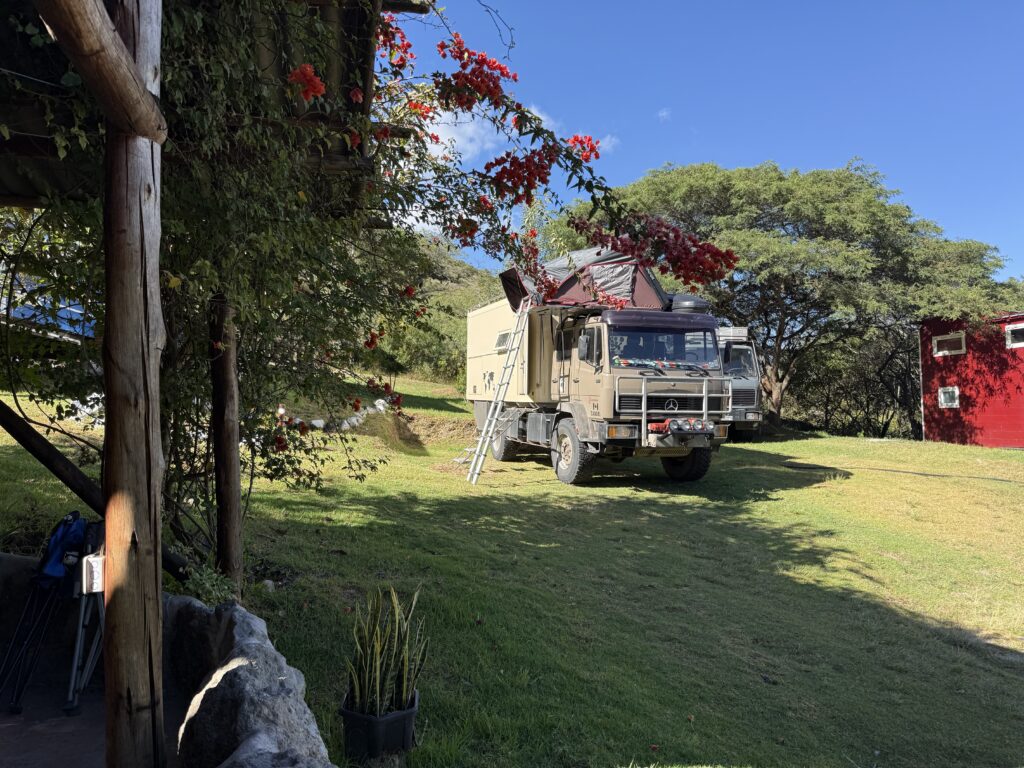
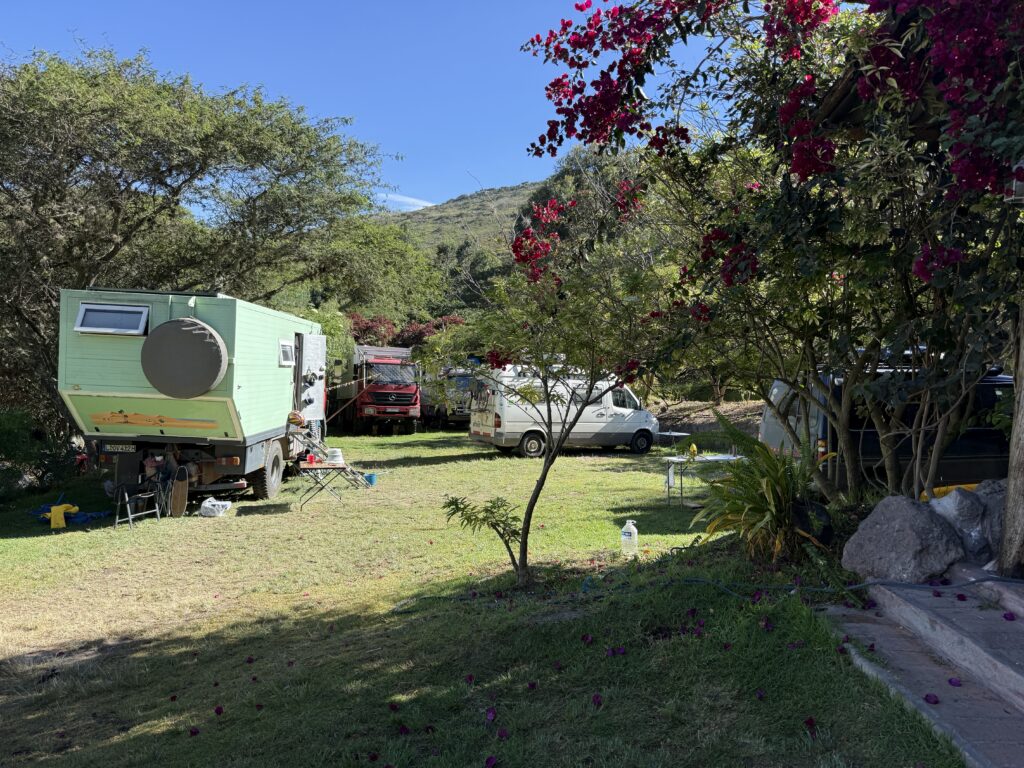
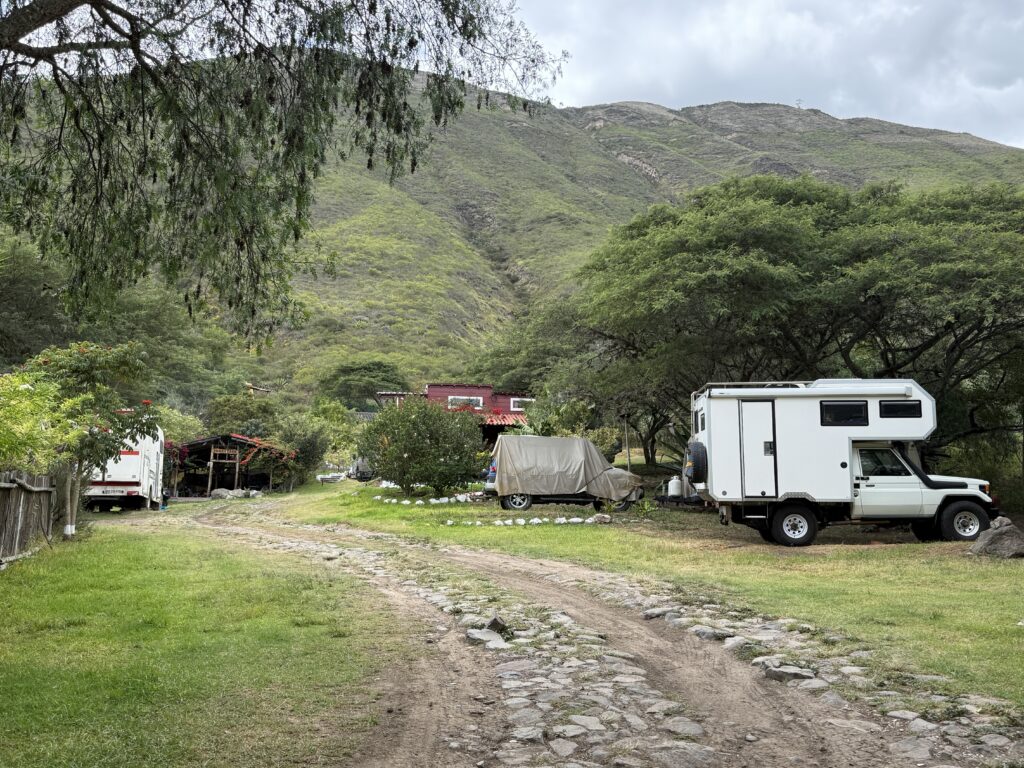
Like Andy’s place in Quito, this German-owned campground is an overlanders’ hub and always seems to be full of travellers. During our two-night stay, we spent the evenings chatting with fellow adventurers, most of whom were German or French.
The pivot bushings still hadn’t been repaired in Ambato, so we arranged to have the work completed in Ibarra. Once again, we arrived at 8 a.m. and spent the entire day at the workshop while the old bushings were removed, reinforced, and repaired.
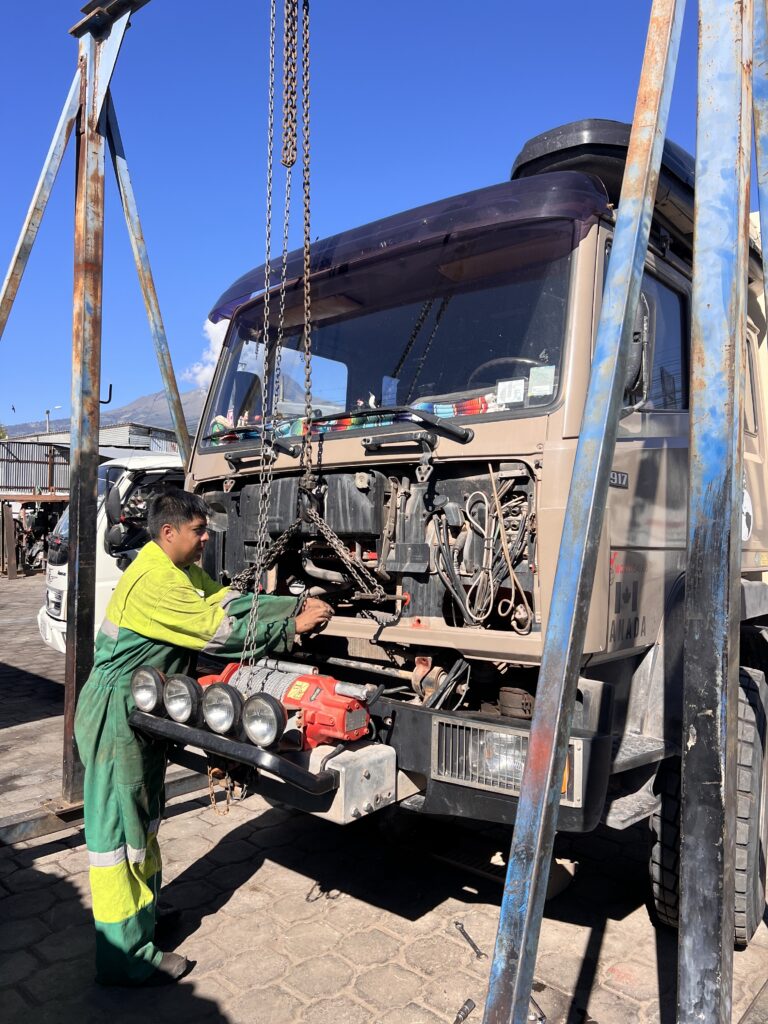
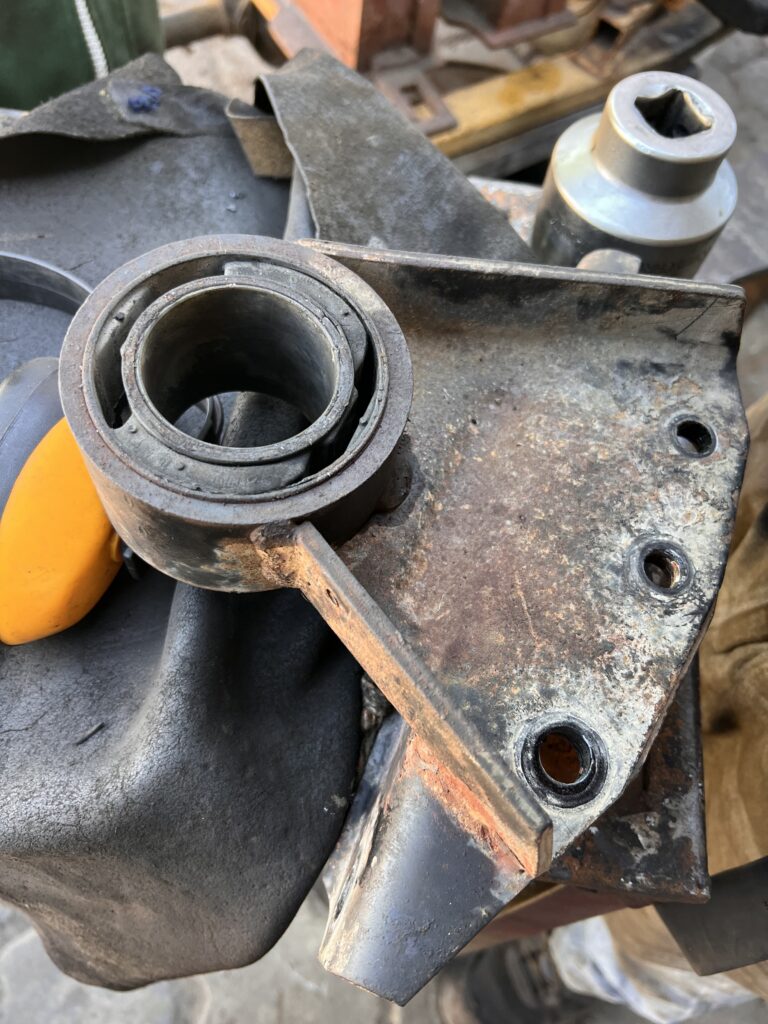
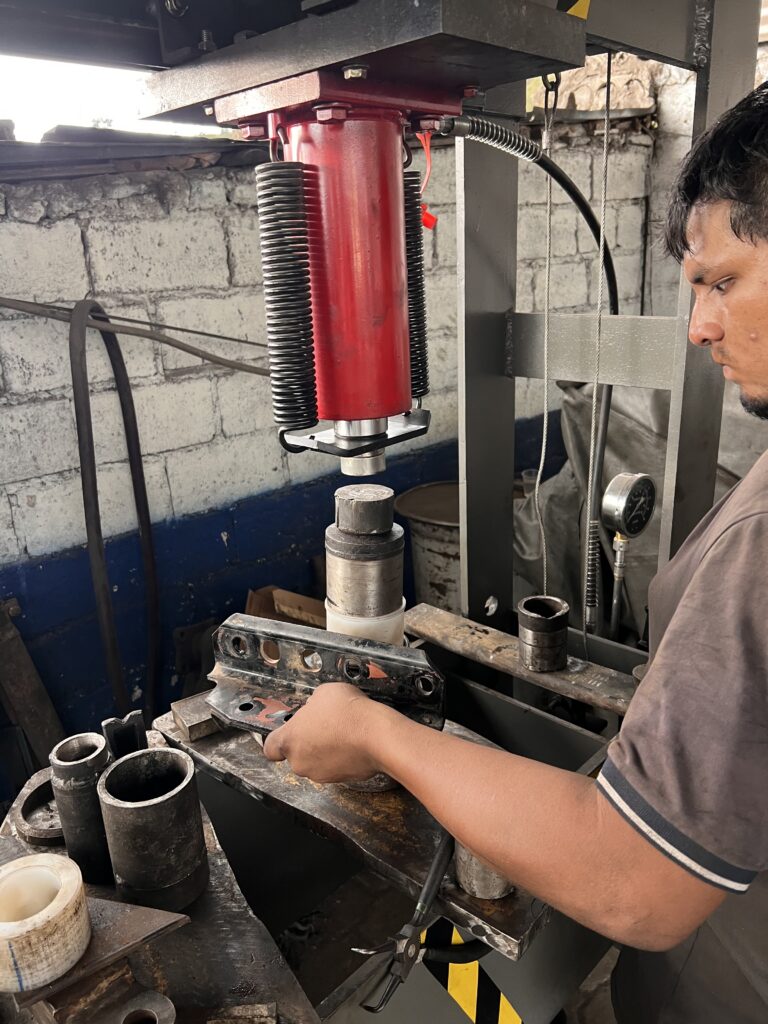
When we finally left at 10 p.m., the difference was immediately noticeable. The cabin rode more smoothly, and the truck felt tighter and more composed. Tim suspects these bushings may actually have failed towards the end of the Puna Route back in northern Argentina.
I keep track of every cent we spend using the TravelSpend app, and it produces some interesting statistics. As of writing, truck maintenance accounts for around 10% of our total trip expenditure.
Considering the truck is more than 30 years old, has covered over 60,000 kilometres during this journey, and has tackled some horrendously rough roads that most travellers wouldn’t even attempt, that figure feels remarkably reasonable.
One Response
Wow–great photos–we had a fire -lighting–across the highway from Kadenwood and up the steep hill –helicopters worked throughout the next day–putting out the embers. I am sure you know the earthquake in Venezuela has been terrible–1500 deaths but many buildings collapsed and not cleared up so I am afraid the death toll might escalate.
Keep on trucking and am sure you will toast your arrival in Panama–hope you see some big boats going thru the canal. Lennox