
CAJAMARCA
26-29 May, 2026. Our plan was simple enough: head into the hills from Pacasmayo to Cajamarca for a couple of days, then continue north via the mountain route into the Chachapoyas region. We were looking forward to exploring incredible pre-Inca ruins, cloud forest landscapes, and towering waterfalls before crossing into Ecuador.
We were still waiting to hear back from the shipping agent, hoping for a late July or early August sailing date.
Instead, the email finally arrived with two options: 11 July or 5 August. Neither fell within our sweet spot.
That evening we sat down and faced the reality that the earlier sailing was probably our best option. To make it work, we would need to have Bruce in Cartagena on 2 July to begin the shipping process. It also means we couldn’t book flights until after the ship departed.
For the first time, the end of this journey felt real, and we were sad.
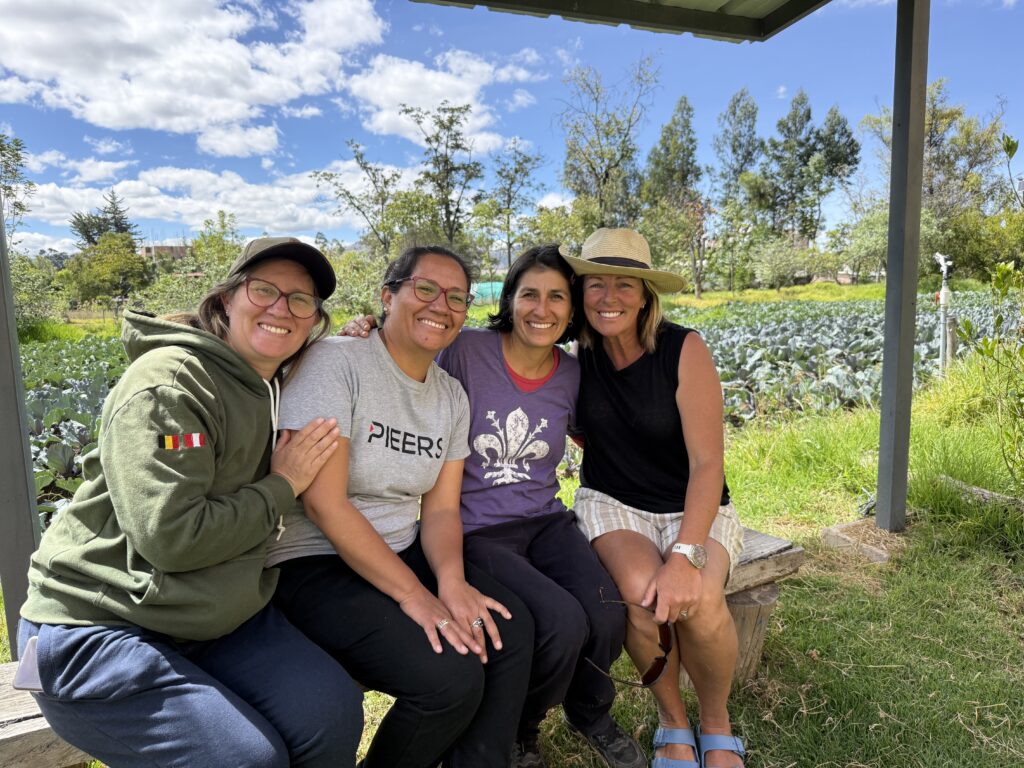
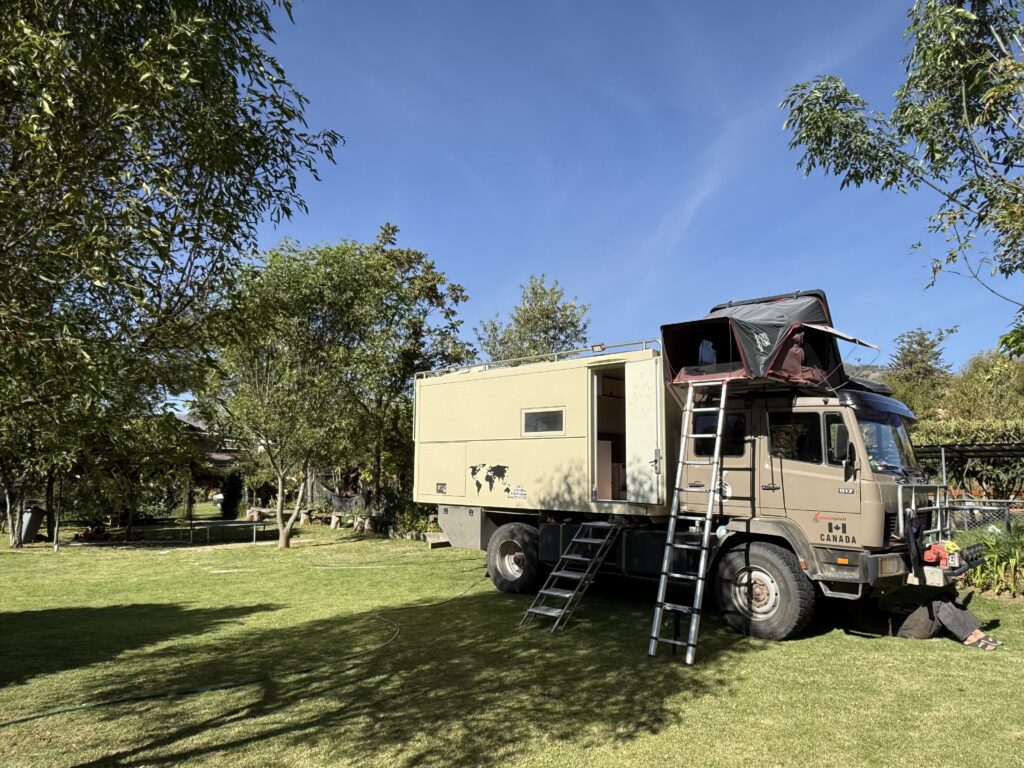
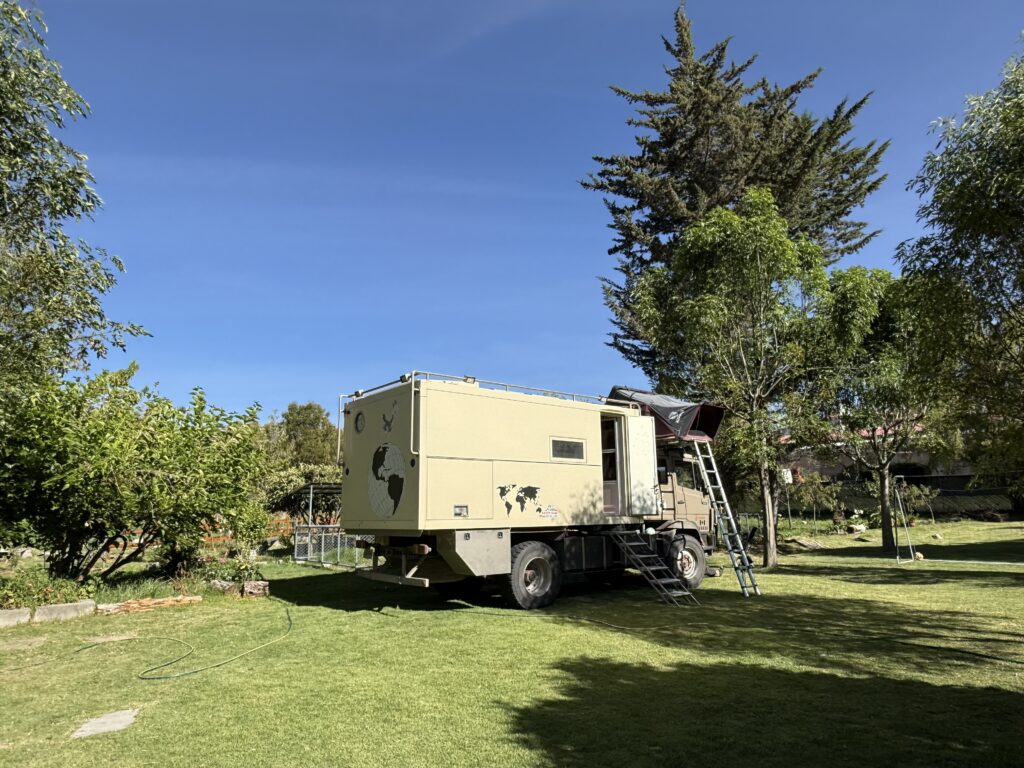
Back in Cajamarca, we retraced our route into the mountains to the farm we had visited on the way south. We received a warm welcome from the sisters, who told us we were their first-ever returning campers. We ended up staying three nights. Tim helped out with a few maintenance and repair jobs around the property, and we enjoyed the slower pace.
It was here that we met a lovely Dutch couple who shared some disappointing news. The smaller mountain border crossings into Ecuador had reportedly been closed for more than a year due to security concerns related to drug trafficking.
That meant our carefully planned route through the mountains was no longer an option.
Instead, we would have to retrace our steps yet again, head back down to the coast, and cross into Ecuador the same way we had entered.
The news landed hard.
CHANGING OUR MINDSET
I knew I needed to shift my mindset. Instead of focusing on what we still wanted to see, I needed to start thinking about logistics and how quickly we could move through Ecuador and Colombia. The coastal routes weren’t considered the safest right now, while the Amazon route would add far too many kilometres and not enough time to properly enjoy it.
As if we needed one more complication, just as we were leaving the farm, the Dutch girls returned with news of a blockade near Piura. Rice and banana farmers were protesting collapsing crop prices while production costs continued to rise.
We didn’t know any details, but one quick look at the map confirmed the obvious. Of course it was directly on our route. We had no choice but to keep heading north and see how bad it really was.
HELL TRAFFIC IN CHICLAYO
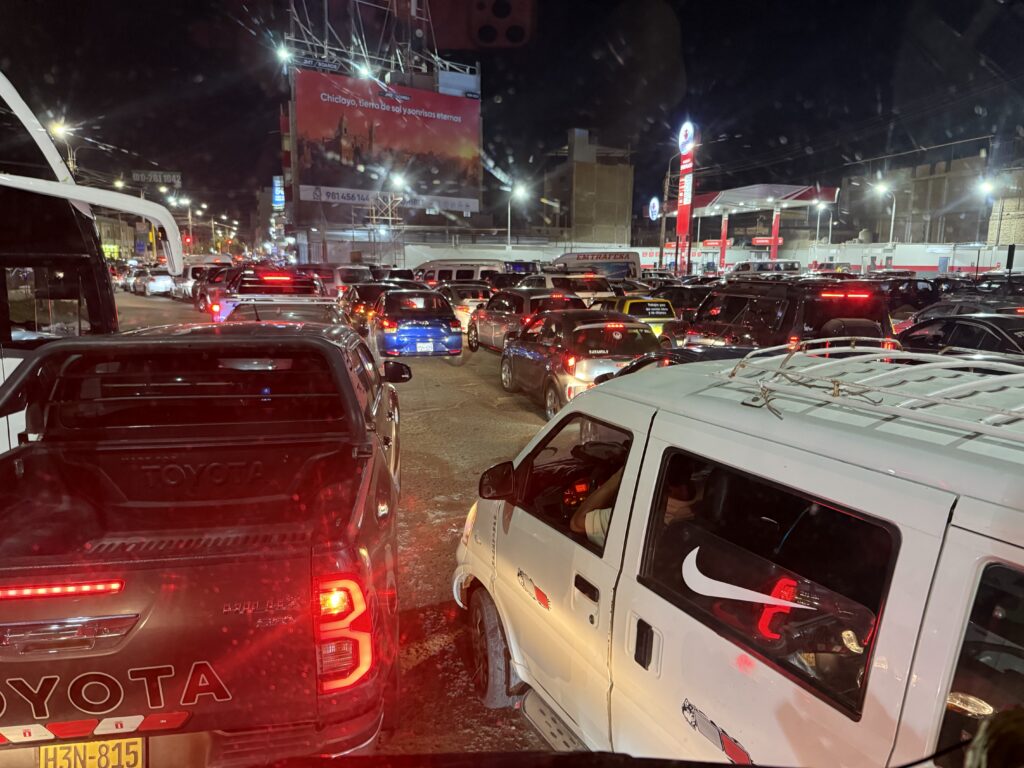
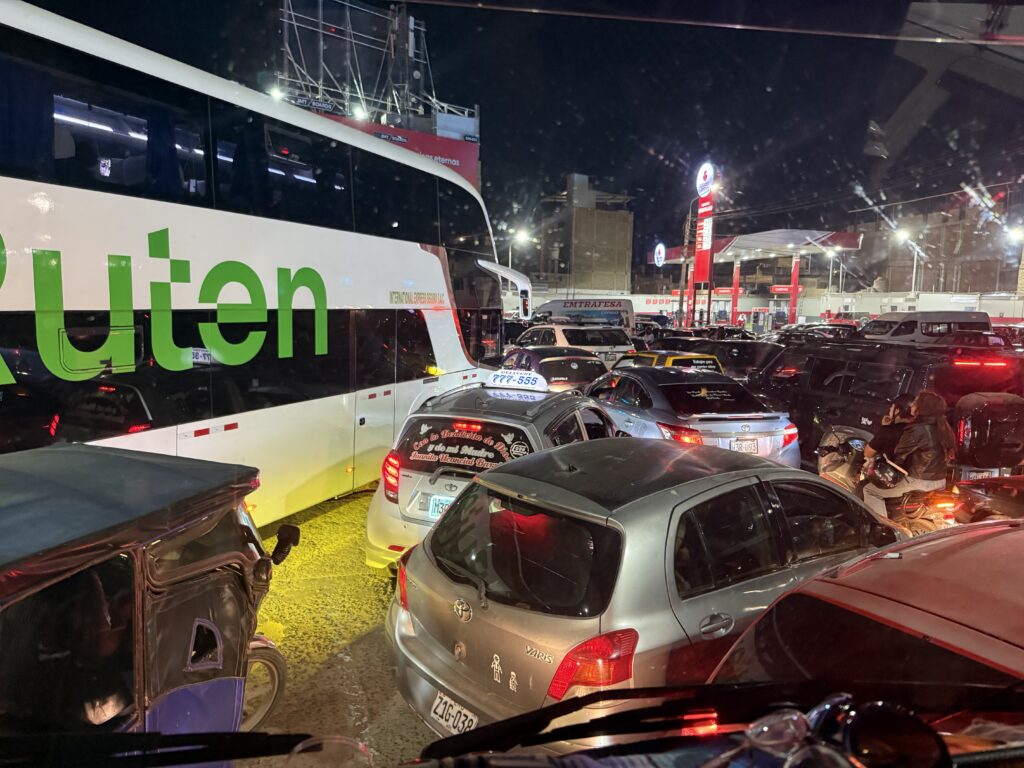
Taking a different road, we wound our way back down to the coast and continued north towards Chiclayo. After missing the bypass, we found ourselves driving straight through the city centre in horrendous traffic.
At one roundabout we sat completely gridlocked for nearly an hour. Horns blared endlessly while tuk-tuks squeezed into every tiny gap, making the situation even worse. Eventually the police arrived, only to be greeted by a barrage of abuse from frustrated drivers.
By the time we finally escaped the city, it was late. Not wanting to camp anywhere near Chiclayo, we pushed on until a toll booth attendant informed us we could go no further. The roadblock was ahead. With few options available, we pulled into a gas station and paid five dollars to spend the night. It wasn’t ideal, but it would do.
The following morning the roads were still closed. I couldn’t believe our bad luck.
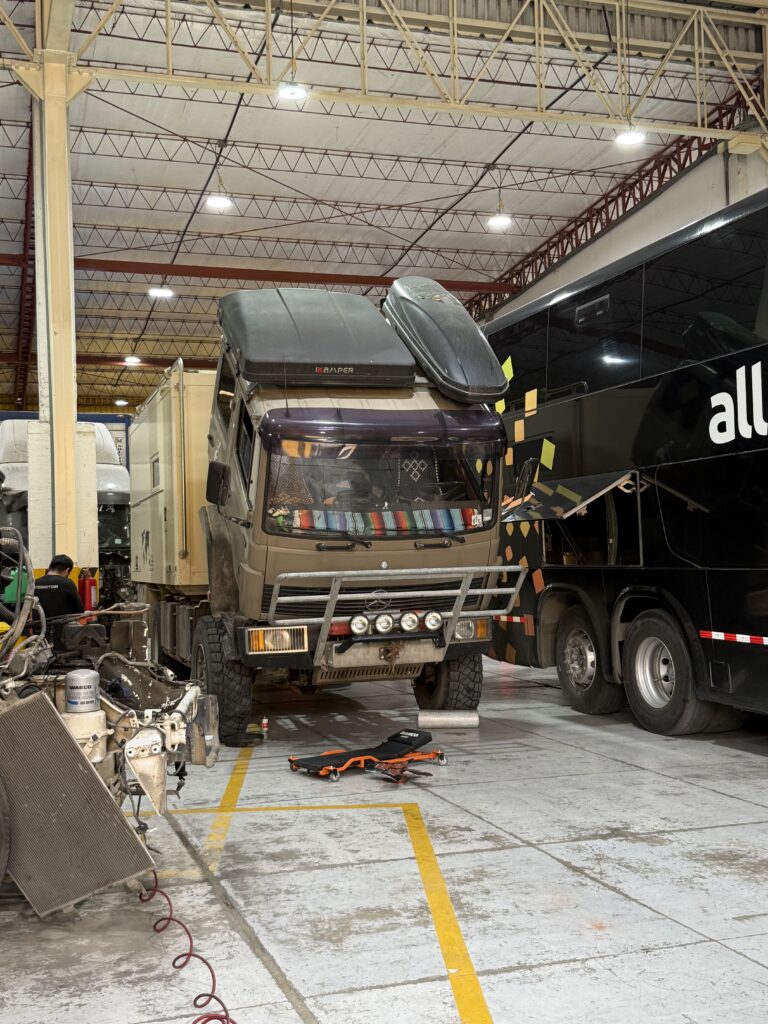
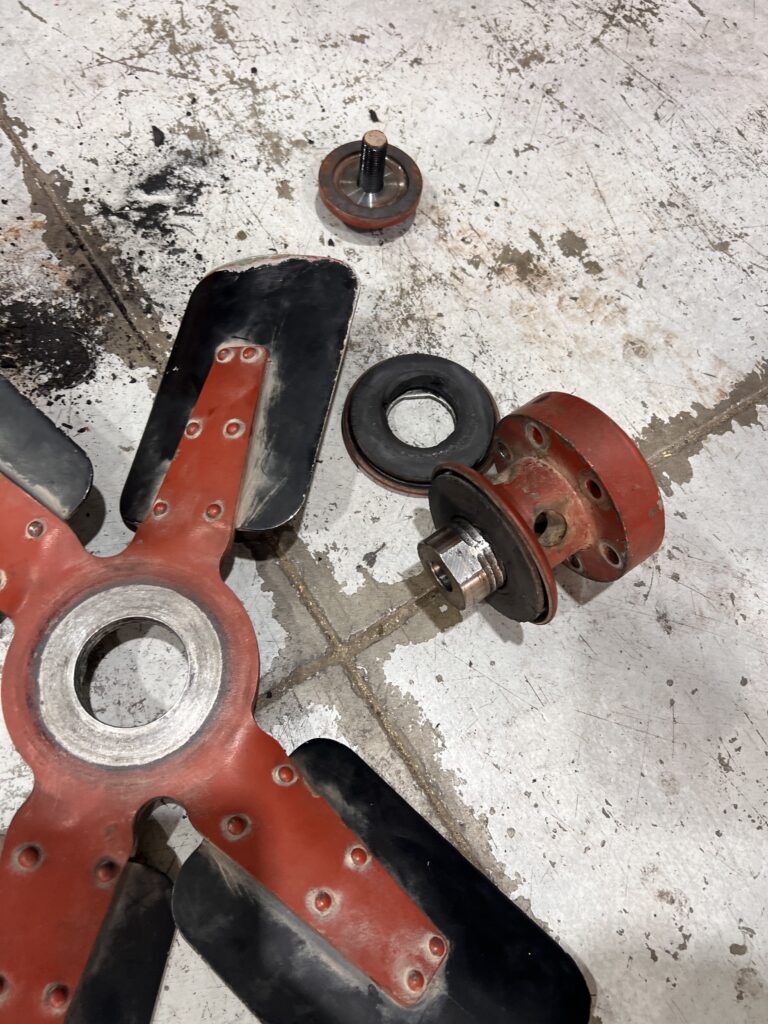
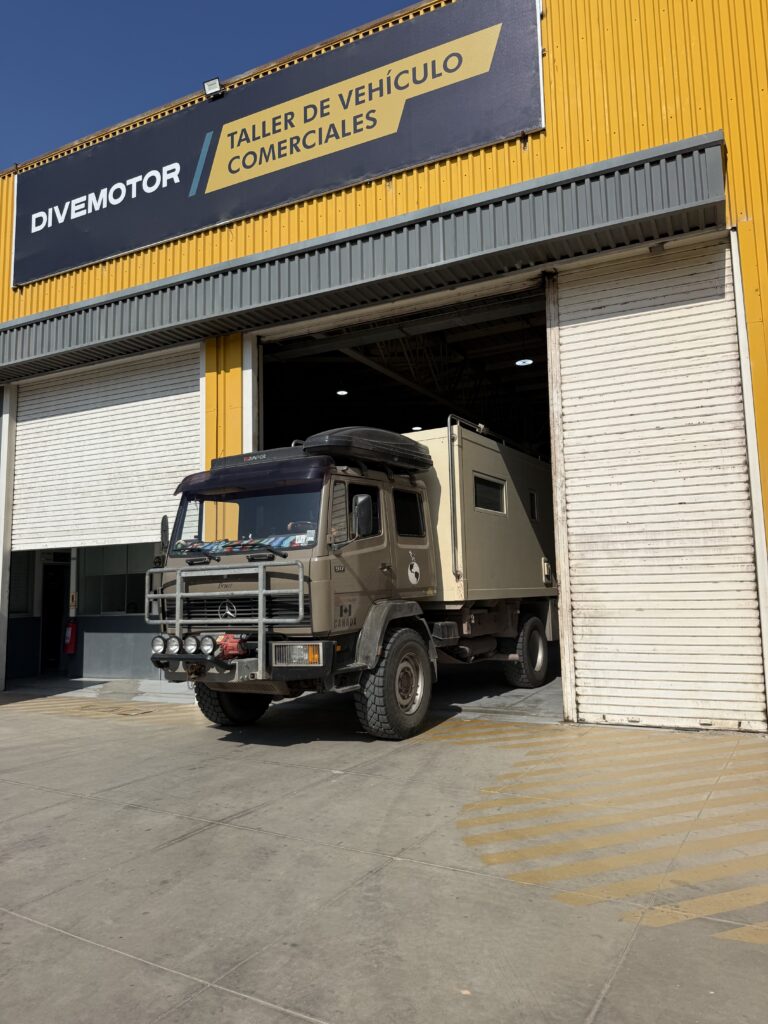
With nowhere to go, we retraced our route to a recommended Mercedes workshop that was able to fit Bruce in immediately. Ever since Ushuaia, the engine fan had occasionally been rubbing against the shroud. Tim had adjusted it several times, but lately it had been slipping out of alignment almost daily.
It was time to fix it properly.
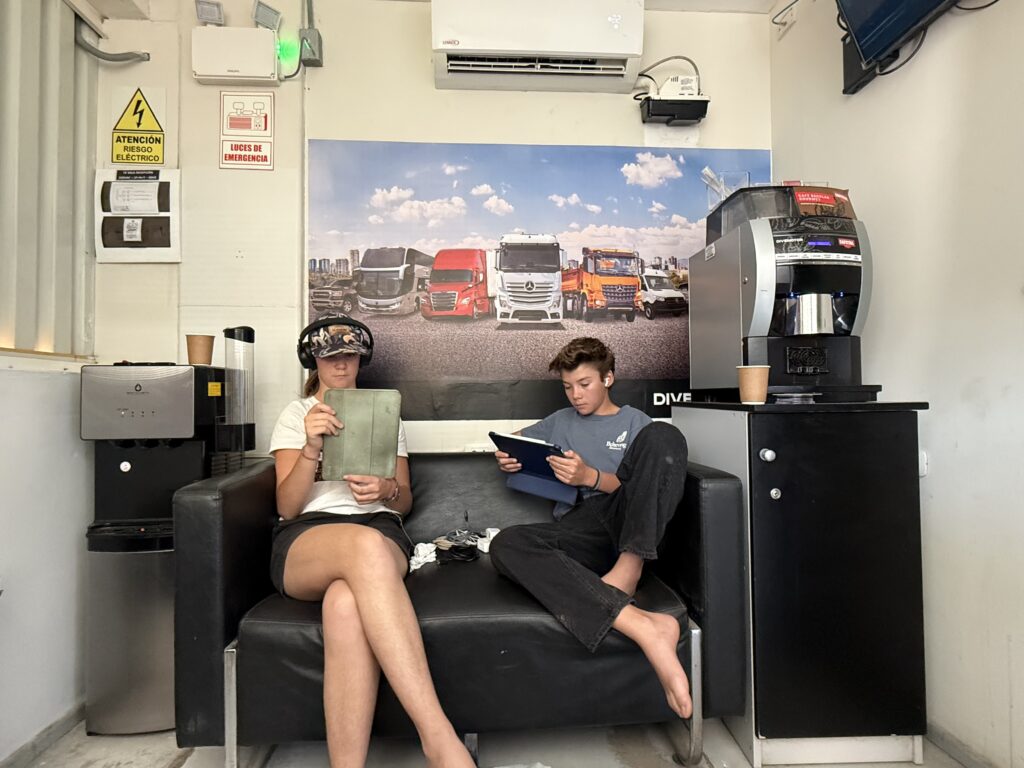
As it turned out, the entire rubber mounting assembly had perished, allowing metal-on-metal wear. While the mechanics worked, the kids and I spent the day in the surprisingly comfortable air-conditioned waiting room, complete with free Wi-Fi and a coffee machine. I caught up on writing while the kids tackled some schoolwork.
Later that afternoon we flagged down a collectivo and headed into town, wandering through the streets before ending up at an unexpected highlight.
SIPÁN MUSEUM
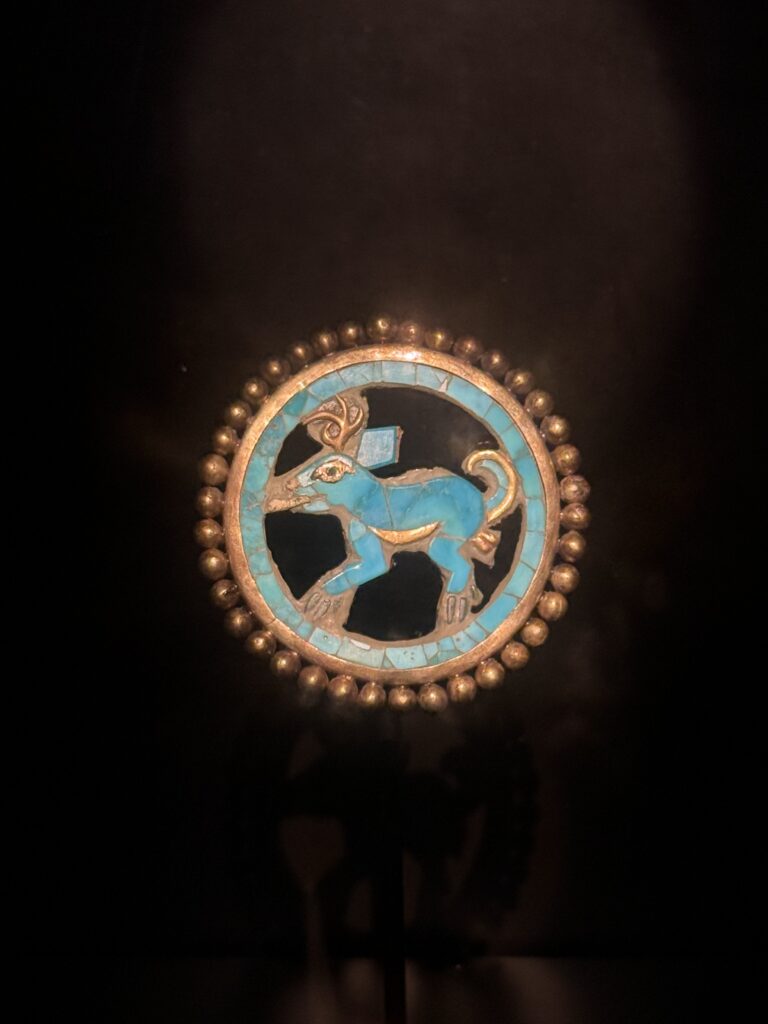
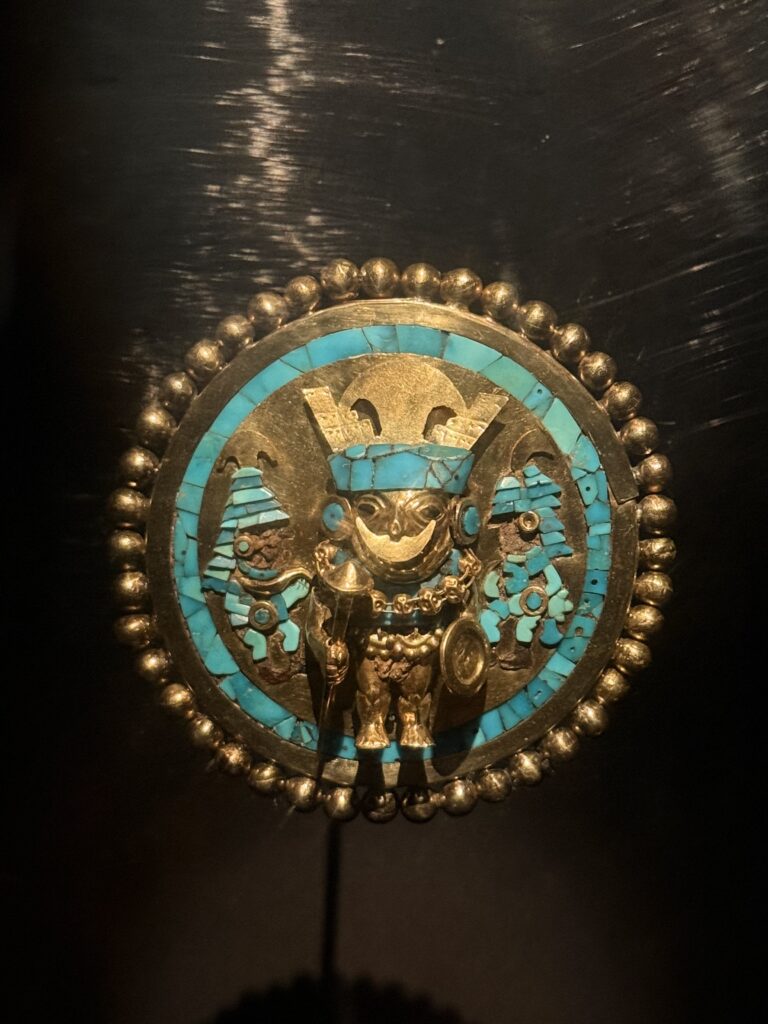
Visiting the Museum of the Royal Tombs of Sipán was a wonderful surprise and an excellent way to fill an unexpected day.
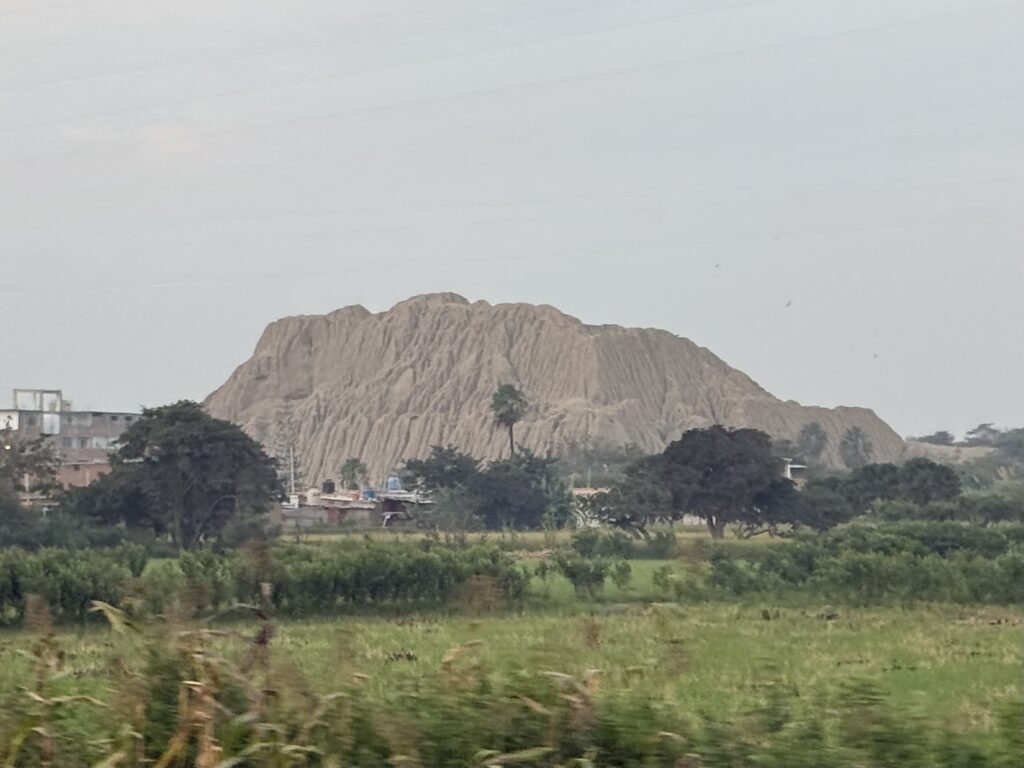
Designed to resemble one of the ancient adobe pyramids built by the Moche people, the museum tells the story of a remarkable civilization that flourished along Peru’s northern coast between approximately AD 100 and 800.
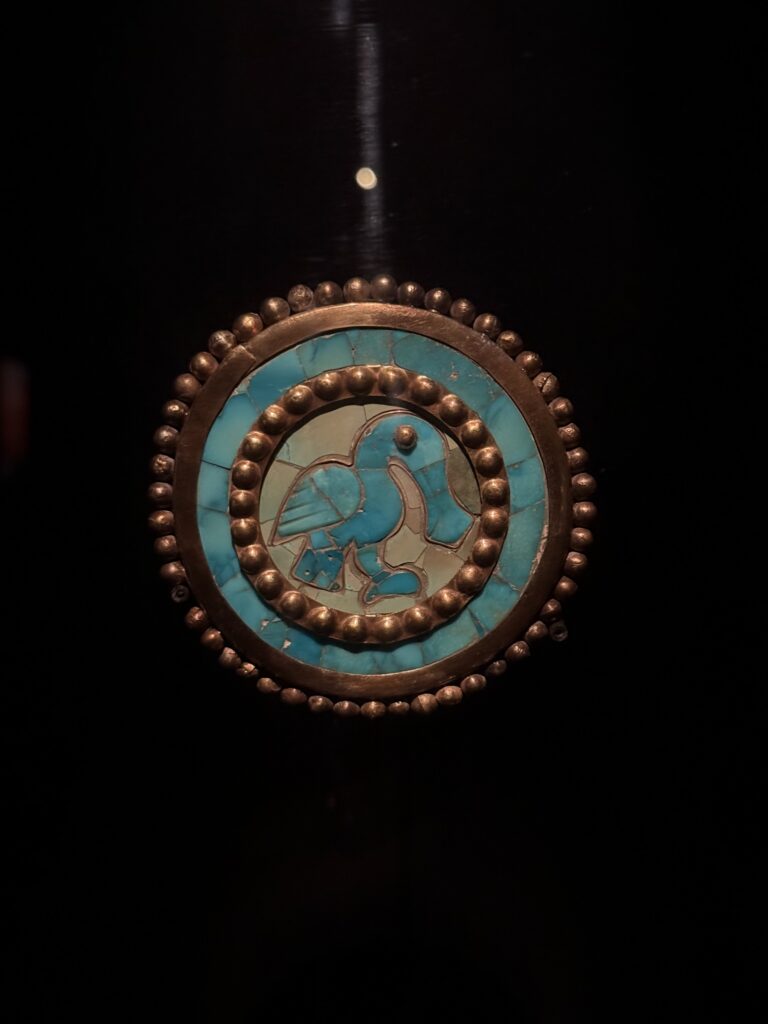
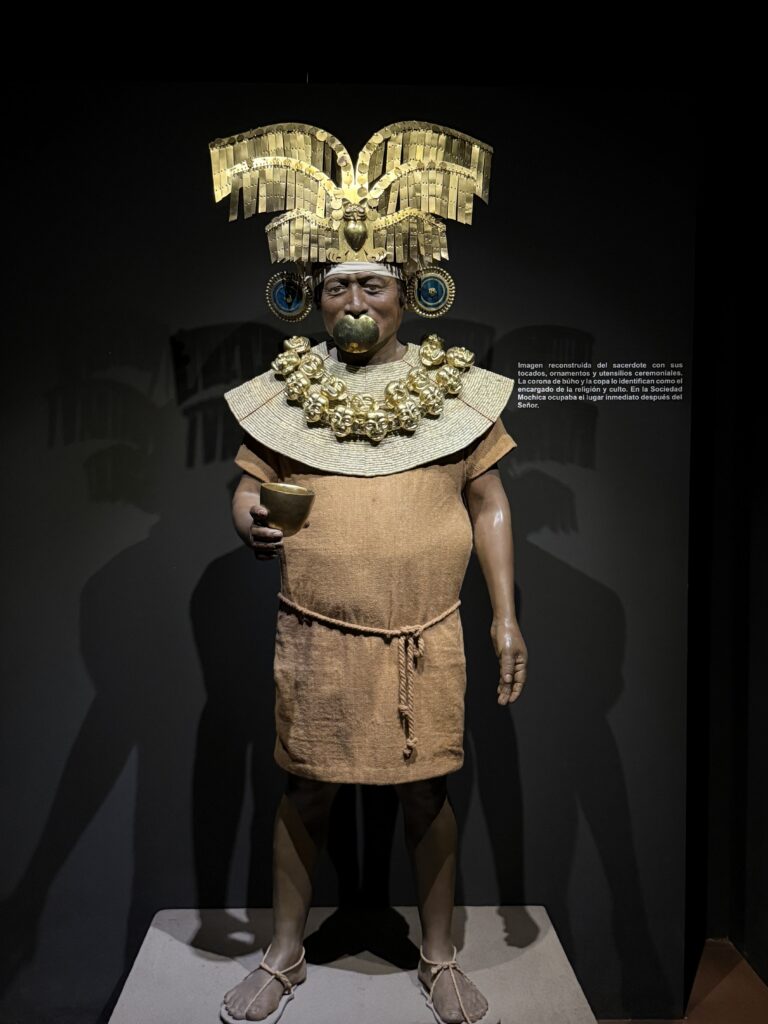
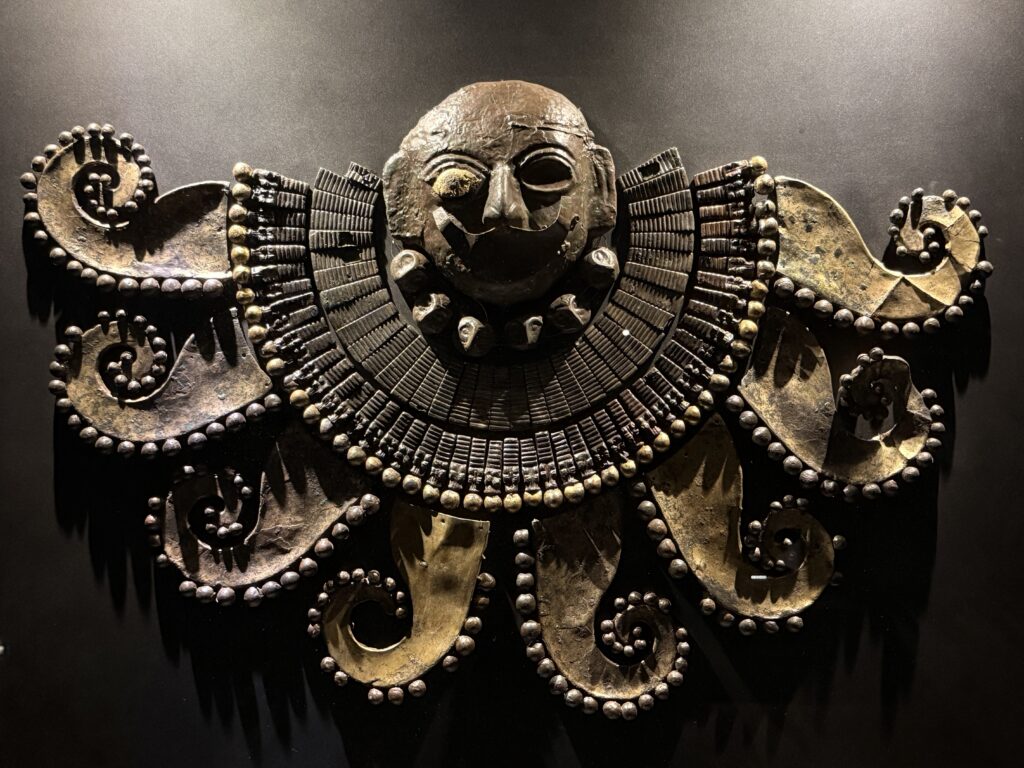
The museum houses the treasures discovered in 1987 at nearby Huaca Rajada, where archaeologists uncovered the intact tomb of the Lord of Sipán, a powerful ruler buried around AD 300.
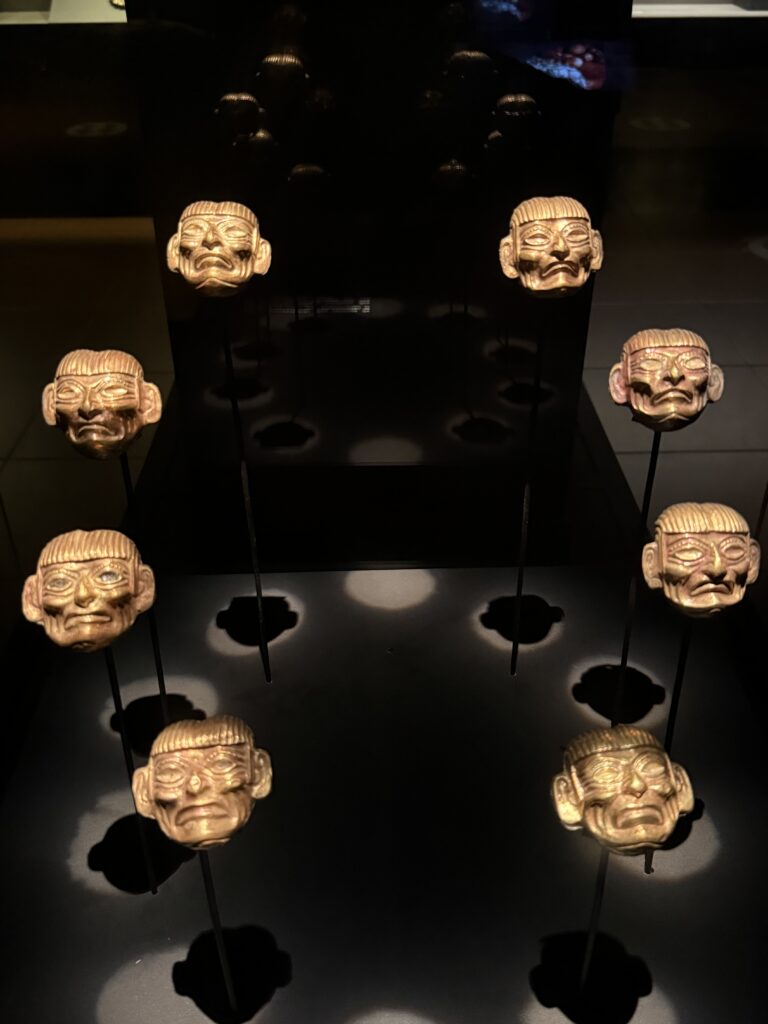
Walking through the exhibits, it was impossible not to be impressed by the sophistication and wealth of the Moche culture. Thousands of artefacts have been painstakingly restored and placed on display, including intricate gold and silver jewellery, ceremonial weapons, masks, pottery, and elaborate burial offerings.
The museum does an exceptional job of bringing the Moche people, their pyramids, and their history to life, making it one of the most impressive archaeological museums we have visited in South America.
TAKEN FOR A RIDE
Making our way back to the workshop turned into a small adventure of its own.
The workshop was only three kilometres from town, but the collectivo driver seemed determined to take us somewhere entirely different. He kept insisting we’d be dropped off in “about ten minutes,” even as we continued several kilometres beyond where we needed to be, heading back towards the city.
Eventually we’d had enough. We asked him to pull over and I demanded our money back. To my surprise, he actually refunded three of the eight soles we’d paid. They didn’t care where we wanted to go — they just wanted the fare.
Laughing at the absurdity of it all, we crossed the road and flagged down another collectivo travelling in the correct direction. Back at the workshop, we discovered the truck still wasn’t finished.
Without a functioning fan, we couldn’t drive far, having to spend the night parked on the shoulder of a busy highway, mere inches from a constant stream of passing traffic on a road that never sleeps. Nothing bad happened, but it was easily the most unpleasant night of camping we’ve had on the entire trip.
We had been promised the repairs would be completed by noon. At 5:00 p.m. we finally drove away. The good news was that the mechanics had done an excellent job. The worn rubber components had been rebuilt and replaced properly, and the fan now ran perfectly true.
Bruce was happy again. Three hundred US dollars later, so were we. But that’s life with an overland truck. Everything eventually needs maintenance, and these roads have not been gentle.
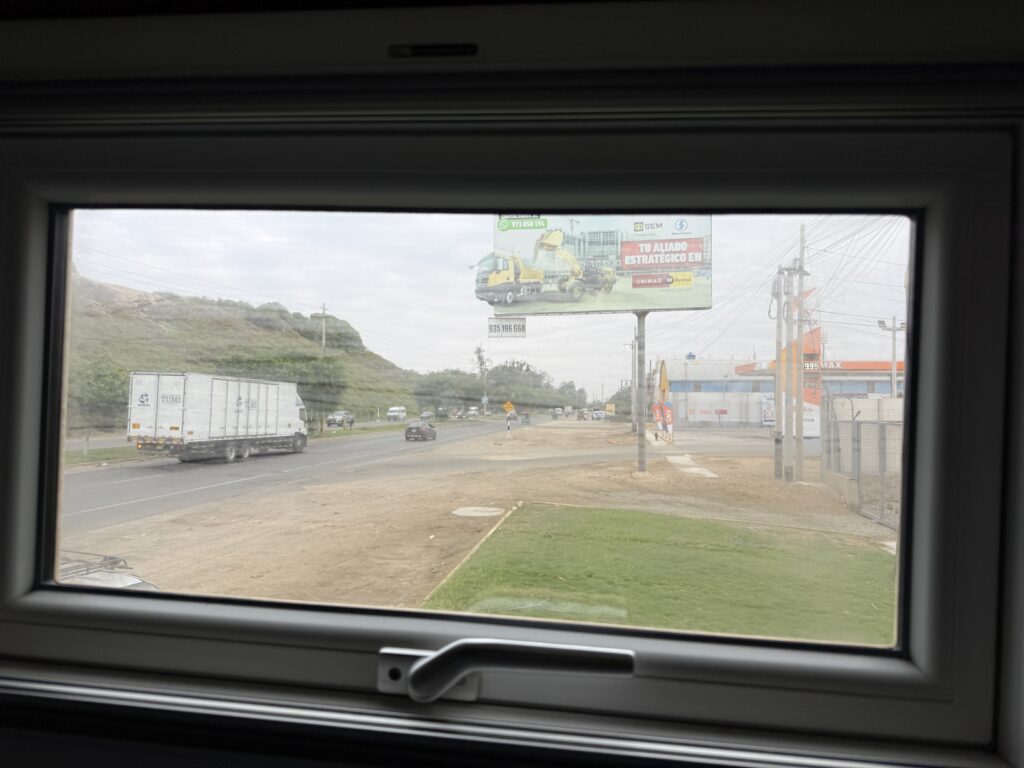
The road was still closed, so from the mechanics we turned inland towards Olmos, which offered a route around Piura which avoided the roadblocks. Progress, however, was slow. Village after village seemed determined to install a thousand topes, each one killing whatever momentum we’d managed to build.
Eventually we pulled into a quiet back street in a small community and spent the night.
The next day we reached Piura, a sprawling, chaotic city. We navigated a maze of narrow one-way streets trying to reach a water purification shop. After battling traffic for what felt like forever, we finally got within a hundred metres of our destination before being stopped by a low-hanging wire stretched across the road. The alternate route was dug up from road works.
Ugh. Defeated & frustrated we turned around and headed for the city limits.
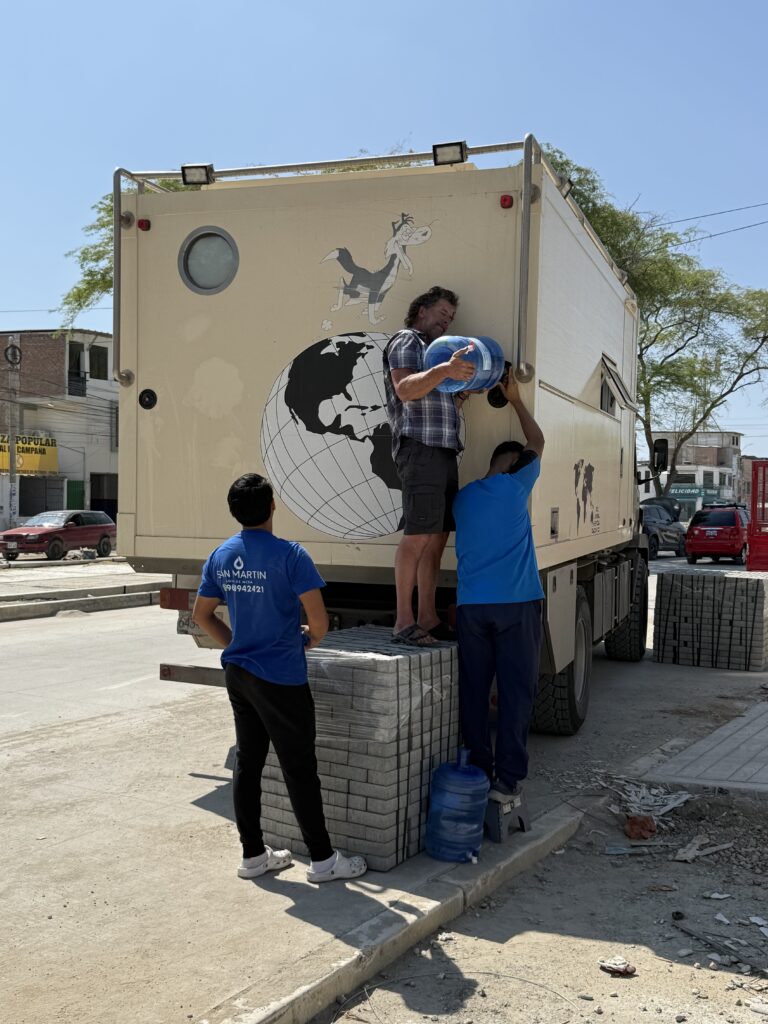
Ironically, not long afterwards we stumbled across another purification station. We pulled over and filled 185 litres of water for the grand total of about CAD $15.
An hour later we rolled into the beach town of Lobitos, parked beside the surf break.
2 Responses
I hope you guys get some smooth sailing soon. I will look up the history of the Moche. I always enjoyed learning about the Spaztecs and the Stinkuzz.
Safe travels, Gerry and Julie
I suspect you won’t head down to the coast to Buenaventura Columbia–our van and us were delivered there
from Panama–it was a drug port then but much bigger since (our trip 1970). n Anyway a while back I’m in Argentina and a chap says you know what they say about Buenaventura –“every port has a whorehouse–but Buenaventura is a Whorehouse with a port”–Oh major roadblocks inn Bolivia–even has made news–good luck.