
BACK INTO ARGENTINA
28 March. An early start meant driving straight into the rising sun—blinding at times—and a near miss with a couple of sheep casually wandering down the middle of the road. The border crossing itself was straightforward. Exit Chile, enter Argentina. First to Migration, then to Aduana, once more back into Argentina. Only this time there was a full fruit and vegetable inspection—something we hadn’t encountered before.
And we were not prepared. Our fridge was full. With all these border crossings I’m loosing track of which country we’re in!
The inspector, thankfully, had a sense of humour. I negotiated as best we could: we were allowed to eat the bananas on the spot, keep the meat, but he claimed two perfect avocados, tomatoes, a red pepper, and an onion.
I made a heartfelt case for the avocados—given their price—and managed to save one. The apples he took… briefly. I quickly redistributed them to the kids for almost immediate consumption. All things considered, it could have been worse—he could have taken the marinated pork I’d prepped for dinner. Feeling lucky, we left with minimal loss.
RUTA 40
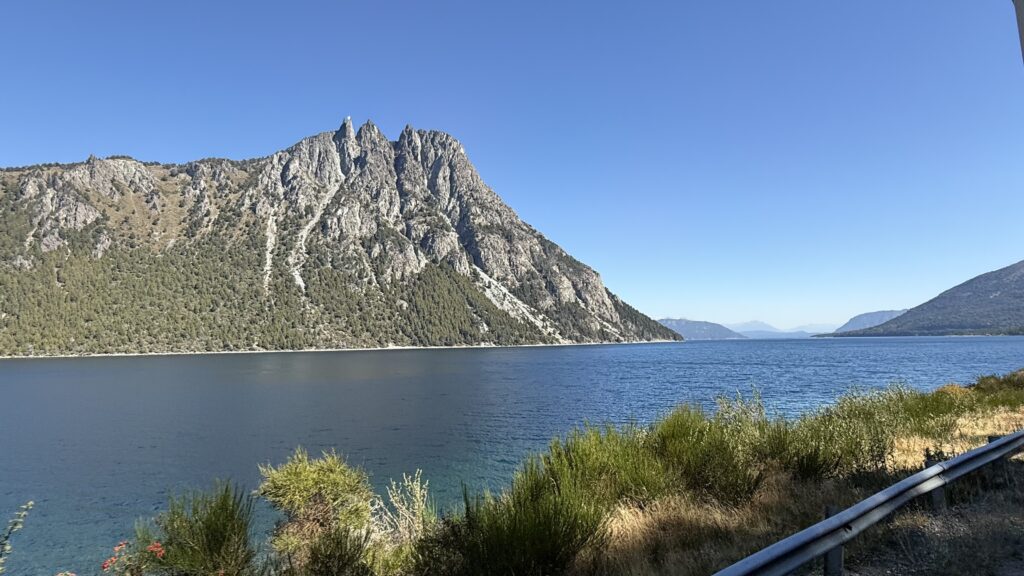
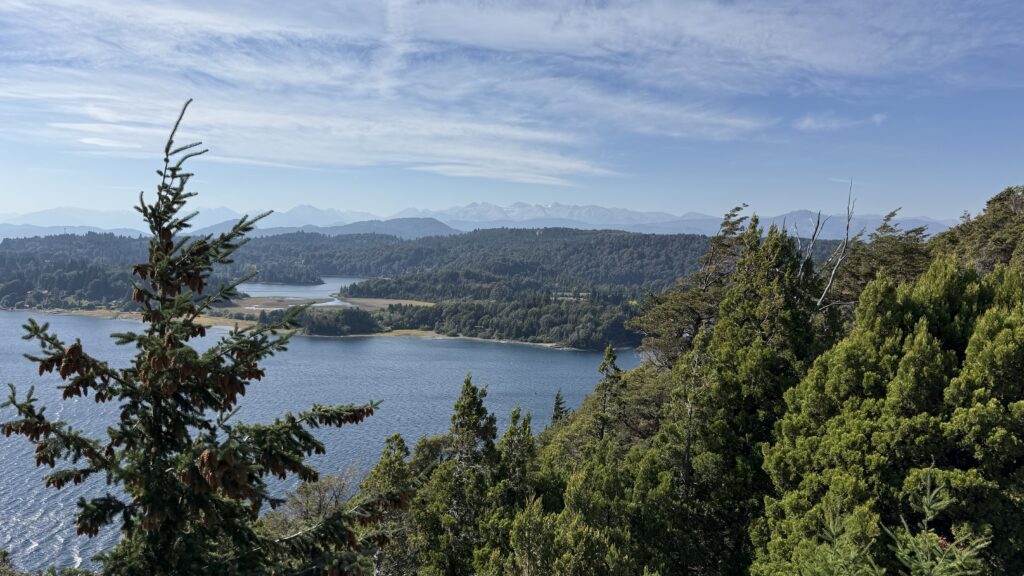
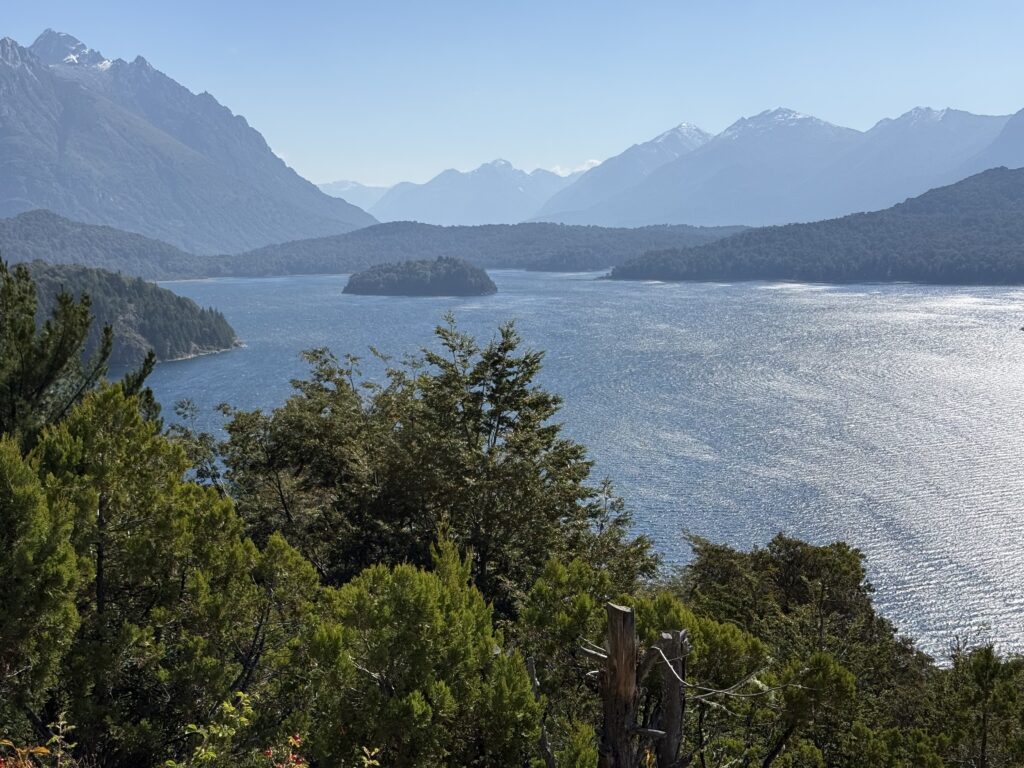
Once across the border, we joined Ruta 40. This section is often described as one of the most beautiful drives in the world.
And it could be. The landscape is stunning—deep blue lakes, forested hills, and mountains layered into the distance. But the experience is let down by neglect. Many of the roadside pullouts and viewpoints are strewn with rubbish, overgrown, or crumbling—what should be panoramic views was always hidden behind overgrown trees and scrub. Disappointing as we were looking forwards to today’s drive. Still, the beauty is there, you just can’t see it.
BARILOCHE
Sits on the shores of Nahuel Huapi Lake. San Carlos de Bariloche, is the proper name, but known more simply as Bariloche. First impressions is that it’s more Swiss alpine than Argentine, with its timbered buildings and mountain backdrop echoing the Swiss Alps.
Founded in the early 1900s and shaped by European—especially Swiss and German—immigrants, Bariloche grew from a remote trading post into a gateway to Nahuel Huapi National Park, Argentina’s oldest national park. That heritage still lingers in its architecture, and we hear the food, and chocolate culture.
Today, I’m told it’s a place of contrasts—busy streets and boutique shops around the city center, with wild Patagonia ski fields for a backyard. We passed through quickly as it also has a reputation. Quick, opportunistic vehicle break-ins are common, especially for travellers. Our plan was simple: follow the waterfront, loop around the park, and head out to find a camp for the night—meeting up with Mario and Wenke.
Which is exactly what we did. We bumped into them sitting in the carpark of a grocery store and later moved to a wild camping spot out of town. Actually before leaving the carpark they buzzed off for an ice cream, Tim Jaxon & I went into the grocery store leaving Charley in the truck for safety. We weren’t gone 5 mins when there was a bit of commotion when we got back. The supermarket manager had come out as a shopper had reported some men were trying unsuccessfully to break into Mario & Wenke’s truck.
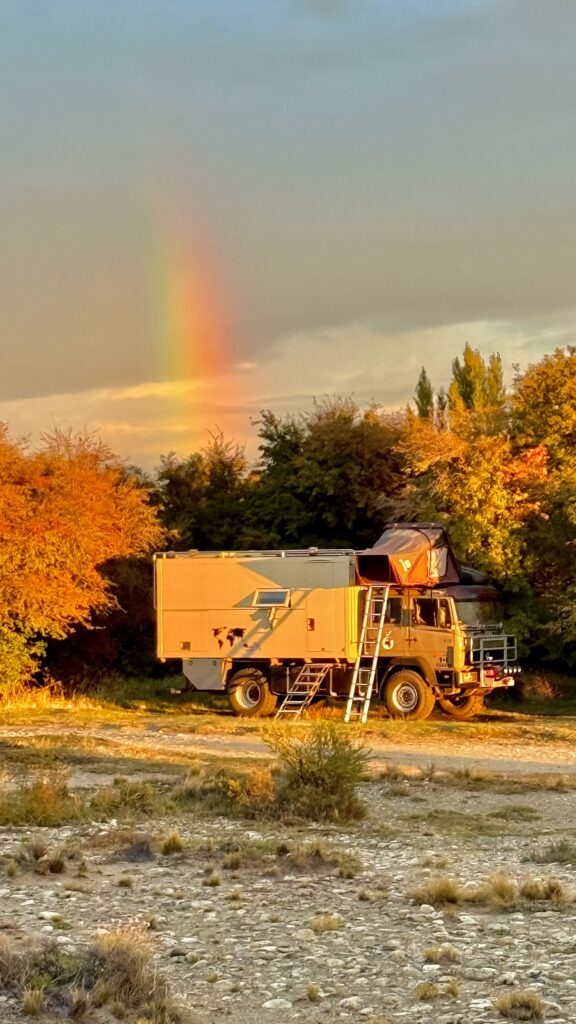
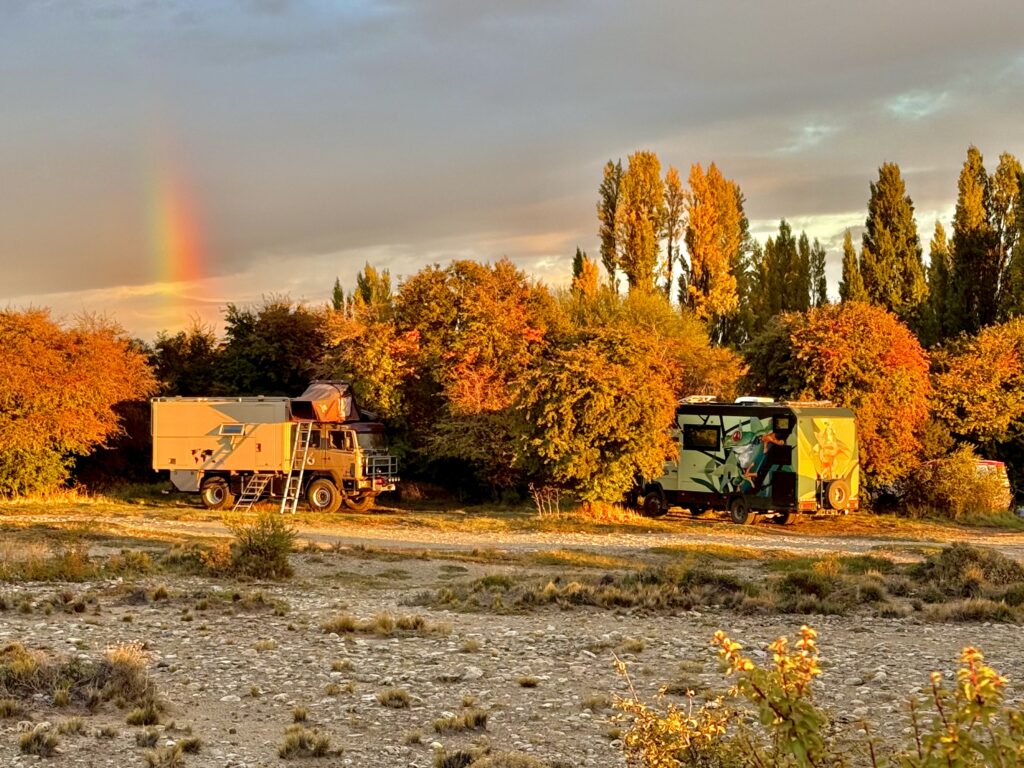
Time to get out of the city, we drove together out of town and wild camped on a nice piece of land beyond the airport. Which didn’t operate at night. We had a nice evening catching up before pulling out around 10am the next day. We estimate we’ll see them again in Santiago, Chile as they too need to take their truck to Kauffman Mercedes.
RUTA 40 to the Rn-26, NORTH
Retracing our steps along the lakes, we rolled into the pretty lakeside town of San Martín de los Andes, a winter ski and summer lake resort. Once again, we didn’t stop—just a slow loop through town, taking it in as we went. It’s a beautiful town on the water, clean and organized… the Swiss-German-Austrian influence is everywhere along this route.
We didn’t linger here either, again, too many reports of break-ins. We’ve seen many towns and don’t want to risk the truck being damaged by someone trying to break in. We kept going.
Turning off the 40 onto the 26, everything changed almost immediately.
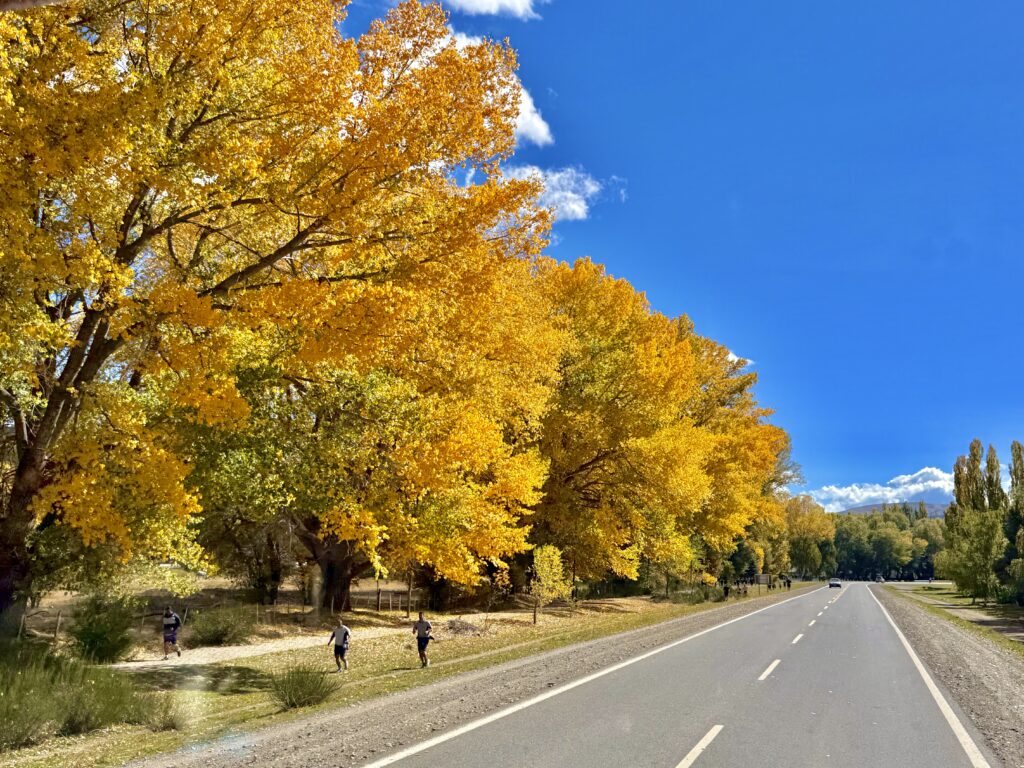
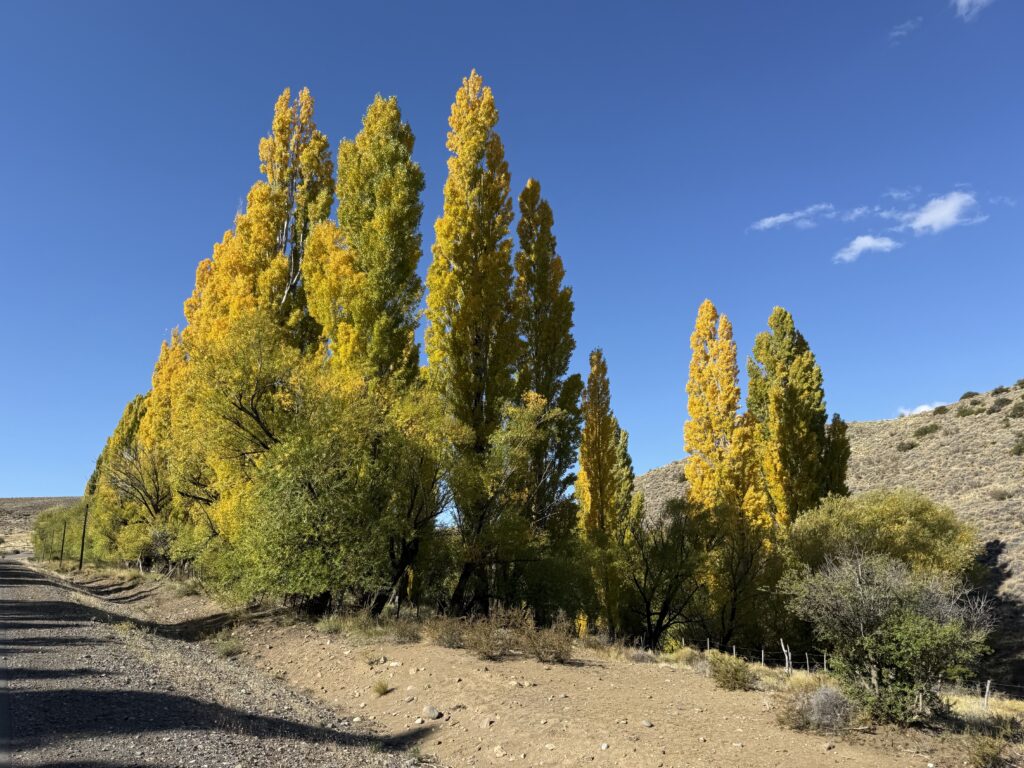
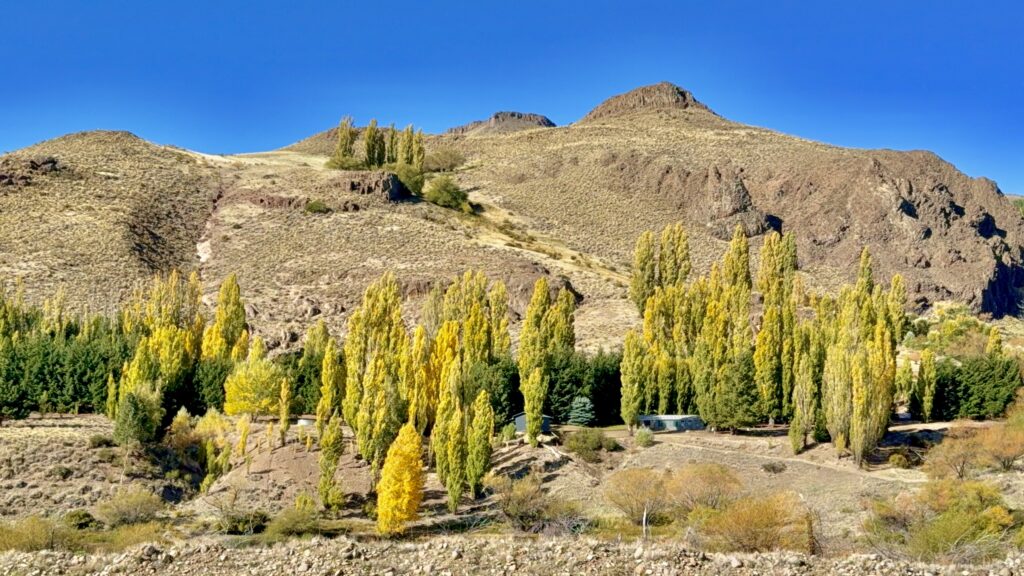
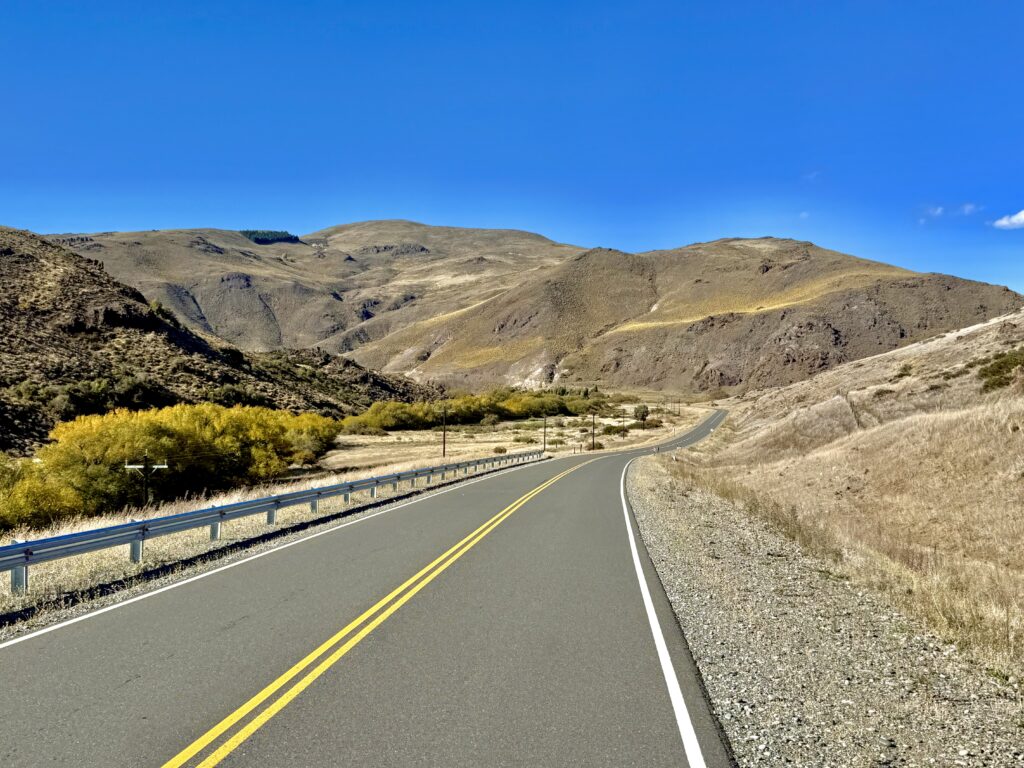
The quiet road became quieter. Like a long Sunday drive in the country side, we followed the river upstream, Autumn had arrived trees shifting from green to gold, lighting up the banks. Remind me again like parts of New Zealand. Peaceful rural life.
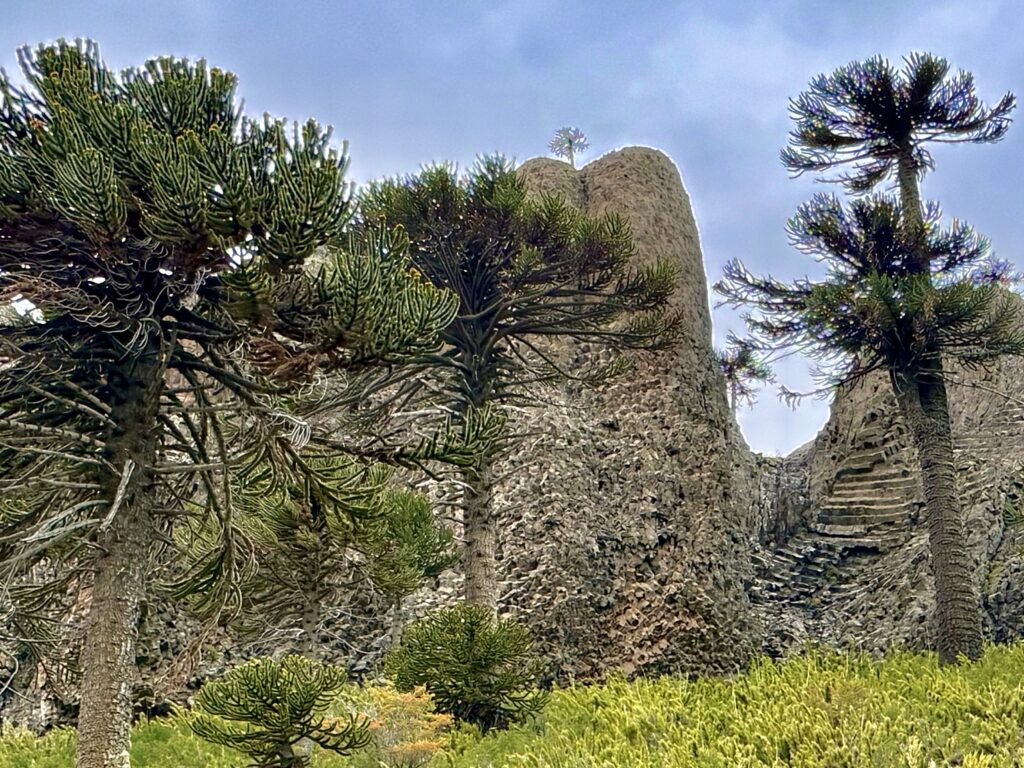
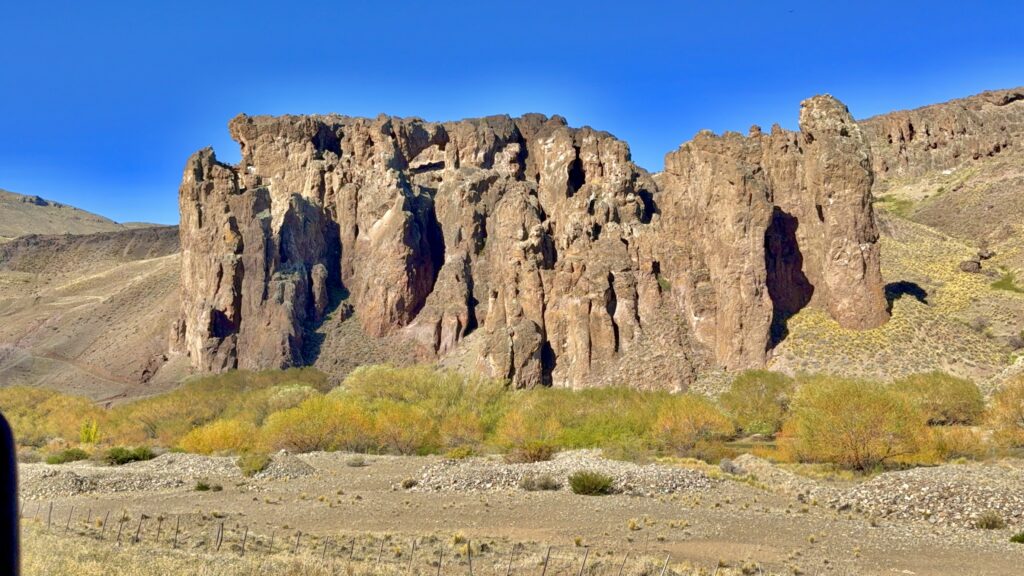
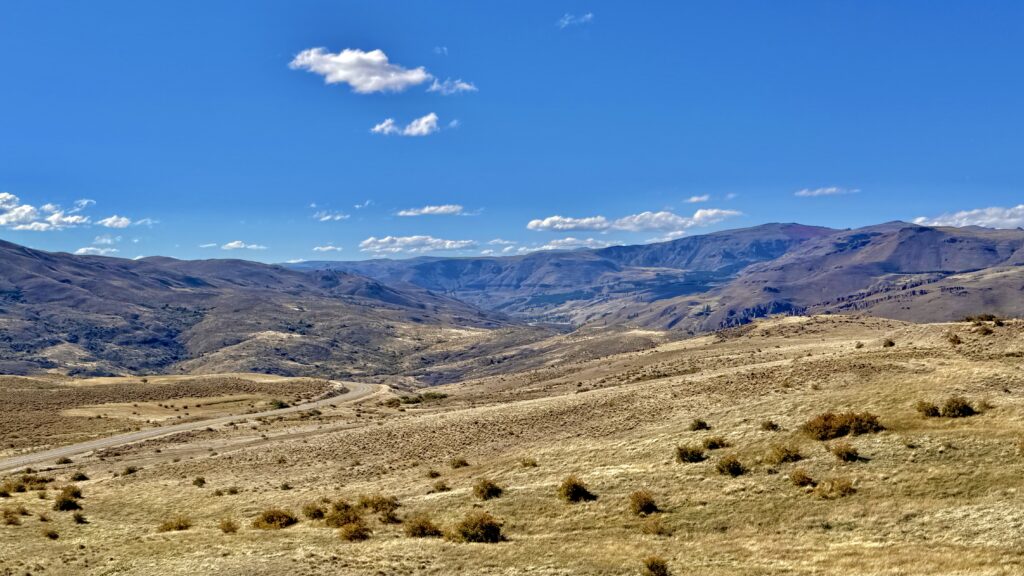
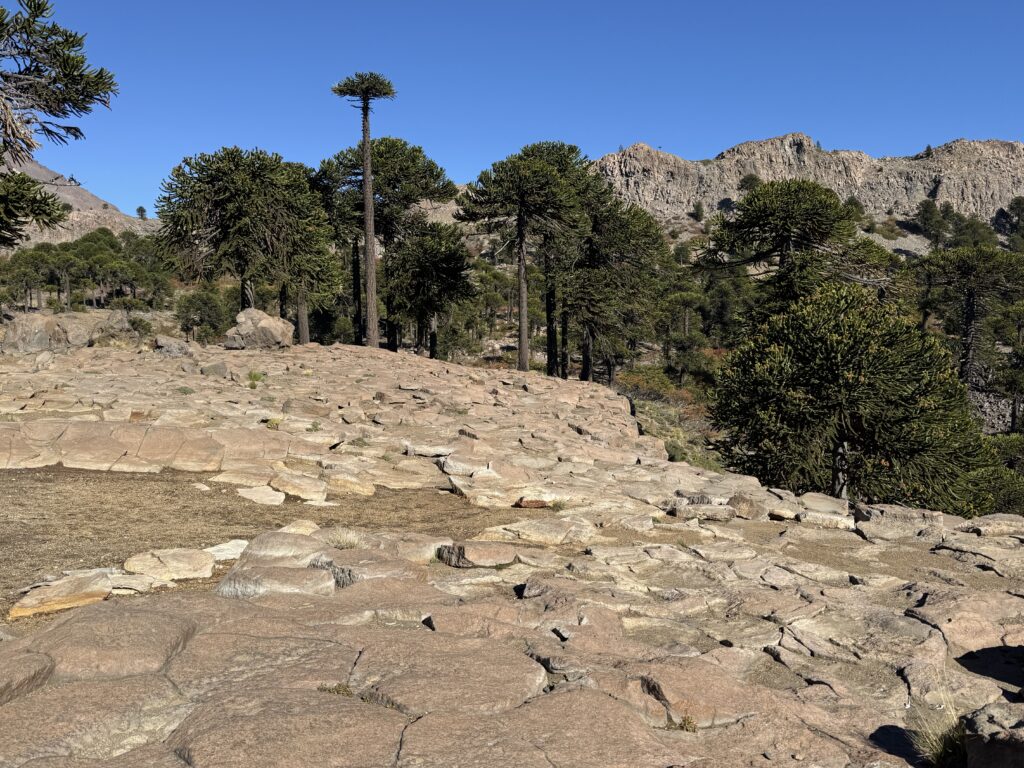
Then the pavement ended. Back to gravel, but graded with gentle washboard where we could maintain our speed. As we moved deeper into the Norquín Region, the landscape shifted again. Volcanic. Raw. Black and rust-coloured rock formations rising out of nowhere. Basalt columns stacked, carved by natures forces. And then the monkey puzzle trees started to appear. Ancient, spiked, almost unreal—Araucaria araucana scattered across the hills. It felt like we’d slipped backwards in time.
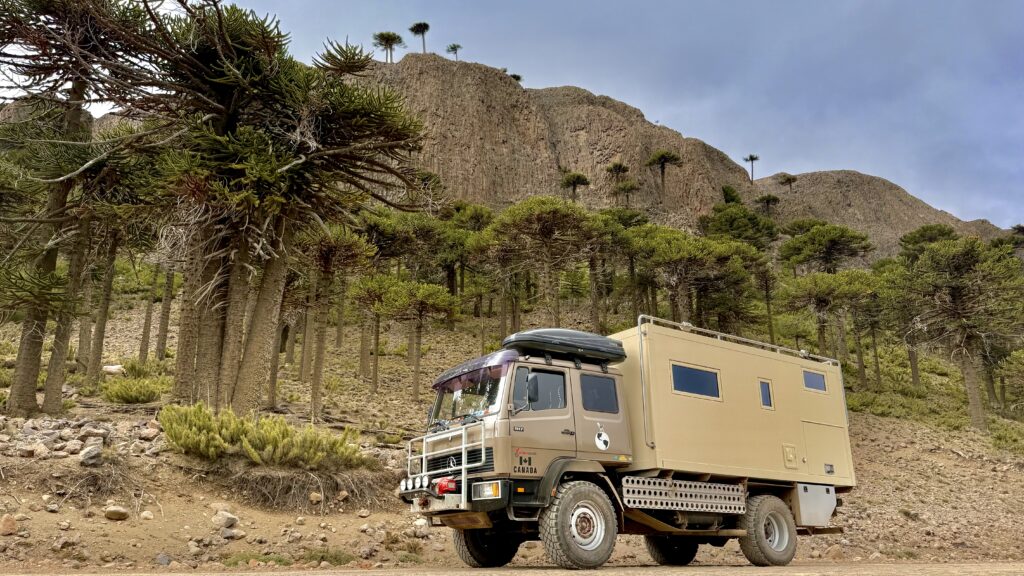
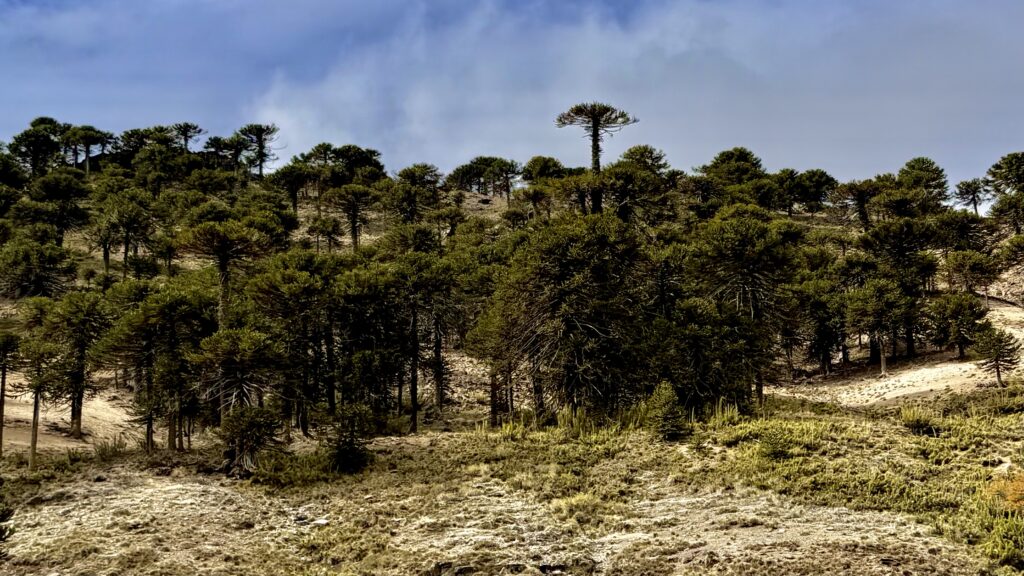
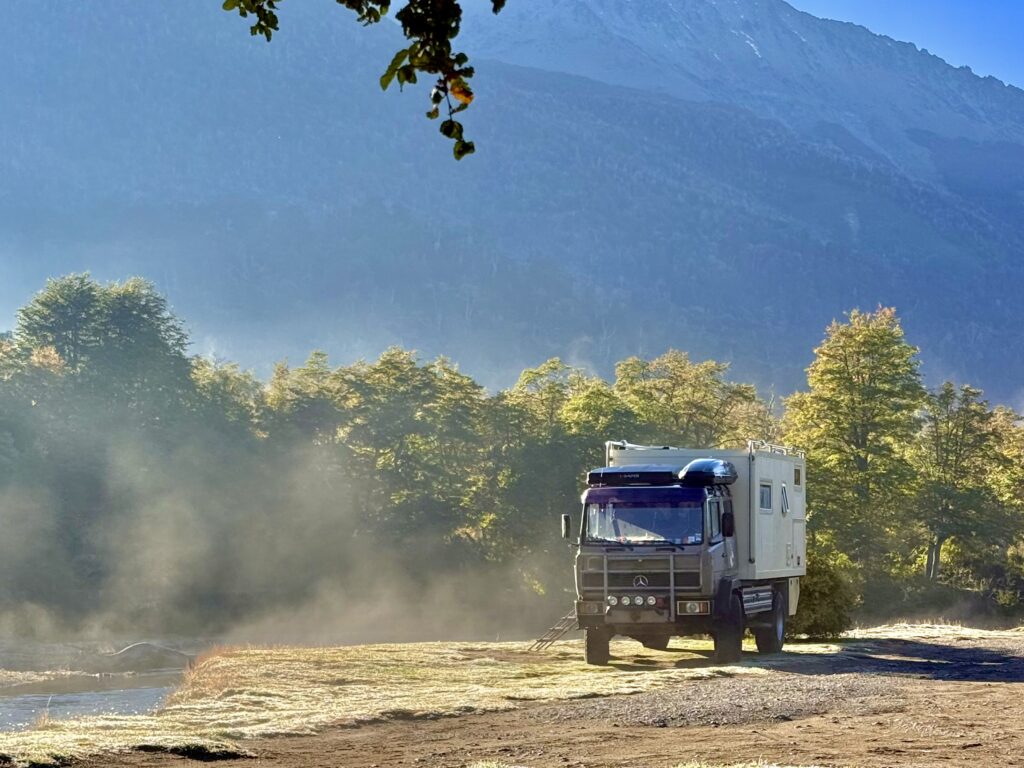
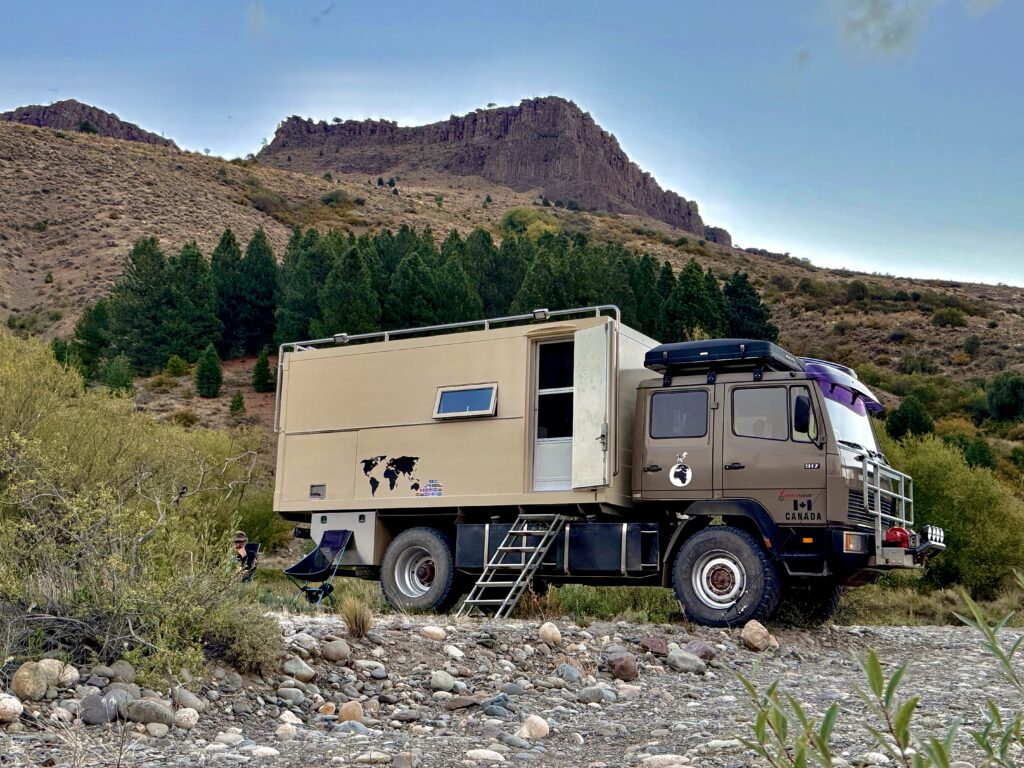
We found a quiet place to camp by the river that night. Not long after, a police truck pulled in. Passports checked, a few questions… then a smile and reassurance that it safe here. And off they went.
Jaxon climbed into the roof tent which has been getting plenty of use. The sky was full of stars. Another beautiful day done.
LAGO CAVIAHUE
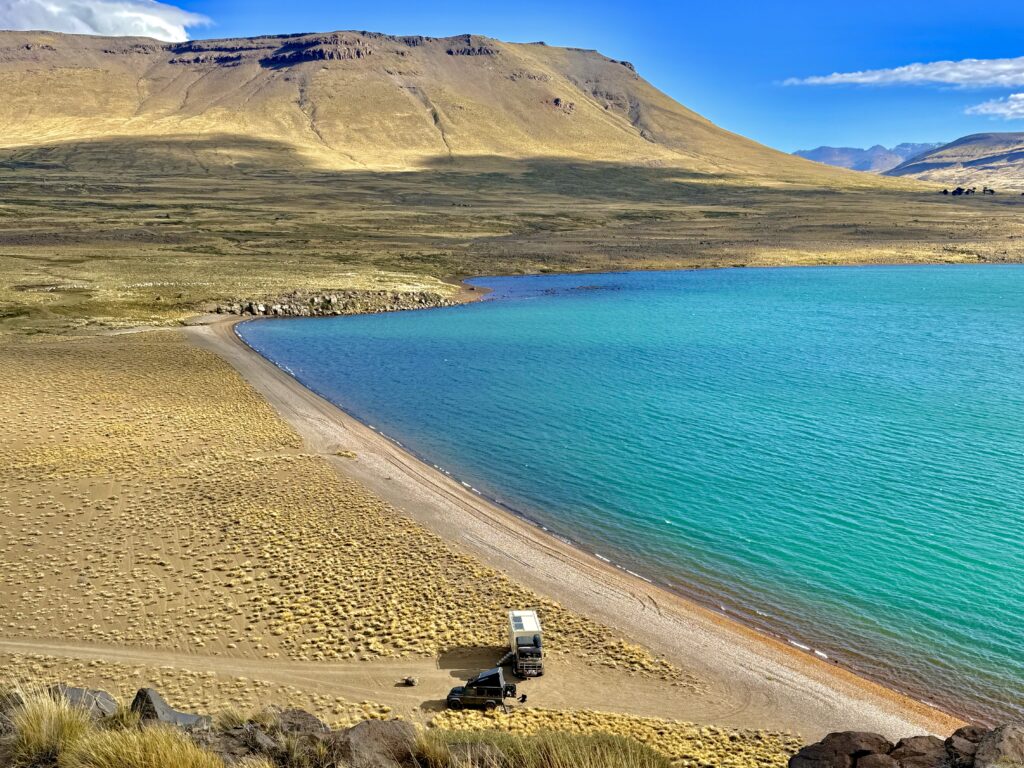
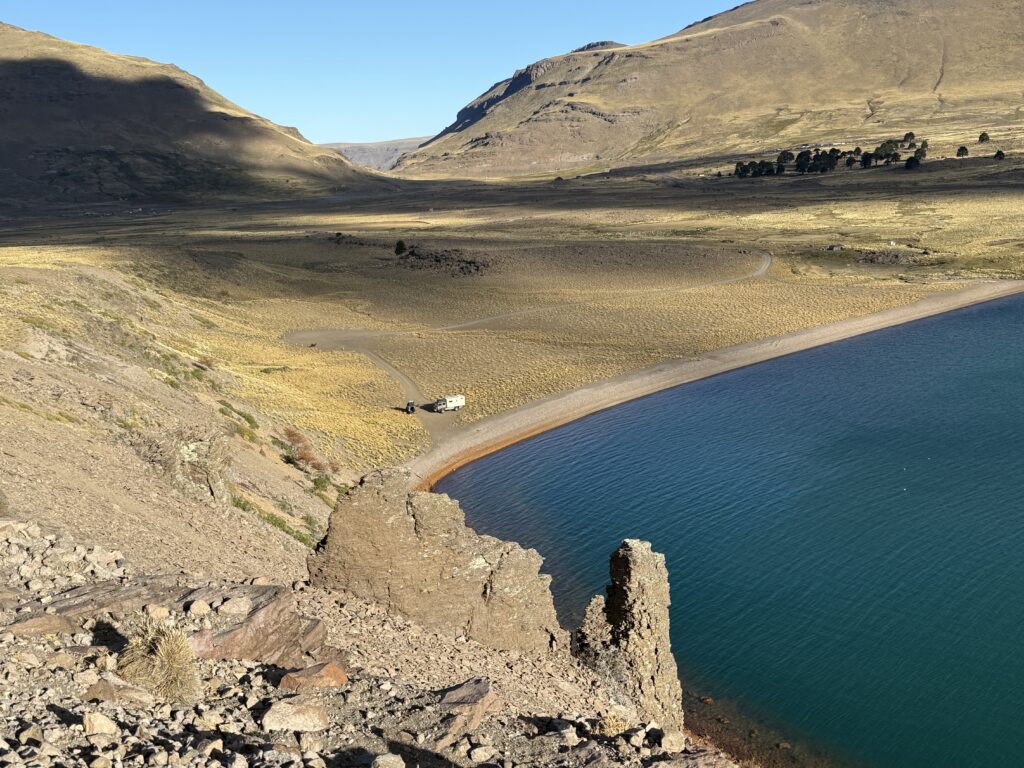
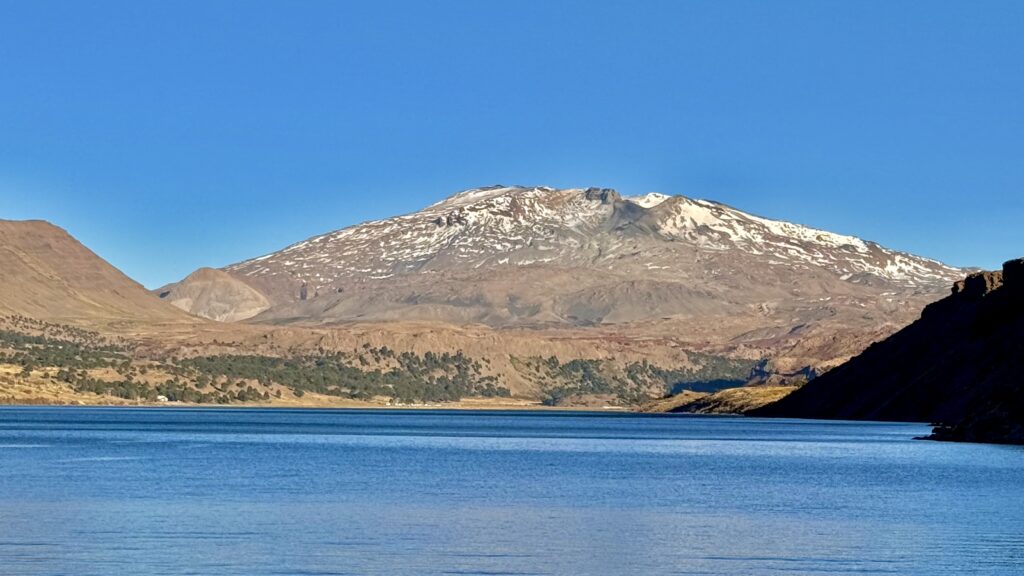
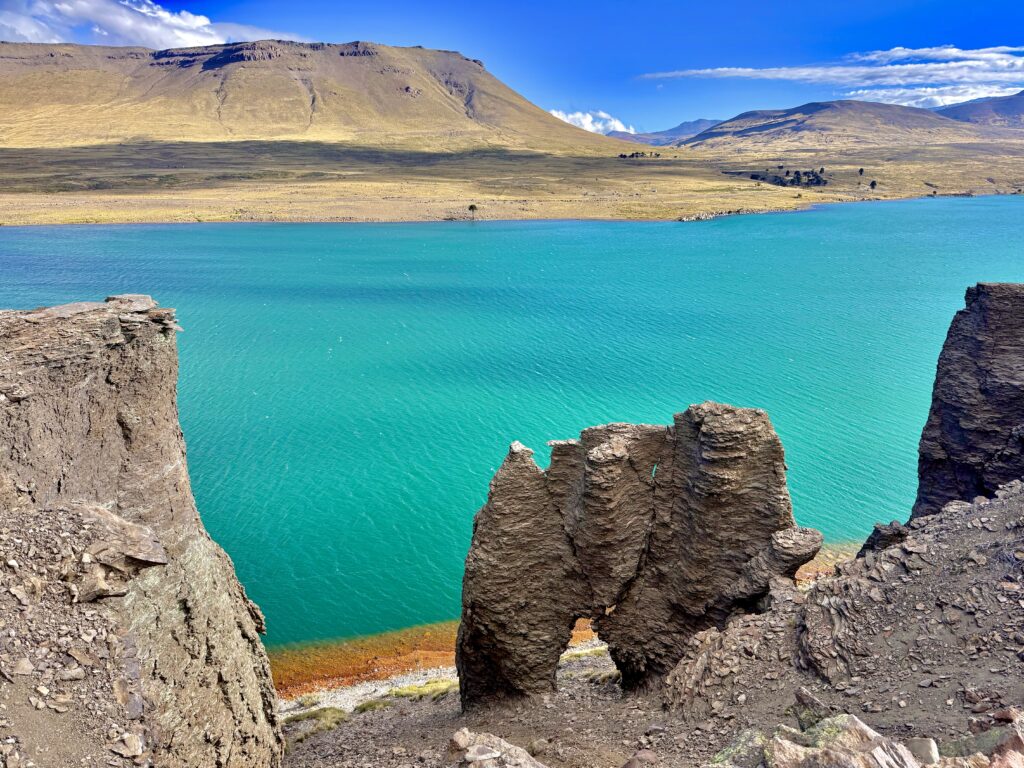
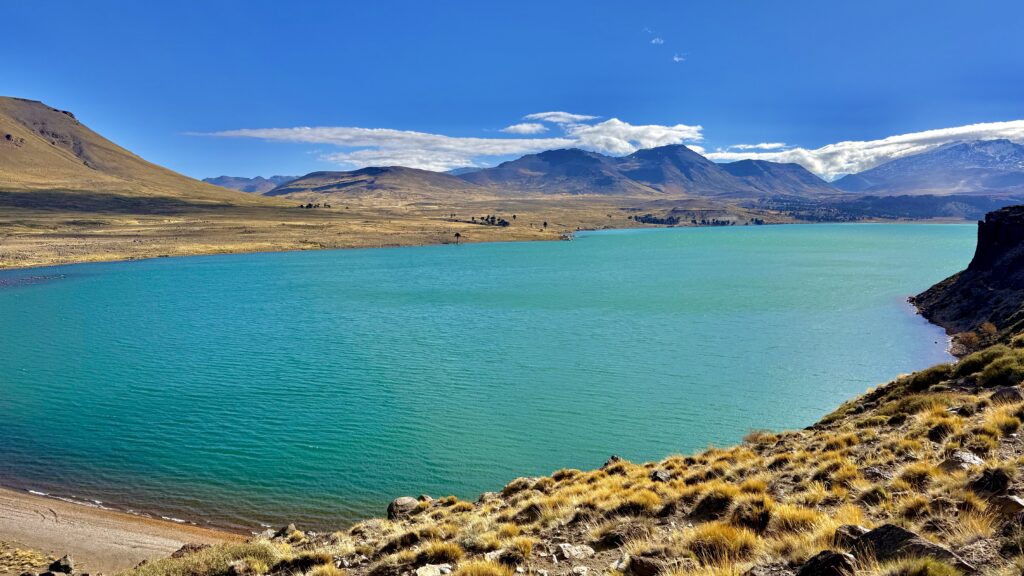
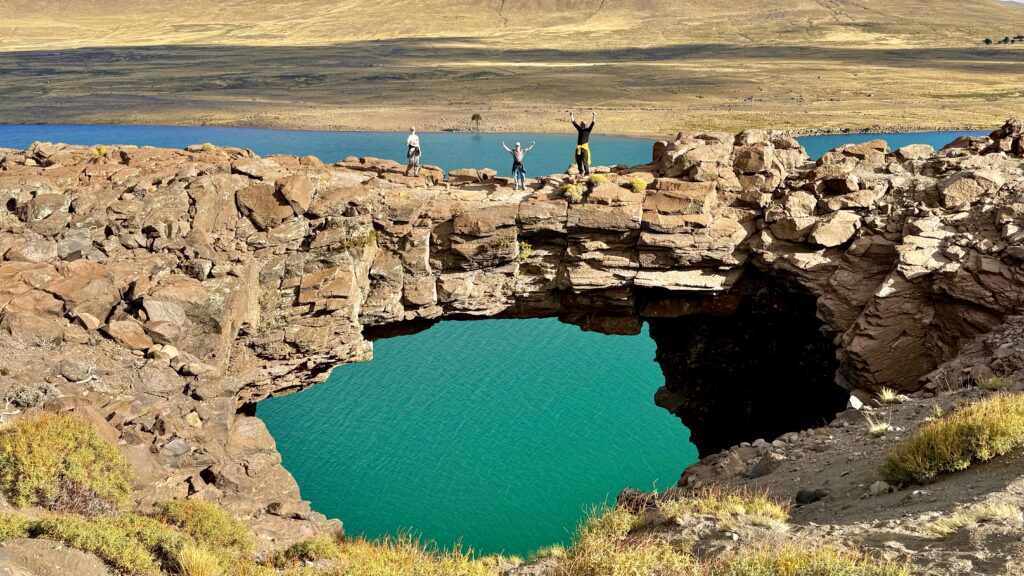
31 March. By the time we reached Lake Caviahue, the light was softening. The lake stretched out in front of us, still and wide, with Copahue Volcano rising behind it—active, last erupting in October 2024. We camped right on the shore. Taking a walk up the hill to check out the natural rock bridge that spans a gap in the volcanic bluff—formed over time as softer rock eroded away.
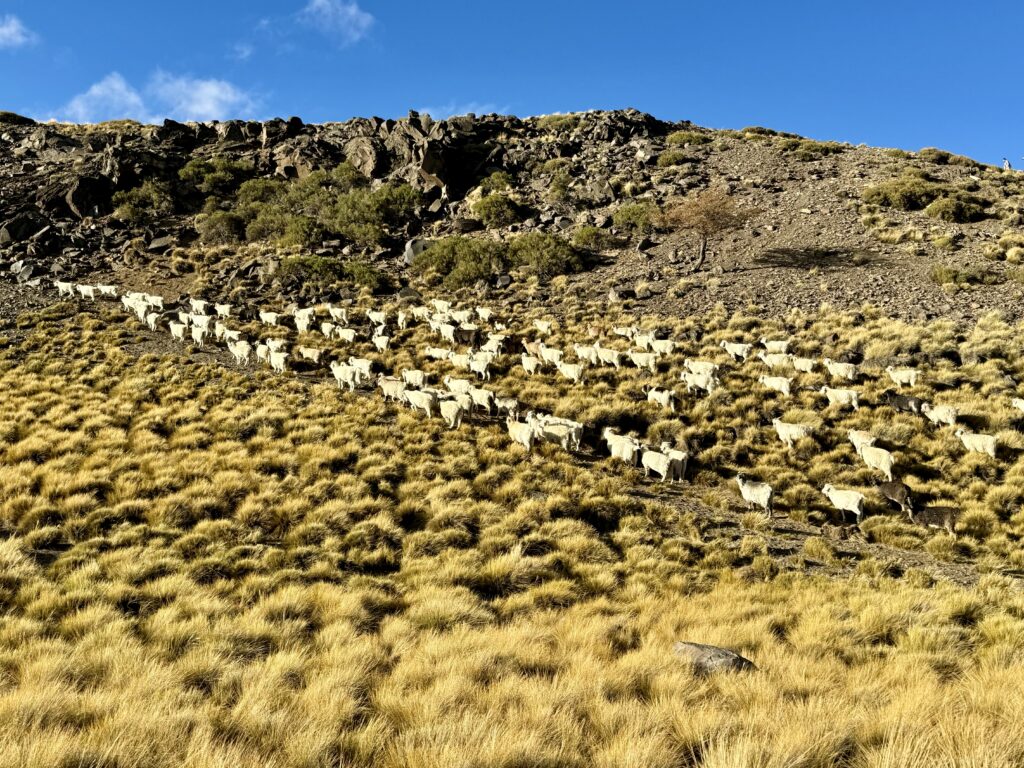
Meeting up once more with we Sara and Huw. We spent the evening together as the temperature dropped, watching the last light disappear off the volcano as the goat heard made their way on their own up to the plateau, as they do each night.
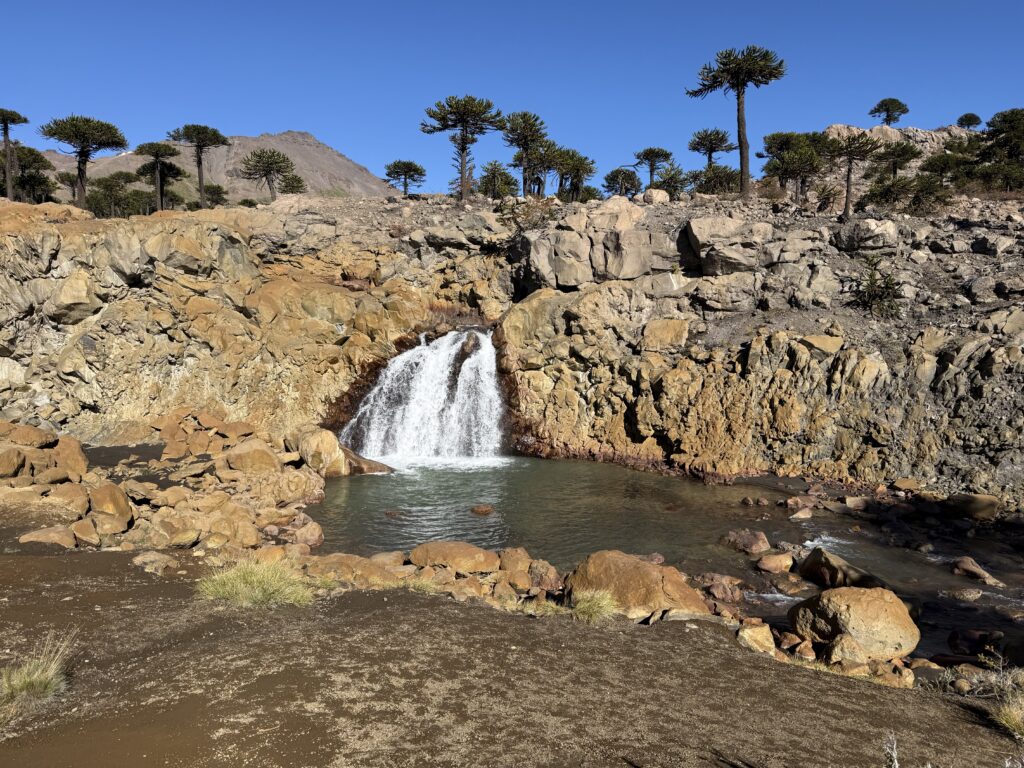
April 2. The next day only got better. Starting out in the morning We followed the trail through a series of waterfalls, basalt columns underfoot, monkey puzzle trees scattered all around—mirroring the same patterns in the rock. It felt like Jurassic Park… just without the dinosaurs.
No people. Completely quiet.
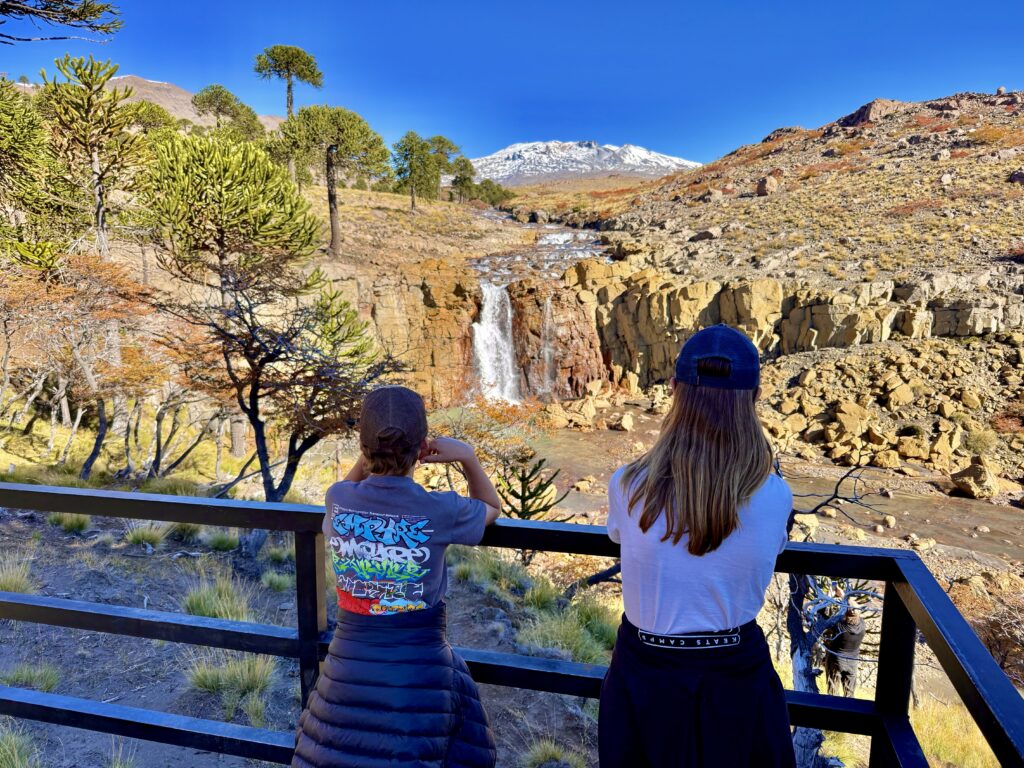
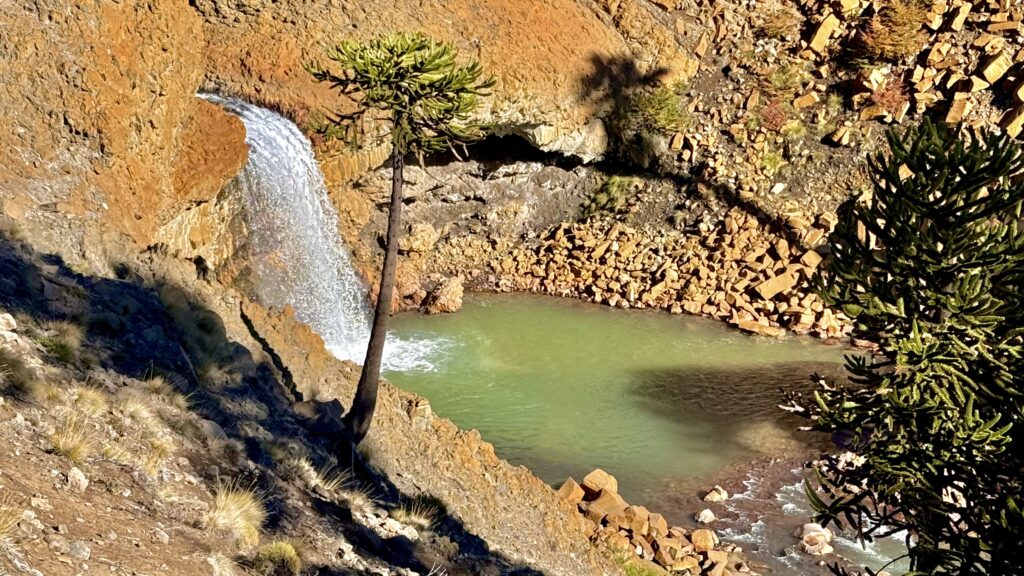
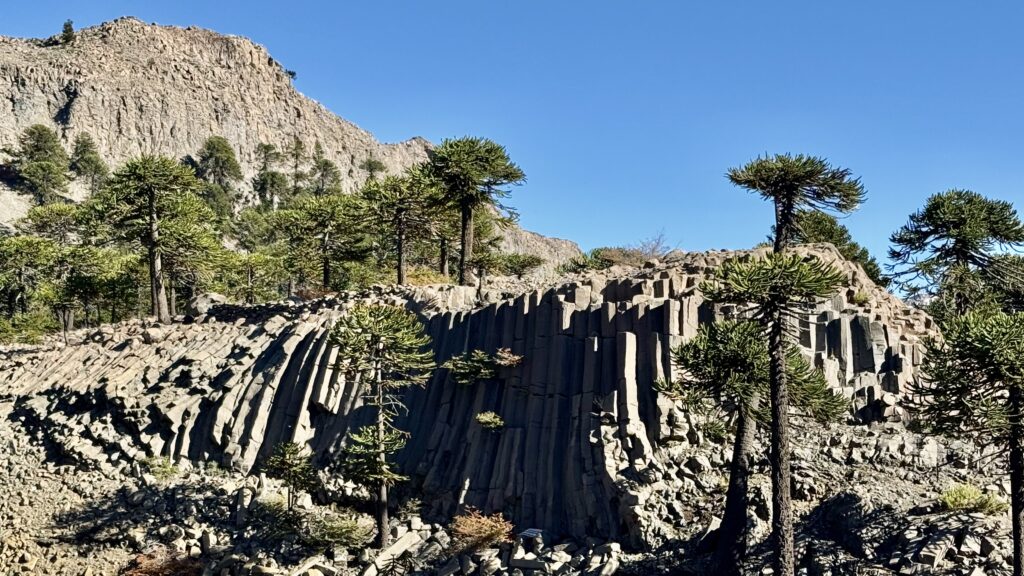
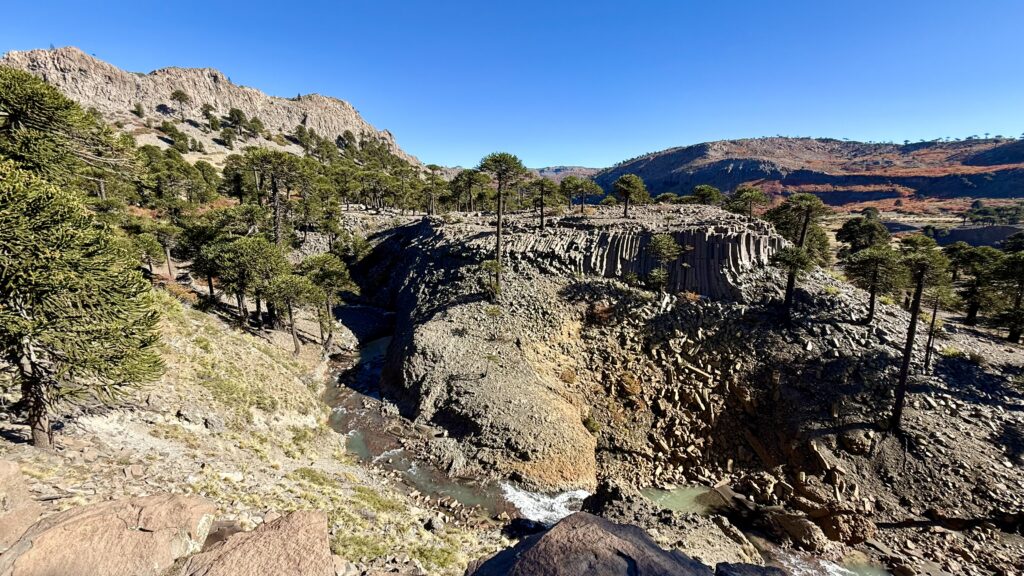
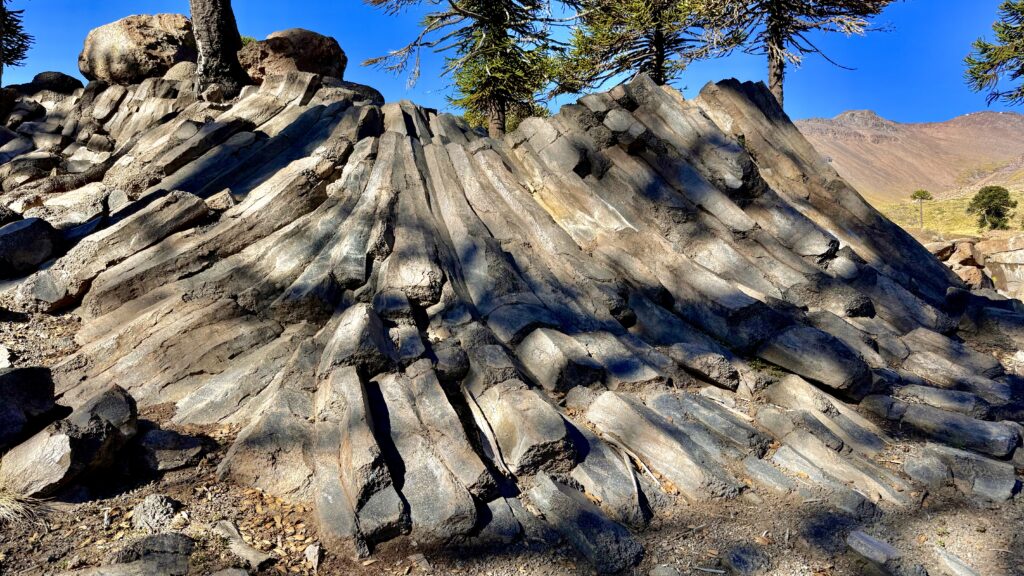
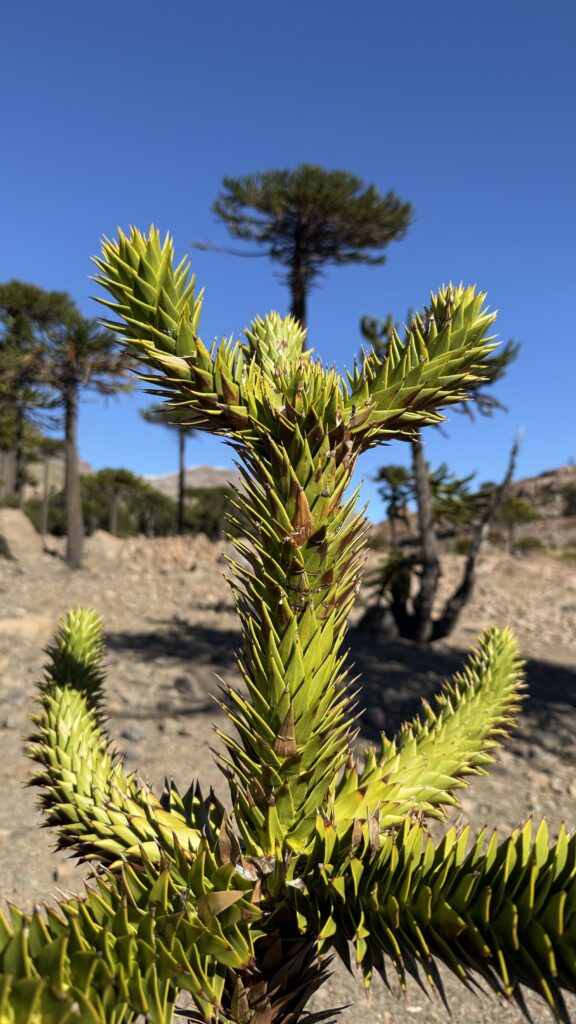
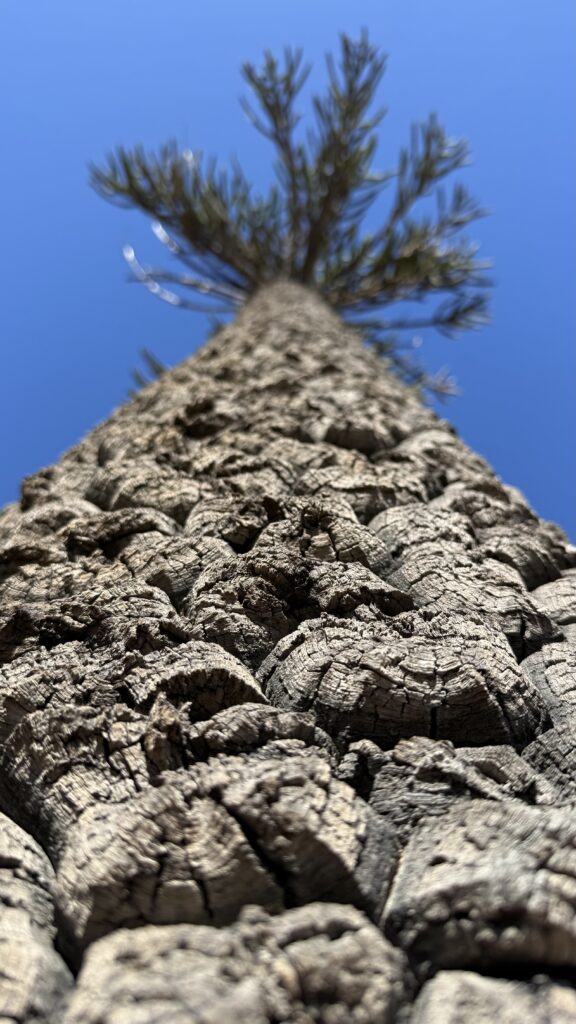
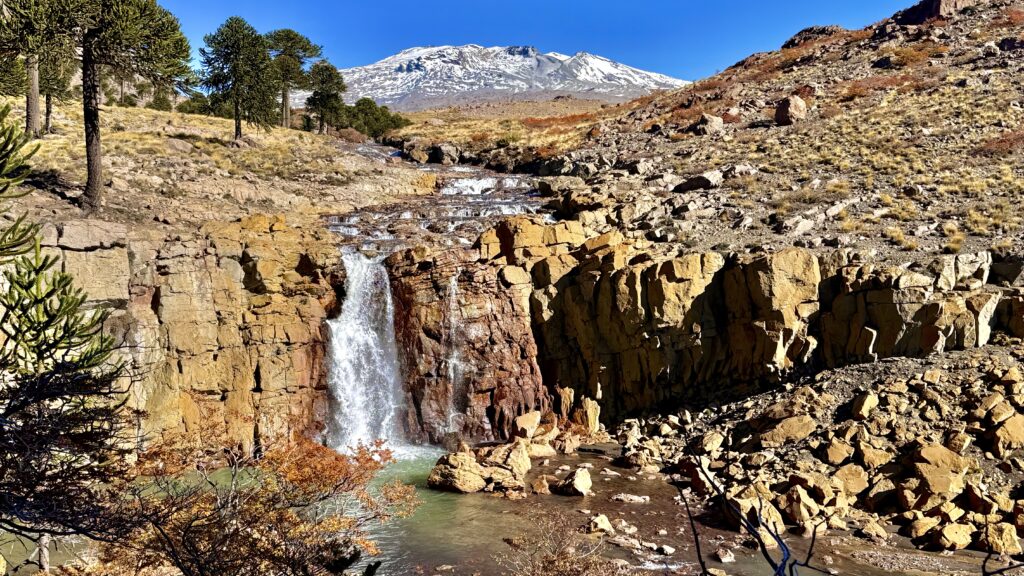
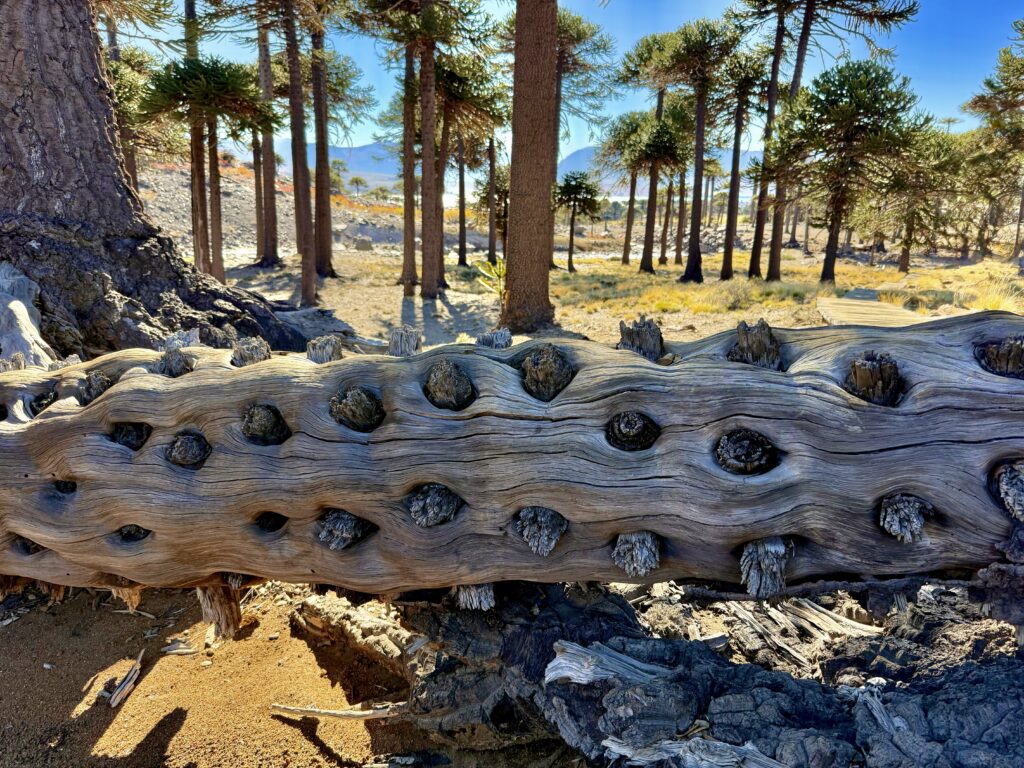
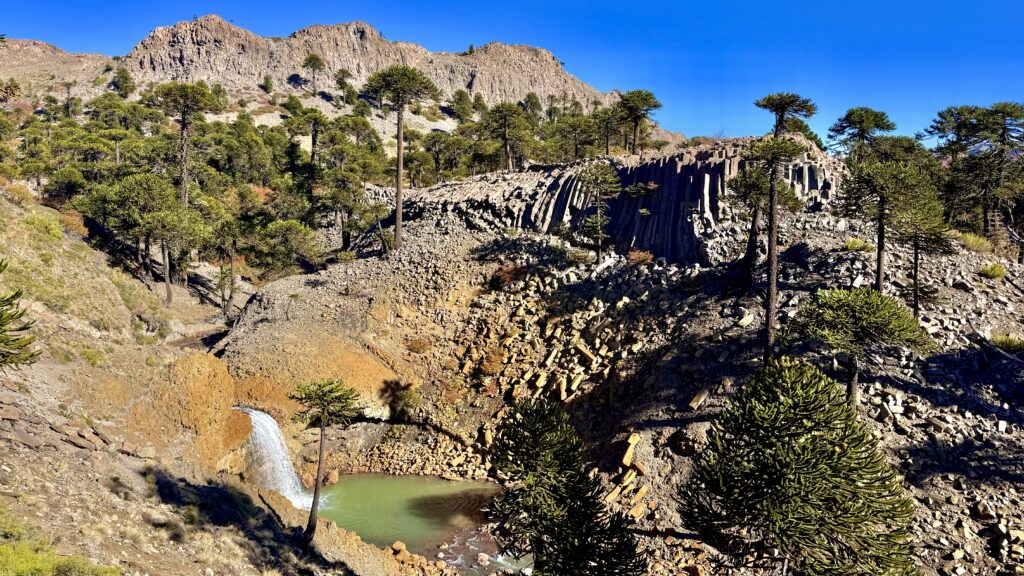
Later, we climbed an hour to a hidden lagoon above town. From there, the lake, the ski slopes, the whole valley opened up below us. The hills now turning deep red as autumn settles in.
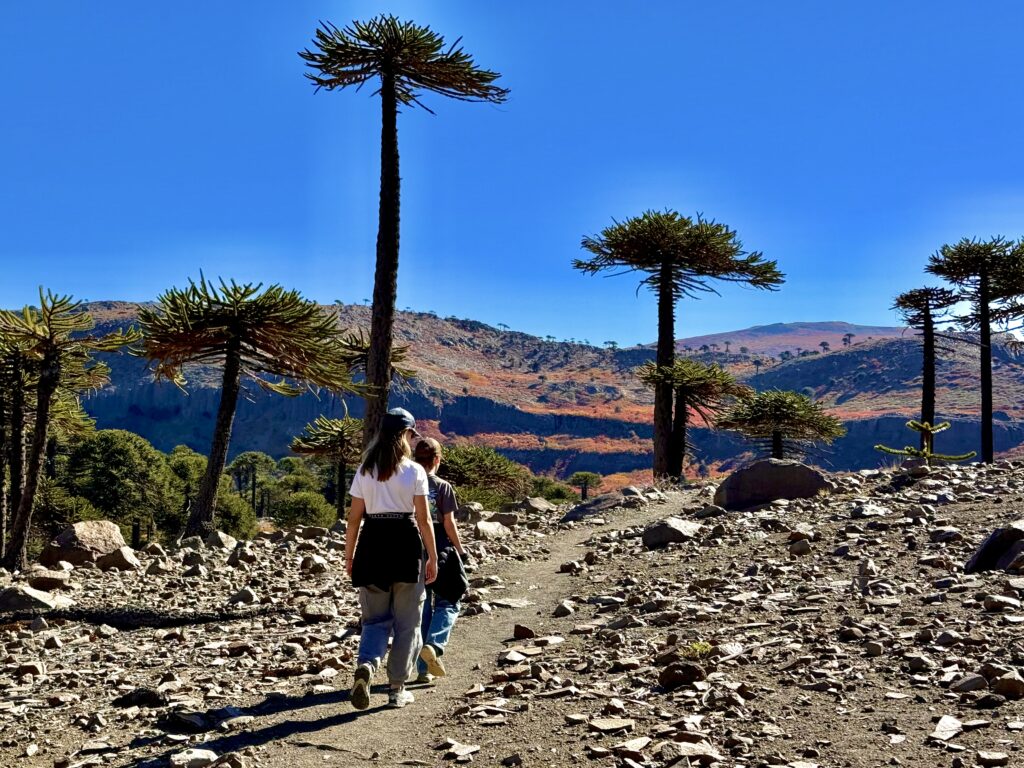
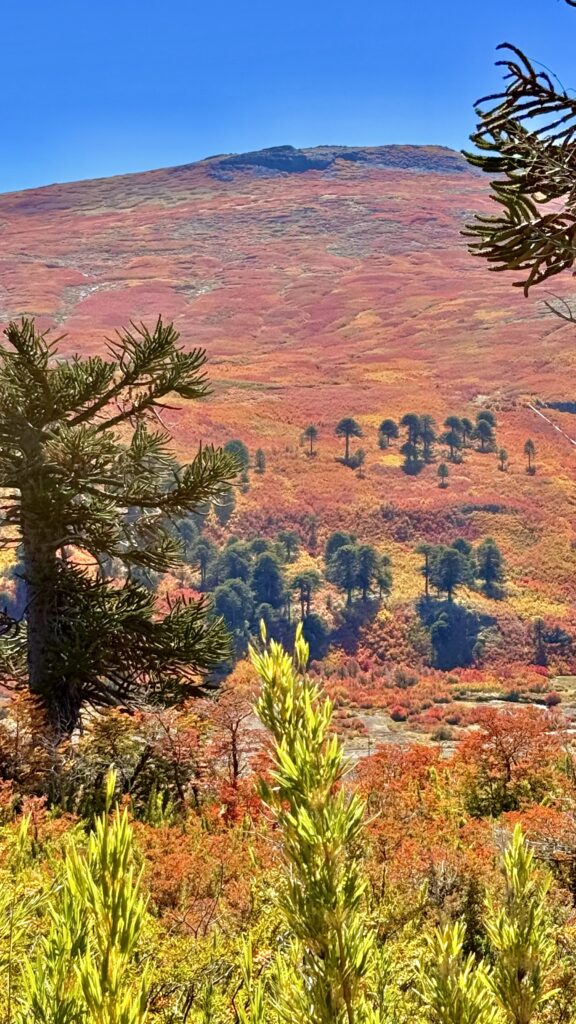
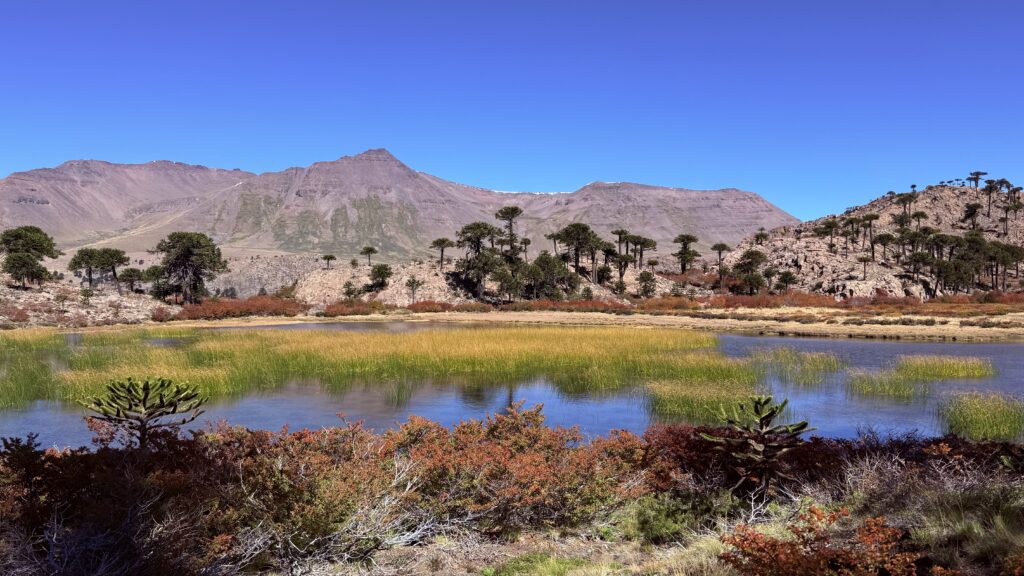
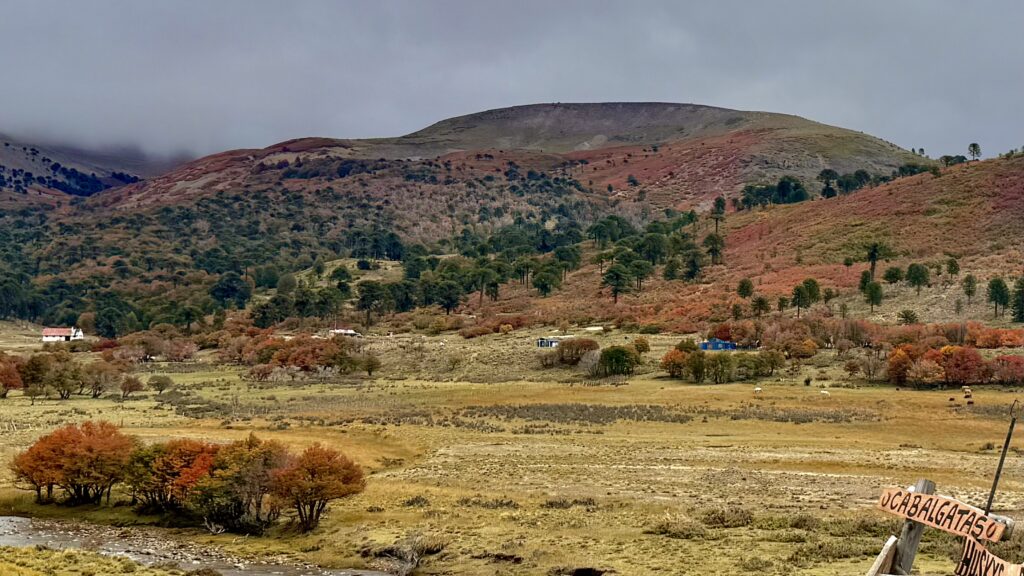
If that wasn’t cool enough, just 15 kilometres down the road… another shift…another world…
A POST APOCALYPTIC WORLD
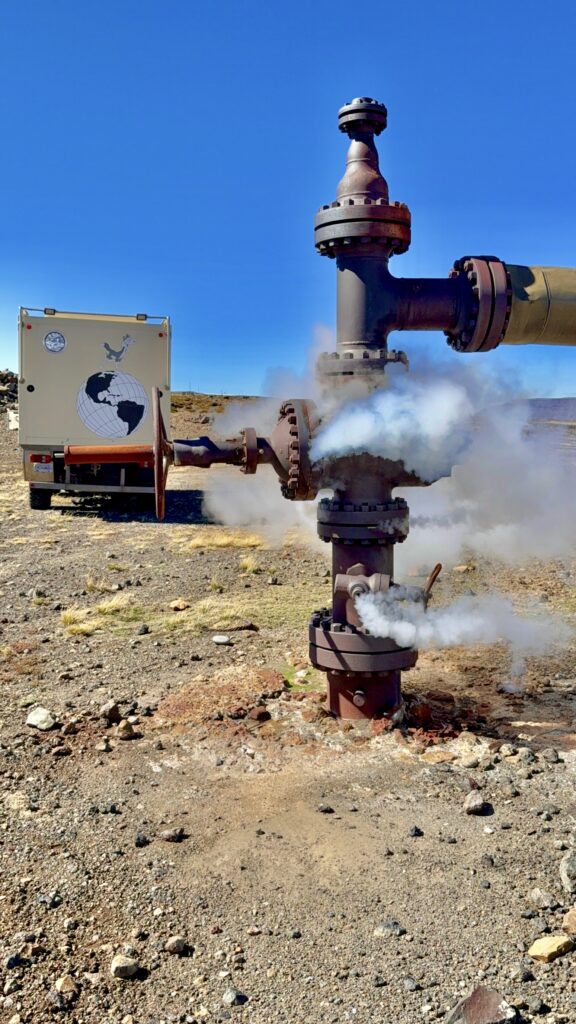
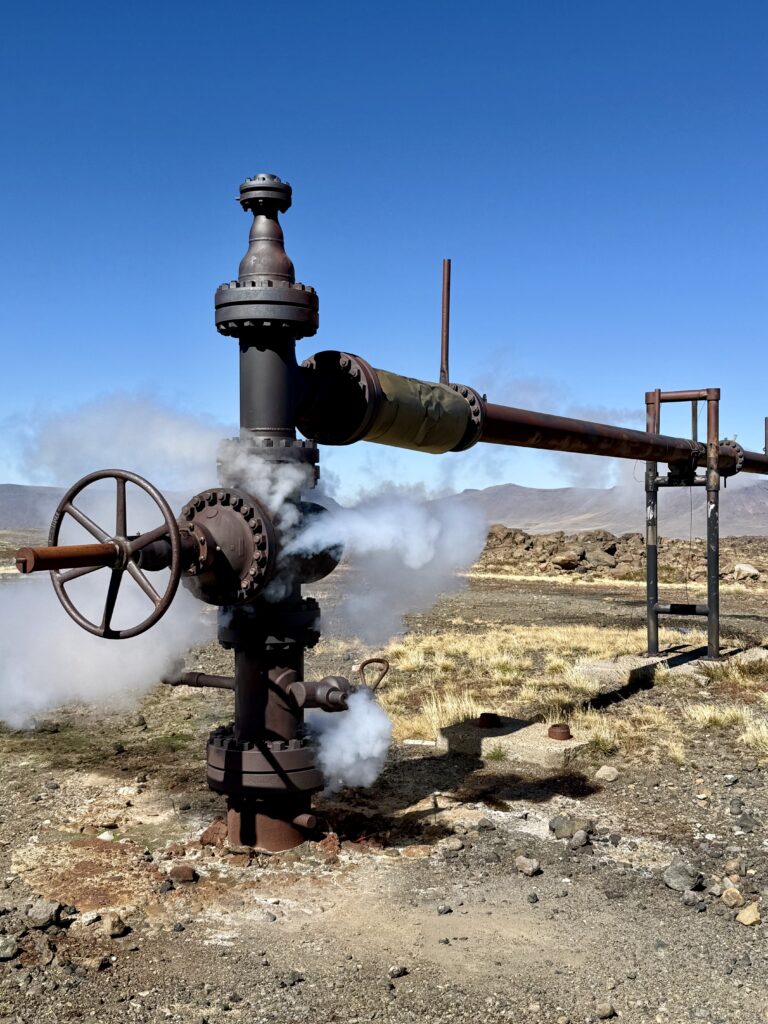
A geothermal field and a pressure cooker. Steam rising from the ground. Mud bubbling. Vents hissing loudly like pressure valves releasing. Right in the middle of it all—what’s left of an old thermal spa. Built in the 1980s to harness the mineral-rich waters heated by Copahue, it was eventually abandoned as volcanic activity and toxic gases made it too dangerous. Now it’s just… falling apart. Being reclaimed. Strange place.
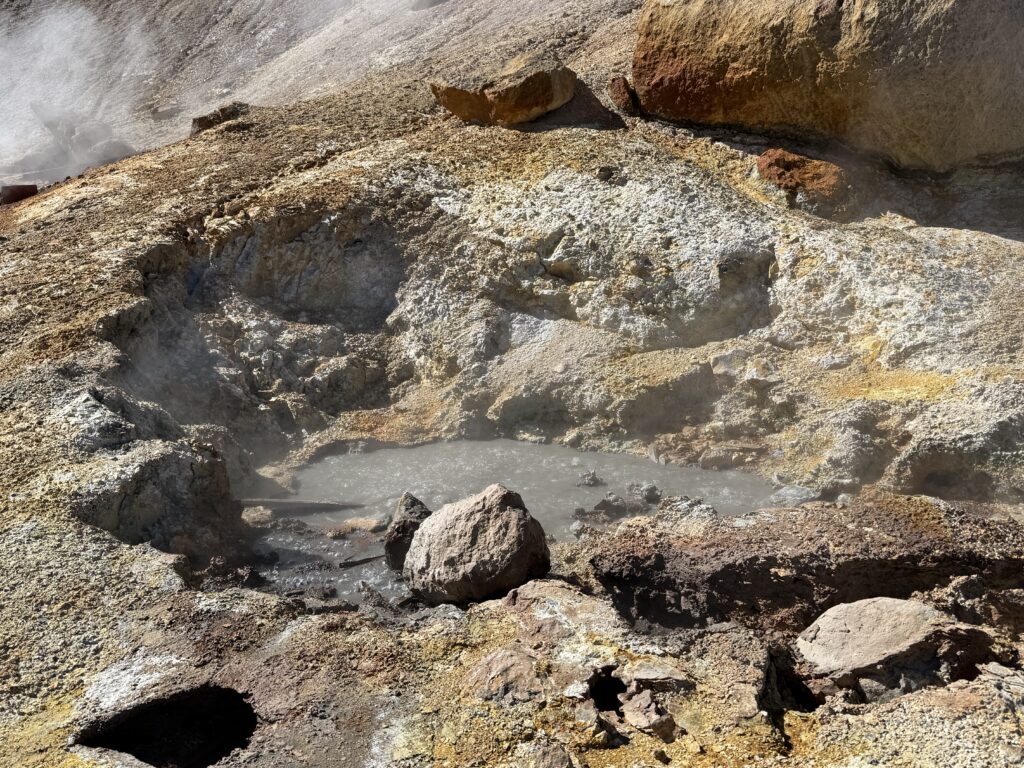
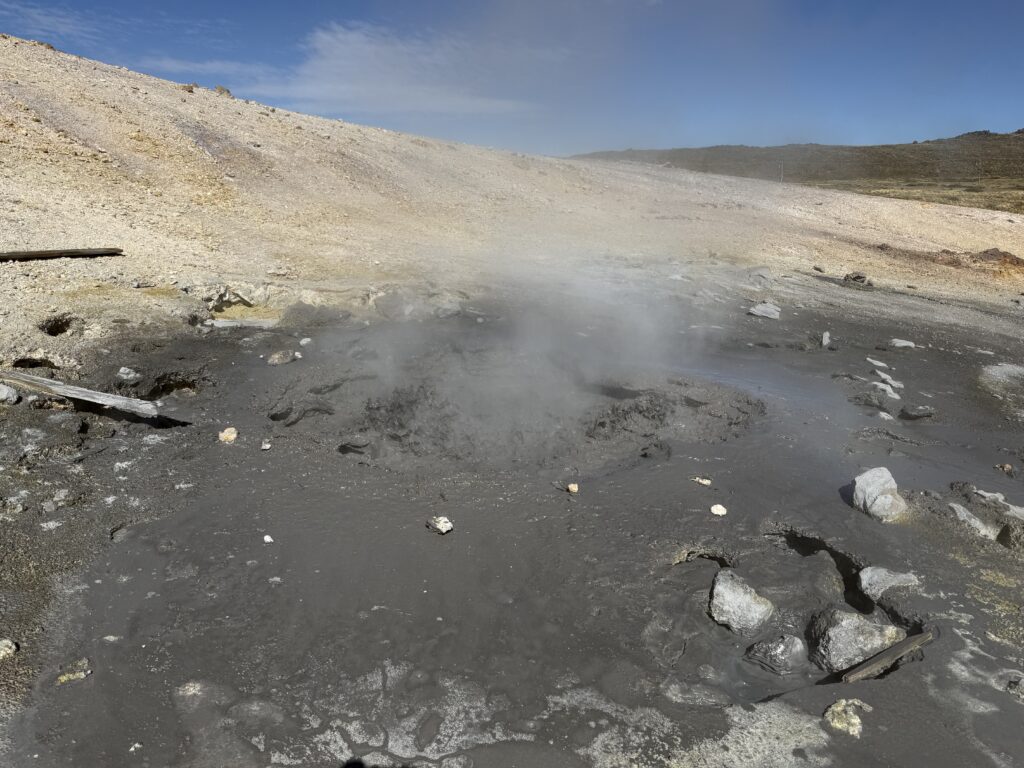
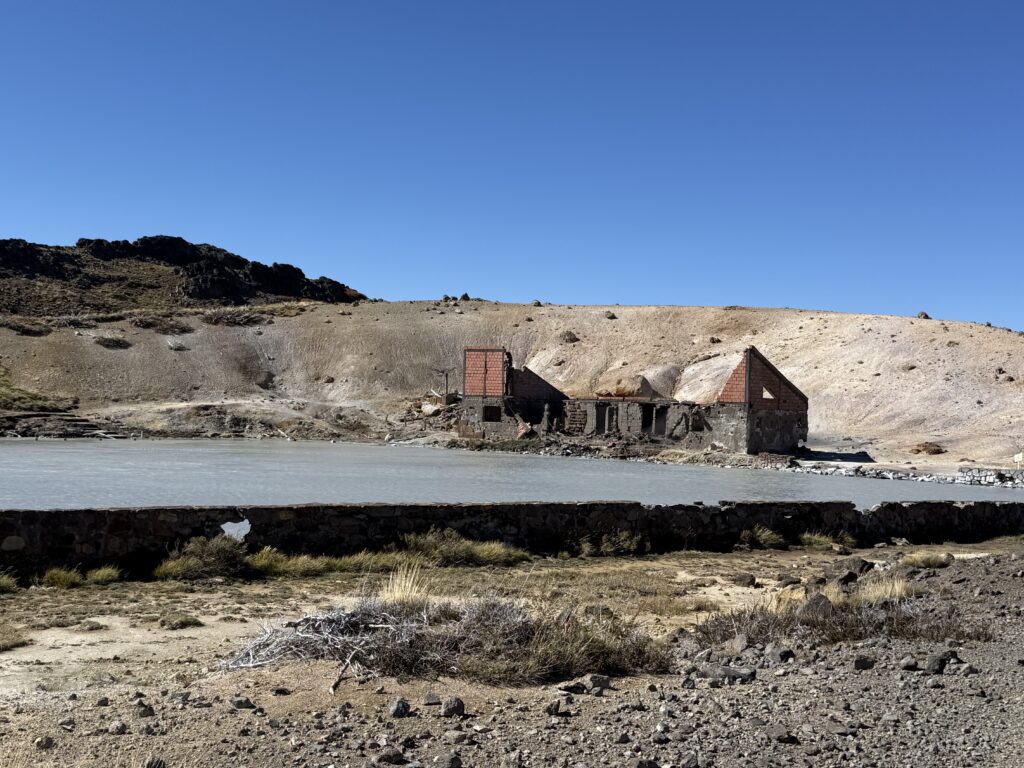
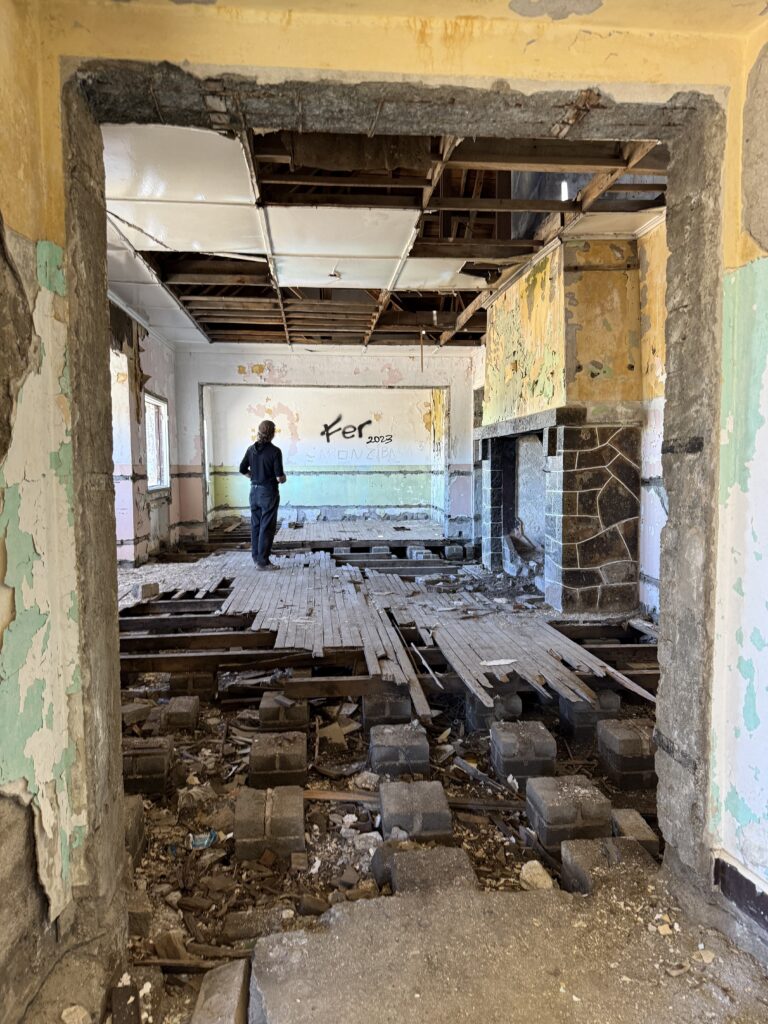
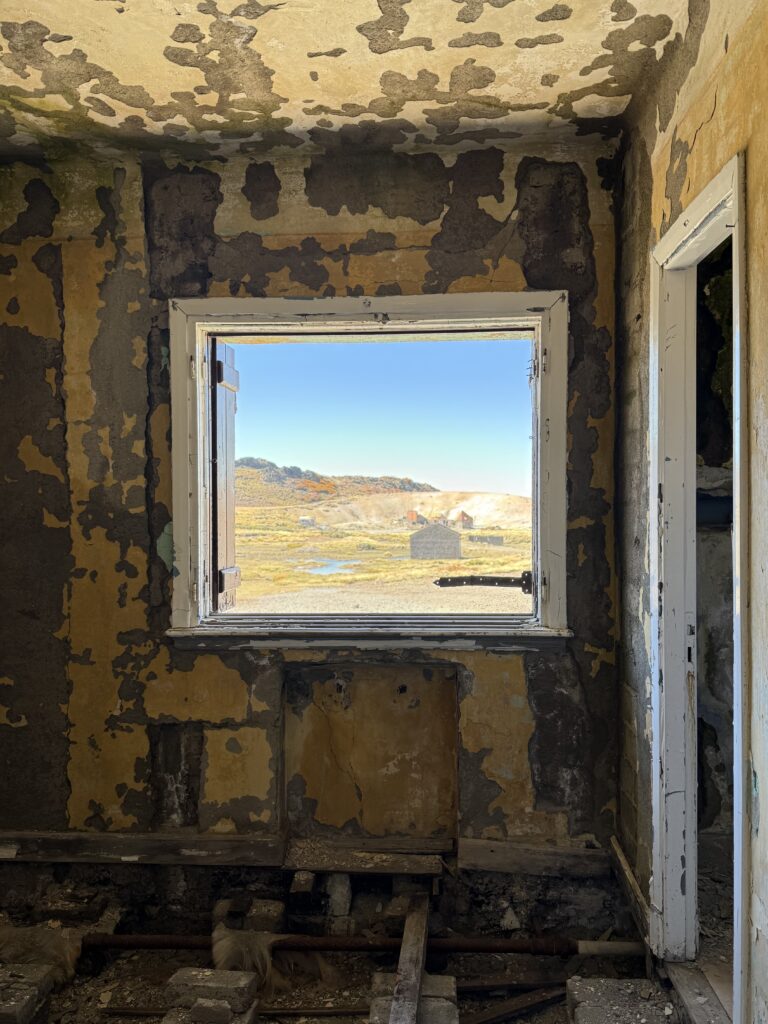
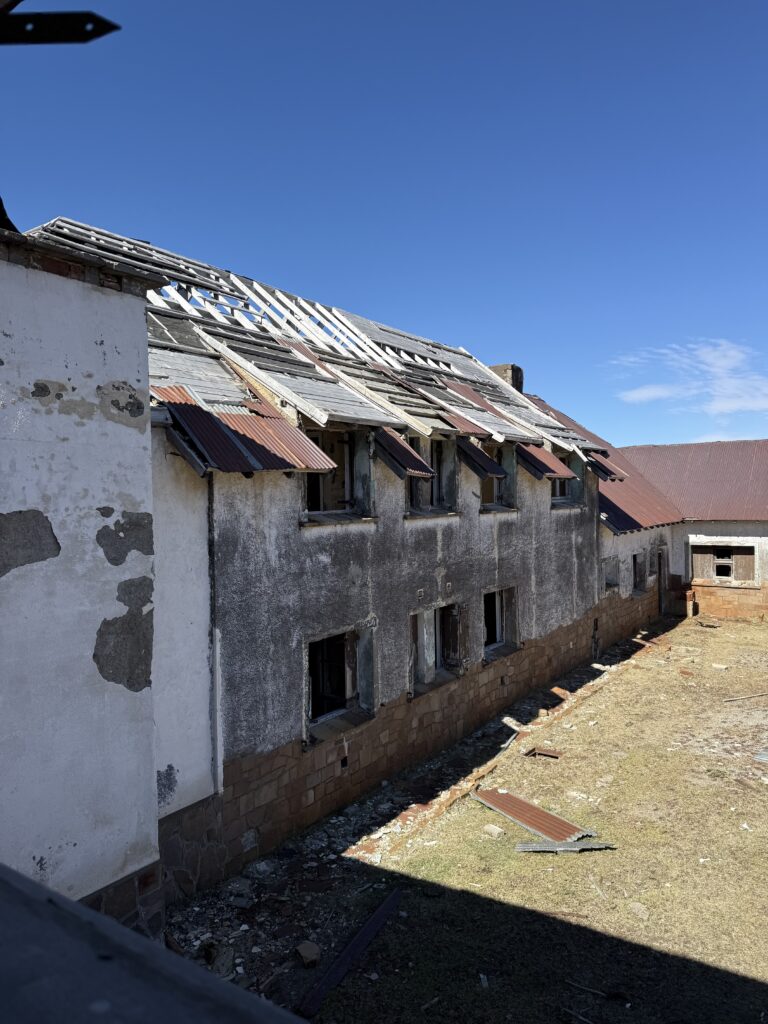
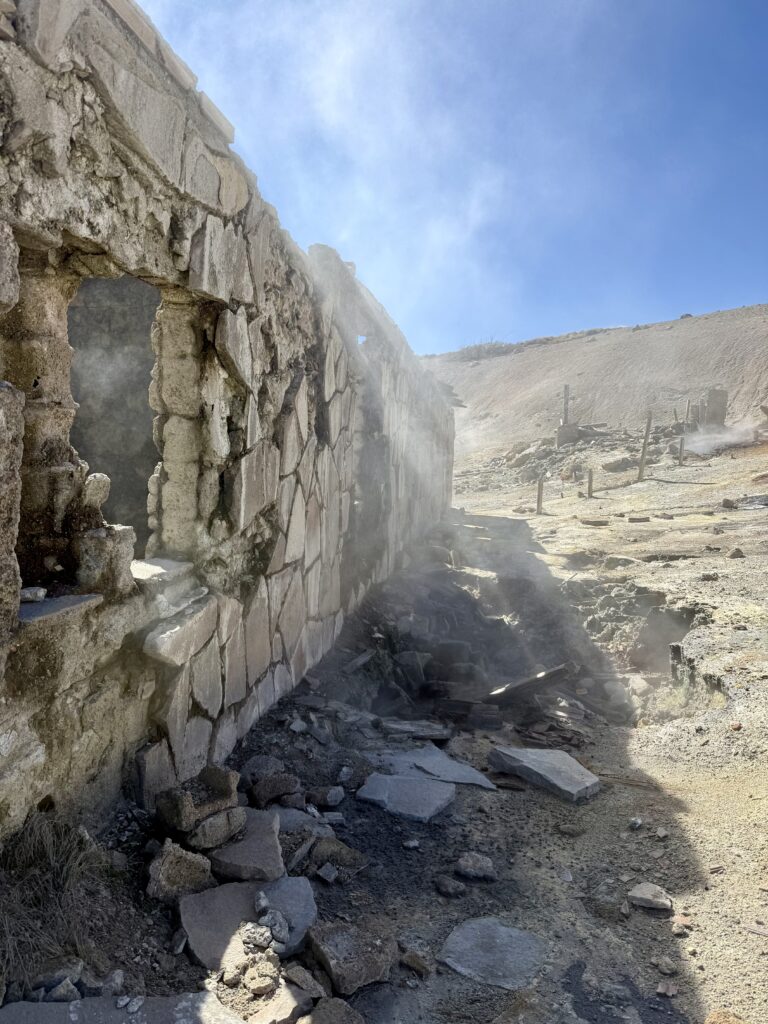
A little further up is the remaining infrastructure of the spa. A steam release valve or outlet —where built-up pressure is vented in a controlled way through the piping. Forced through metal pipes rather than escaping naturally through rock, it comes out much louder… almost industrial. Now that the site’s been abandoned, the system is still partially active—steam continues to push through the old infrastructure, hissing and venting as the volcano keeps doing its thing beneath the surface.
SALTO DEL AGRIO
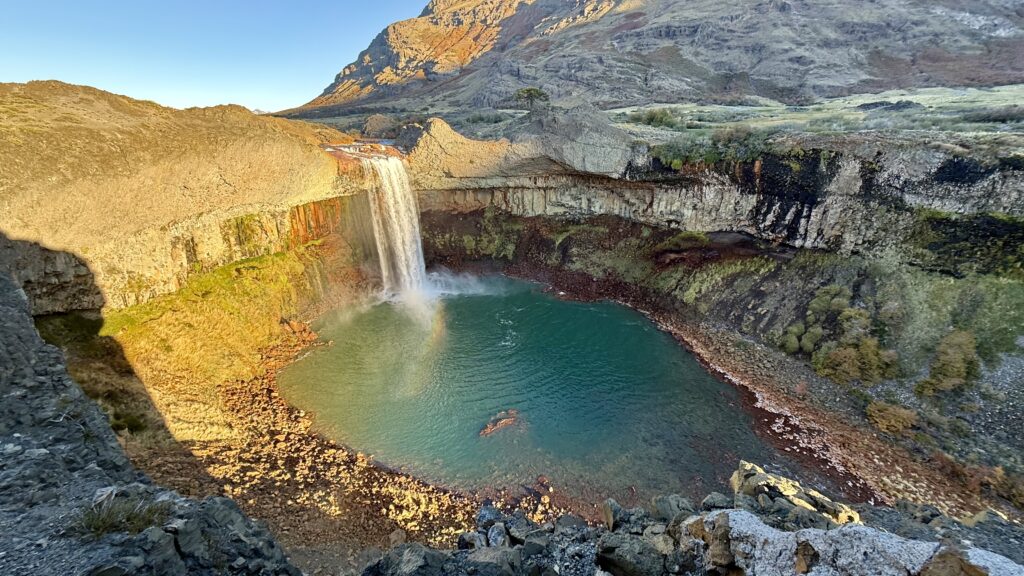
What a day, and to top it all off we drove to Salto del Agrio, where the ground just… disappears. One look and you’re on open land, the next you’re staring into a deep volcanic canyon.
The rock is wild—burnt orange, deep red, almost too intense to be real. The waterfall plunges into the centre, feeding a pool of milky turquoise below. Minerals from the surrounding volcanic terrain colour everything.
It doesn’t look natural. But it is. Here we camped the night, having had a wonderful day exploring and slept like babies.
3 April. After enjoying the waterfall all to ourselves in the cool morning light we continued on down the road. Wide open landscapes, scattered rock formations, small, quiet communities that feel a long way from anywhere.
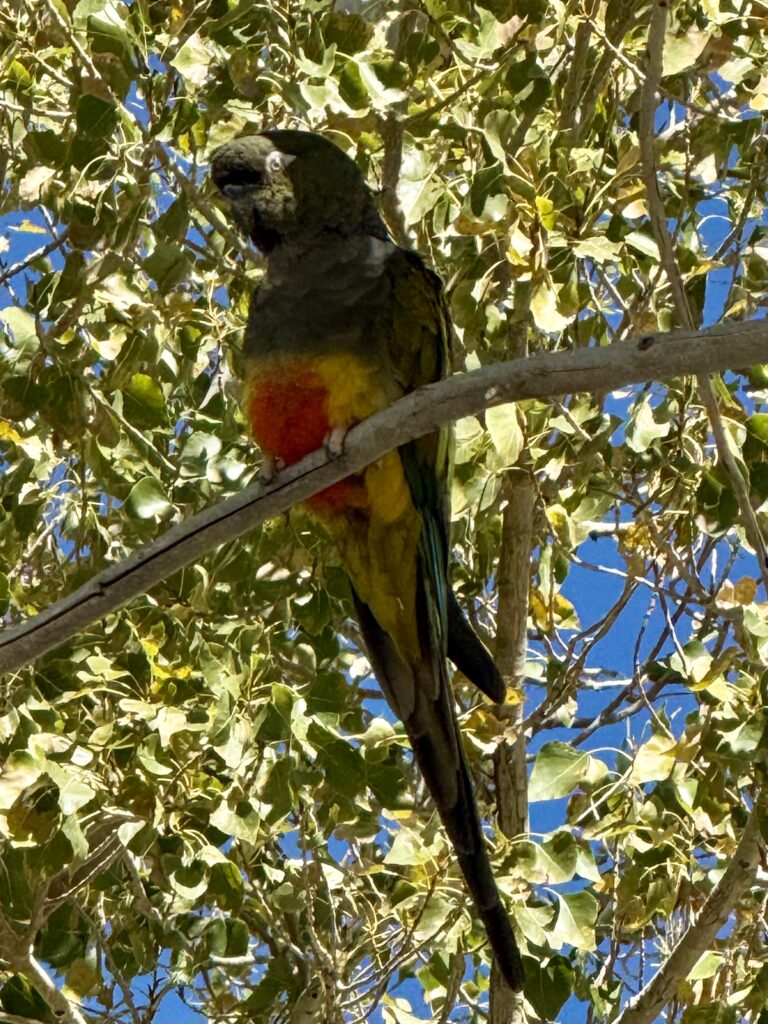
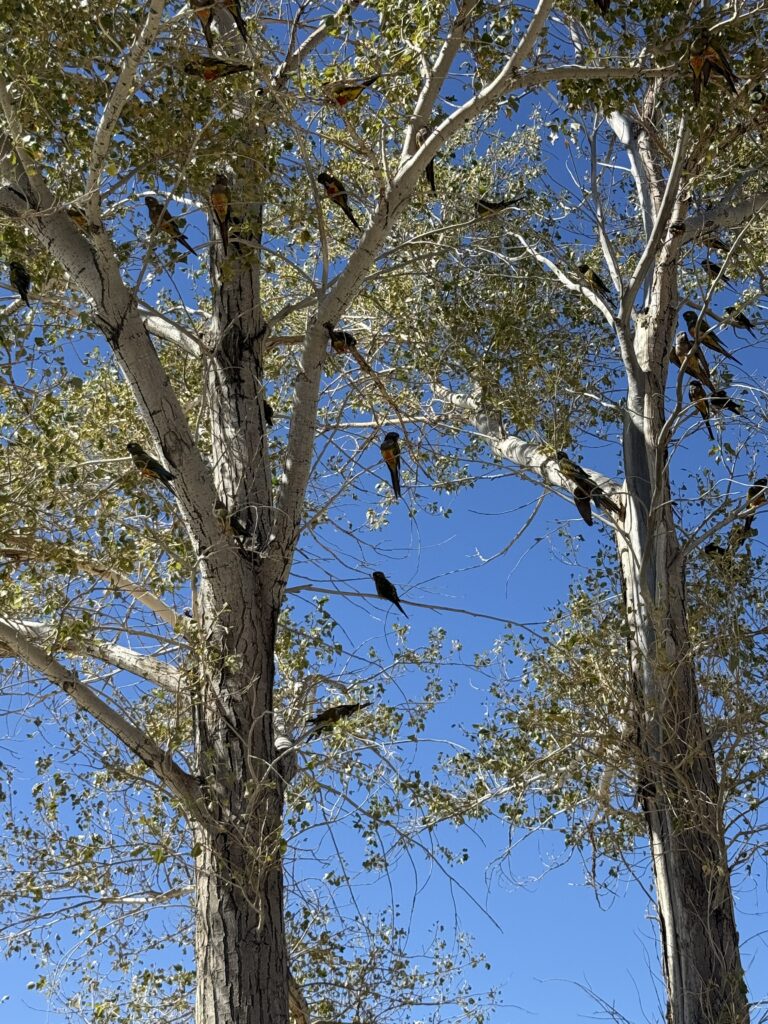
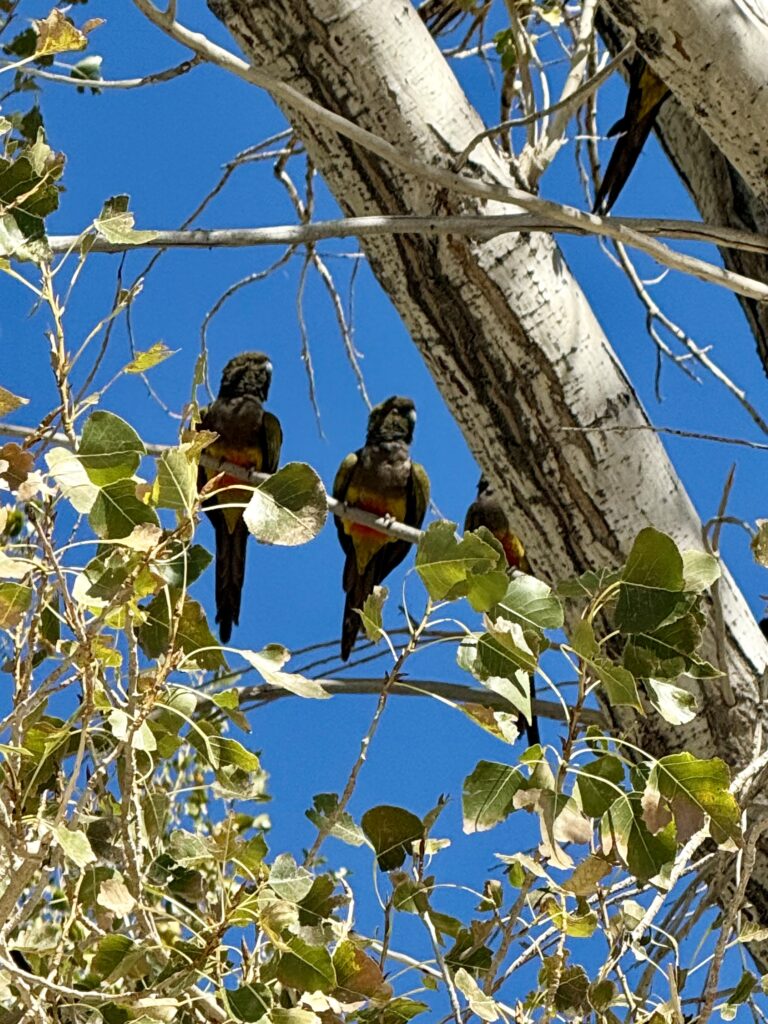
We passing through Taquimilán er pulled into their municipal campground, one of the nicest we’ve stayed at in Argentina. Clean, simple, hot showers, trees alive with Burrowing Parakeet chatter overhead.
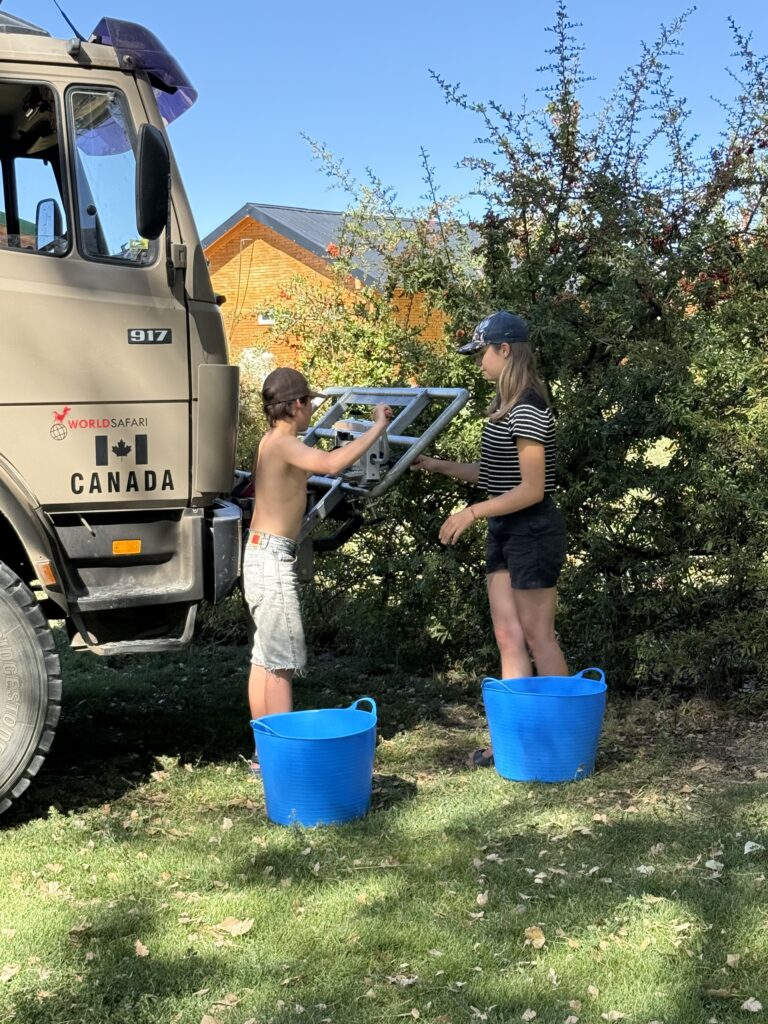
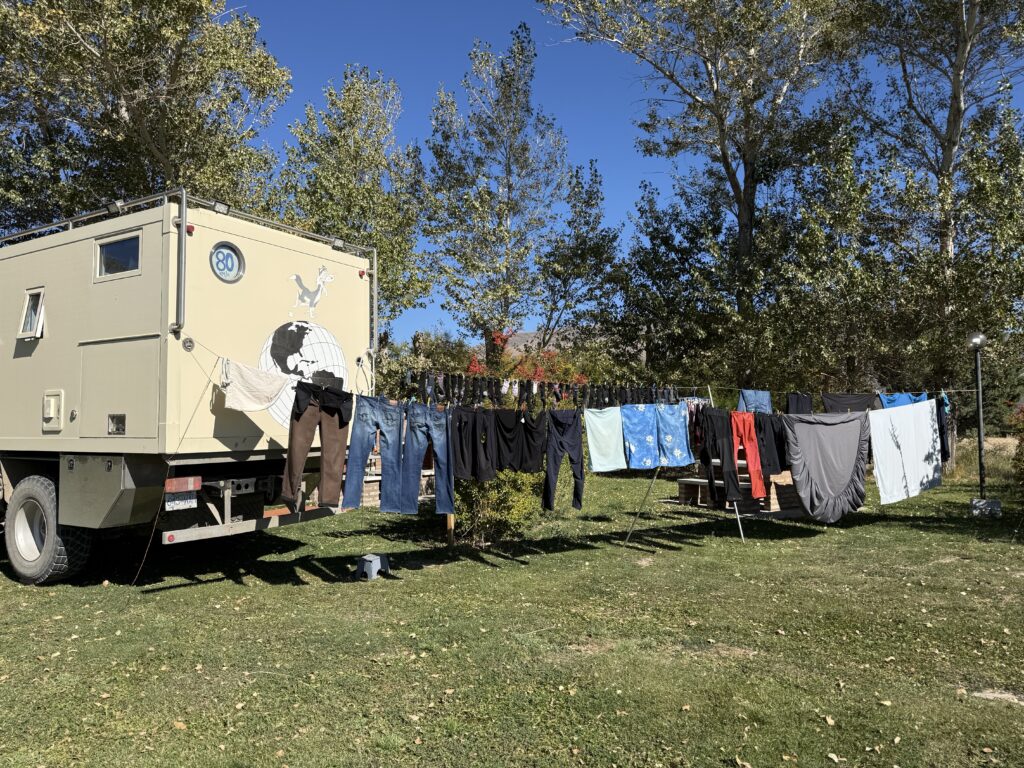
It was time to tackle the mountain of laundry that was overflowing. The kids got to work—washing their own clothes. Life skills continues, how hard they work equals how clean their clothes are. Strung out in the warm afternoon sun and breeze theirs was done. Tim & I did another couple of bucket loads the next morning, drying fast. Packed up and rolling by 2pm we made our way to the border once more.
2 Responses
Great pics and experiences. Bariloche certainly living up to its reputation. You can almost cut the atmosphere with a knife. Well done Charley for blowing the alarm on attempted robbers, not an easy situation to be in.
Did 3 car rallies in Porches I rented–my first navigator was a New York broker from Argentina named Maxima Zorregeta –she met a chap a couple of years later
who was the Prince of Denmark
and now she is the Queen of Denmark–they visited us in Whistler with their 3 daughters during our olympics–I visited them
at the palace in Denmark–The royal family is very wealthy with major positions in Royal Dutch Shell and KLM airlines.
They had security on our street in Emerald–their rental house was near the railway which would wake the Prince up at night–not happy.–small world. Oh Alpine cafe is having a Chilean meal from 4 to 6 tomorrow for Chilean kids in Whistler–I hope to make it there. Lennox